THE ADVENTURE COLLECTIVE® · Independent discovery and booking for outdoor travel

Spend six days moving from Tarangire’s baobab-dotted floodplains to the Serengeti’s wide-open migration routes, finishing in the dramatic bowl of Ngorongoro Crater. This midrange private safari combines morning and sunset game drives, lodge stays, and a cultural stop at Materuni.
Spend six days moving from Tarangire’s baobab-dotted floodplains to the Serengeti’s wide-open migration routes, finishing in the dramatic bowl of Ngorongoro Crater. This midrange private safari combines morning and sunset game drives, lodge stays, and a cultural stop at Materuni.
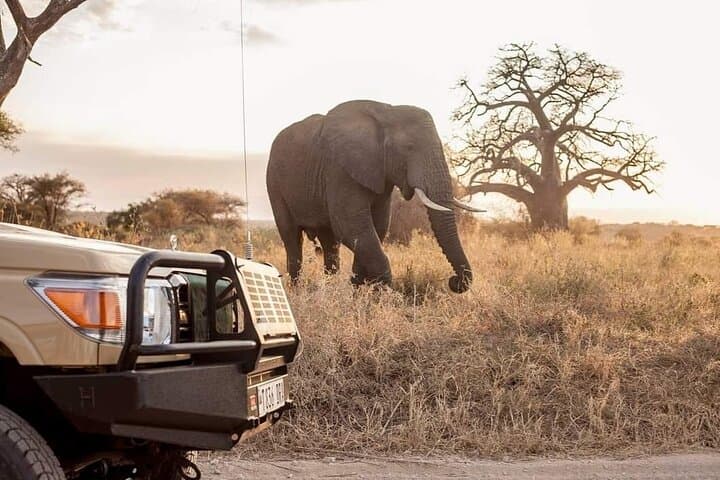
Morning mist lifts off the savanna as a diesel hum and the pop-up roof of a 4x4 becomes the day’s best vantage point. Travelers begin in Arusha and, within hours, pass baobabs and acacia-studded floodplains, ears tuned for the bark of a distant elephant or the whisper of wildebeest hooves.
Verified experiences and guided adventures in the surrounding area.
Operated by African polecat safaris · Arusha, Arusha Region
Morning mist lifts off the savanna as a diesel hum and the pop-up roof of a 4x4 becomes the day’s best vantage point. Travelers begin in Arusha and, within hours, pass baobabs and acacia-studded floodplains, ears tuned for the bark of a distant elephant or the whisper of wildebeest hooves.
This six-day route threads three of Tanzania’s signature places: Tarangire’s elephant-rich ridges, the endless plains of the Serengeti where migration funnels life into tight dramas, and the sunken amphitheater of Ngorongoro Crater—600–650 meters deep, an ecological island with dense concentrations of wildlife. Geologically, these landscapes tell different stories: volcanic uplifts around Ngorongoro, old riverine terraces in Tarangire, and the Serengeti’s ancient, rolling plains that channel seasonal herds. Culturally, Maasai bomas and Materuni’s coffee farms offer direct contact with local livelihoods—coffee roasting, simple homestead practices and stories that frame conservation choices.
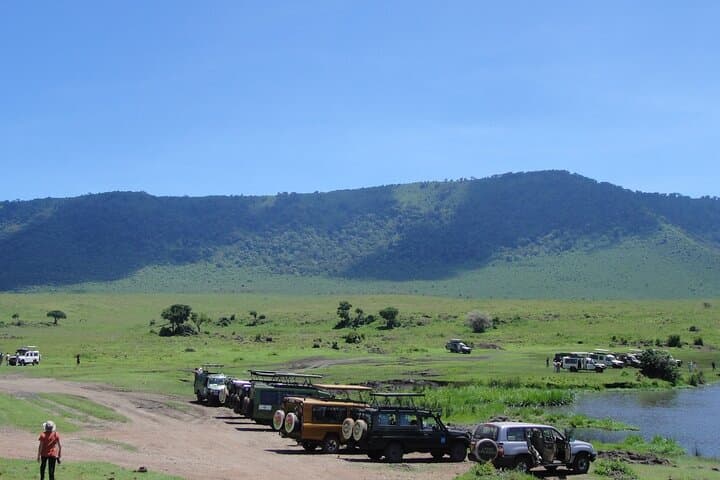
Practically, expect daily game drives of 6–8 hours with picnic lunches at designated sites, lodge nights in midrange accommodations, and one walking segment at Materuni Waterfalls. Vehicles are air-conditioned 4x4s with pop-up roofs and charging ports; guides are professional trackers who balance patient observation with movement to maximize sightings.
Pack for long daylight hours, variable morning chills and dusty roads. Hydrate, use layered clothing, respect wildlife distances and follow guide instructions. This itinerary is best for travelers wanting a focused, comfortable wildlife immersion without rigid luxury—bringing patience, a good pair of binoculars and curiosity will reward every early-morning horizon.
moderate.
6 days (daily 6–8 hour game drives).
Suitable for travelers in average physical condition: mostly vehicle-based but includes short hikes and standing during game drives.
Yes—park fees for the national parks on the itinerary are included in the package price.
Expect multi-hour transfers: about 2–4 hours to Tarangire and longer transits (4–6+ hours) between Serengeti and Ngorongoro depending on gate locations and road conditions.
The tour is family-friendly and accessible but not recommended for people with severe spinal or heart problems; long days in vehicles and crater descents may be taxing for some.
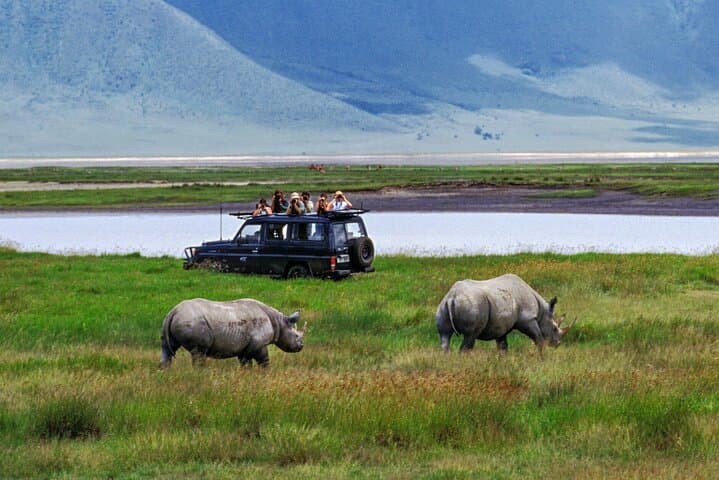
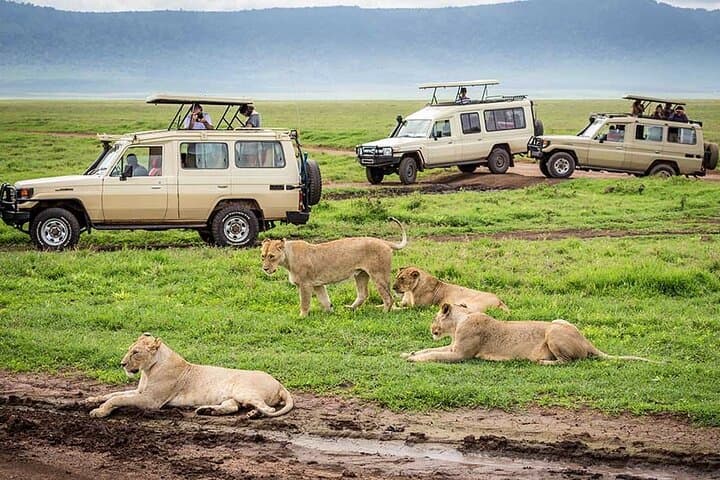
You can expect elephants, large herds of wildebeest and zebra, giraffes, hyenas and good chances for lions and cheetahs; black rhino sightings in Ngorongoro are possible but never guaranteed.
The Ngorongoro area sits on ancient volcanic formations and has supported human and megafauna populations for millennia, with Olduvai Gorge nearby key to paleoanthropology.
Wildlife conservation here balances protected-area tourism revenue with Maasai pastoral practices; visitors are encouraged to minimize waste and support community-run experiences.
African polecat safaris operates guided outdoor trips and adventures with an emphasis on safety, stewardship, and memorable experiences.
Morning mist lifts off the savanna as a diesel hum and the pop-up roof of a 4x4 becomes the day’s best vantage point. Travelers begin in Arusha and, within hours, pass baobabs and acacia-studded floodplains, ears tuned for the bark of a distant elephant or the whisper of wildebeest hooves.
Morning mist lifts off the savanna as a diesel hum and the pop-up roof of a 4x4 becomes the day’s best vantage point. Travelers begin in Arusha and, within hours, pass baobabs and acacia-studded floodplains, ears tuned for the bark of a distant elephant or the whisper of wildebeest hooves.
This six-day route threads three of Tanzania’s signature places: Tarangire’s elephant-rich ridges, the endless plains of the Serengeti where migration funnels life into tight dramas, and the sunken amphitheater of Ngorongoro Crater—600–650 meters deep, an ecological island with dense concentrations of wildlife. Geologically, these landscapes tell different stories: volcanic uplifts around Ngorongoro, old riverine terraces in Tarangire, and the Serengeti’s ancient, rolling plains that channel seasonal herds. Culturally, Maasai bomas and Materuni’s coffee farms offer direct contact with local livelihoods—coffee roasting, simple homestead practices and stories that frame conservation choices.
Practically, expect daily game drives of 6–8 hours with picnic lunches at designated sites, lodge nights in midrange accommodations, and one walking segment at Materuni Waterfalls. Vehicles are air-conditioned 4x4s with pop-up roofs and charging ports; guides are professional trackers who balance patient observation with movement to maximize sightings.
Pack for long daylight hours, variable morning chills and dusty roads. Hydrate, use layered clothing, respect wildlife distances and follow guide instructions. This itinerary is best for travelers wanting a focused, comfortable wildlife immersion without rigid luxury—bringing patience, a good pair of binoculars and curiosity will reward every early-morning horizon.