THE ADVENTURE COLLECTIVE® · Independent discovery and booking for outdoor travel

Move from rainforest to high alpine desert on the famed Machame Route: a private, six-day climb that balances acclimatization and challenge to reach Uhuru Peak. Expect muddy forest steps, wind-scoured plateaus and a demanding pre-dawn summit push.
Move from rainforest to high alpine desert on the famed Machame Route: a private, six-day climb that balances acclimatization and challenge to reach Uhuru Peak. Expect muddy forest steps, wind-scoured plateaus and a demanding pre-dawn summit push.
A cool, thin air greets you at the park gate as headlamps bob like slow-fireflies through the rainforest. Porters sort tents, guides check permits, and the trail slips into moss-dark trunks that seem to breathe. The Machame Route pushes upward from wet forest into moorland and then the exposed Shira Plateau, each ecological band nudging you higher and colder until the summit’s glare opens above the crater rim.
Verified experiences and guided adventures in the surrounding area.
Operated by Inno Africa safaris · Moshi, Kilimanjaro Region
A cool, thin air greets you at the park gate as headlamps bob like slow-fireflies through the rainforest. Porters sort tents, guides check permits, and the trail slips into moss-dark trunks that seem to breathe. The Machame Route pushes upward from wet forest into moorland and then the exposed Shira Plateau, each ecological band nudging you higher and colder until the summit’s glare opens above the crater rim.
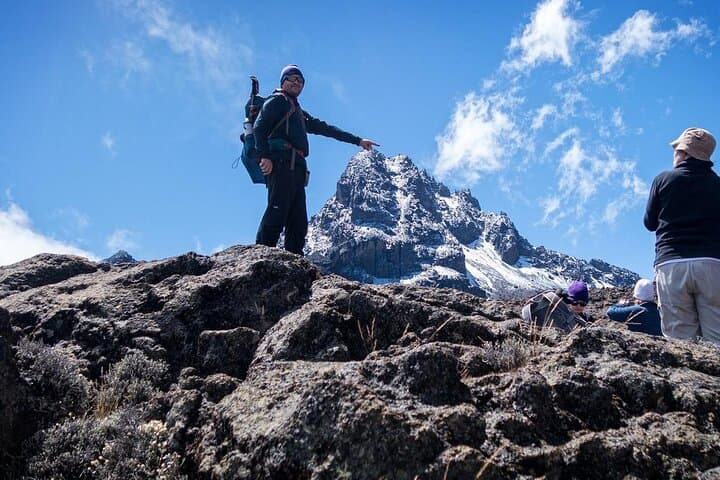
Kilimanjaro is a dormant stratovolcano whose three volcanic cones—Kibo, Mawenzi and Shira—tell a geologic story of uplift and ice. The Chagga people have long farmed its fertile foothills and guide culture remains central to any ascent: experienced crews, time-honored pacing and a communal ethic of care on the mountain.
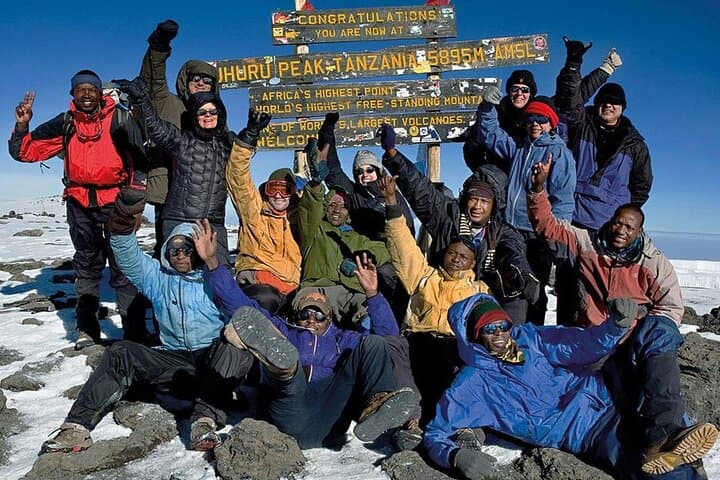
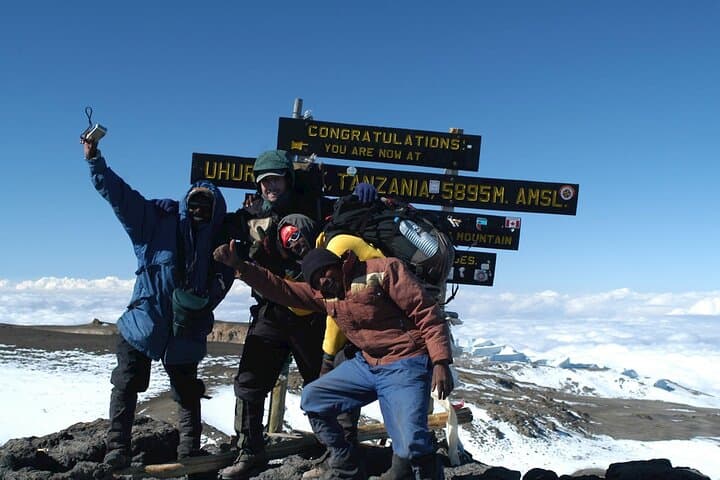
Expect steep, muddy steps early on, a windswept plateau mid-route and loose scree on summit approaches. Key waypoints: Machame Camp (3,021m), Shira Plateau, Lava Tower (4,650m) for acclimatization, Barranco Wall, Barafu Camp (4,662m) and the pre-dawn push to Uhuru Peak (5,895m). Summit night is the hardest stretch—mental patience matters as much as legs.
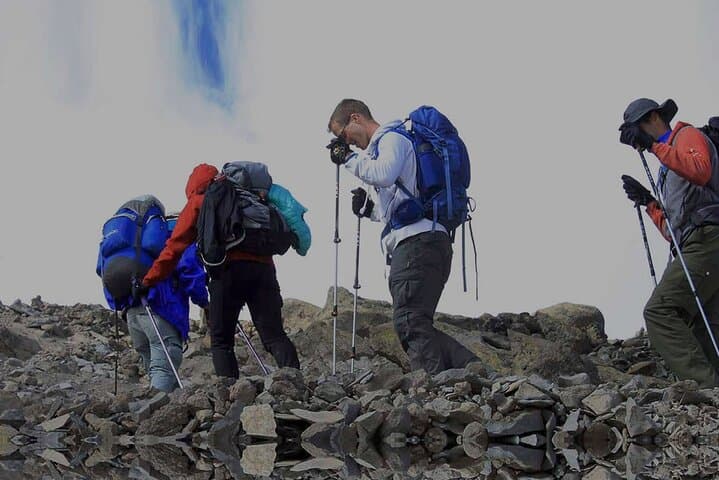
Practical guidance: plan for six days to maximize acclimatization, use gaiters and trekking poles, and pack a warm summit kit (down jacket, insulated gloves). Hydration and slow pacing cut altitude risk; communicate symptoms early. Permits and park fees are required and your operator provides crew, meals and camp logistics. Leave no trace, tip generously for porters, and schedule rest days around travel from Moshi or Arusha.
This climb demands fitness and respect for altitude, but rewards you with raw alpine light, the smell of wet forest and a summit sunrise that feels earned.
challenging.
6 days.
Good cardiovascular fitness and multi-day trekking experience; comfortable with long days and steep ascents
No technical climbing is required—this is high-altitude trekking. Good fitness and prior multi-day hikes help, but you won’t need ropes or crampons on the Machame route in normal conditions.
The clearest windows are mid-June to October and late December to February; rains in March–May and October–November can make trails muddier and visibility poorer.
Operators use an incremental itinerary, acclimatization stops like Lava Tower, hydration, and experienced guides who monitor symptoms and make descent decisions if needed.
Reputable operators include park permits, crew, meals while trekking and camping logistics—confirm details when booking and carry ID and passport information.
Kilimanjaro has long been home to the Chagga people; European exploration in the 19th century led to its fame as a mountaineering objective and eventual national park protection.
Glacial retreat and increased visitor pressure are ongoing concerns—stick to established trails, use licensed guides and minimize waste to reduce impact.
Inno Africa safaris operates guided outdoor trips and adventures with an emphasis on safety, stewardship, and memorable experiences.
A cool, thin air greets you at the park gate as headlamps bob like slow-fireflies through the rainforest. Porters sort tents, guides check permits, and the trail slips into moss-dark trunks that seem to breathe. The Machame Route pushes upward from wet forest into moorland and then the exposed Shira Plateau, each ecological band nudging you higher and colder until the summit’s glare opens above the crater rim.
A cool, thin air greets you at the park gate as headlamps bob like slow-fireflies through the rainforest. Porters sort tents, guides check permits, and the trail slips into moss-dark trunks that seem to breathe. The Machame Route pushes upward from wet forest into moorland and then the exposed Shira Plateau, each ecological band nudging you higher and colder until the summit’s glare opens above the crater rim.
Kilimanjaro is a dormant stratovolcano whose three volcanic cones—Kibo, Mawenzi and Shira—tell a geologic story of uplift and ice. The Chagga people have long farmed its fertile foothills and guide culture remains central to any ascent: experienced crews, time-honored pacing and a communal ethic of care on the mountain.
Expect steep, muddy steps early on, a windswept plateau mid-route and loose scree on summit approaches. Key waypoints: Machame Camp (3,021m), Shira Plateau, Lava Tower (4,650m) for acclimatization, Barranco Wall, Barafu Camp (4,662m) and the pre-dawn push to Uhuru Peak (5,895m). Summit night is the hardest stretch—mental patience matters as much as legs.
Practical guidance: plan for six days to maximize acclimatization, use gaiters and trekking poles, and pack a warm summit kit (down jacket, insulated gloves). Hydration and slow pacing cut altitude risk; communicate symptoms early. Permits and park fees are required and your operator provides crew, meals and camp logistics. Leave no trace, tip generously for porters, and schedule rest days around travel from Moshi or Arusha.
This climb demands fitness and respect for altitude, but rewards you with raw alpine light, the smell of wet forest and a summit sunrise that feels earned.