THE ADVENTURE COLLECTIVE® · Independent discovery and booking for outdoor travel

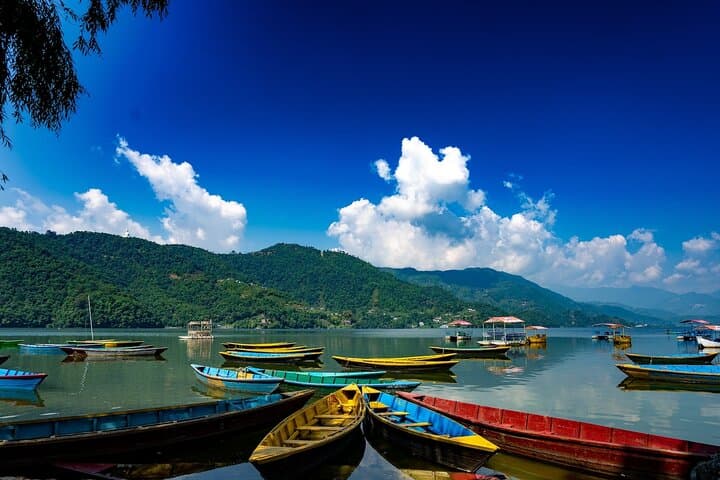
Move from Kathmandu’s heritage squares to Pokhara’s lakeside mornings and Himalayan viewpoints on a private 6-day tour. Expect guided temple visits, a Sarangkot sunrise, a Fewa Lake boat ride, and optional scenic flights for mountain views.
Move from Kathmandu’s heritage squares to Pokhara’s lakeside mornings and Himalayan viewpoints on a private 6-day tour. Expect guided temple visits, a Sarangkot sunrise, a Fewa Lake boat ride, and optional scenic flights for mountain views.
You step out of Tribhuvan International Airport into a pulse of prayer flags, traffic, and incense-scented air — Kathmandu announces itself immediately. Over six days you move between valley courtyards and glassy lakes, trade alleys and high ridgelines, watching the Himalaya lift like a wall of stone and snow on the northern horizon.
Verified experiences and guided adventures in the surrounding area.
Operated by Going Nepal - B2B Luxury DMC · Kathmandu, Bagmati Province
You step out of Tribhuvan International Airport into a pulse of prayer flags, traffic, and incense-scented air — Kathmandu announces itself immediately. Over six days you move between valley courtyards and glassy lakes, trade alleys and high ridgelines, watching the Himalaya lift like a wall of stone and snow on the northern horizon.
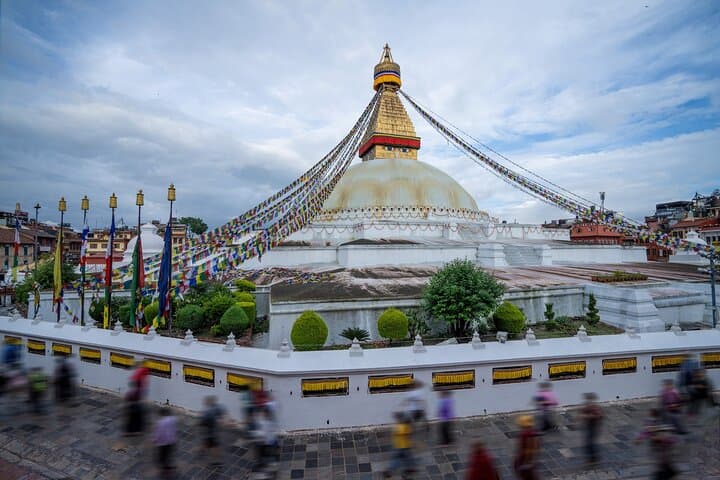
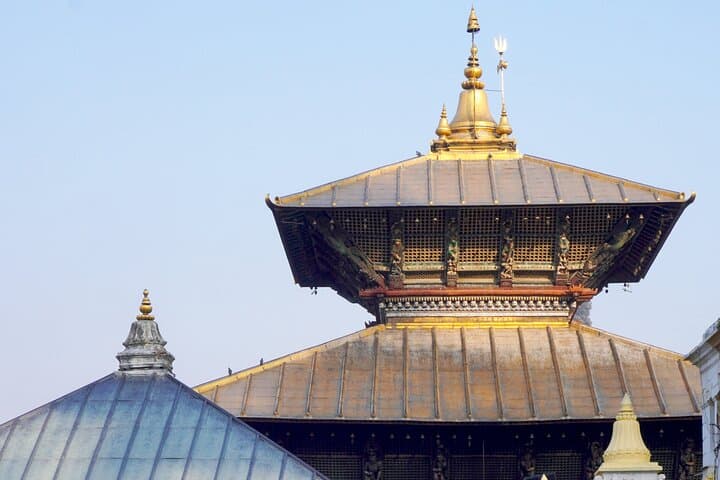
Kathmandu Valley has been a crossroads for Newar artisans, Tibetan traders, and Hindu and Buddhist pilgrims for centuries; Durbar Squares and stupas reflect layered histories of empire, craft, and ritual. Geologically, the trek to viewpoints like Sarangkot offers a compressed lesson in Himalayan uplift: terraces, river gorges, and abrupt ridgelines that frame the Annapurna and Dhaulagiri ranges. Culturally, mornings mean temple rites and evening Aarti along Fewa Lake — local life is lived in public, hospitable, and tactile.
Practically, the tour alternates gentle sightseeing with short walks: fittings of cobbled alleys in Patan and Bhaktapur, a sunrise at Sarangkot, a boat ride on Fewa, and a possible scenic flight to Lukla or short domestic hops between Kathmandu and Pokhara. Expect basic 4-star hotels, private transfers, and a local English-speaking guide to streamline logistics.
Bring sturdy walking shoes rather than full trekking boots, plan early starts for clear mountain light, and carry cash for small shrine donations and market purchases. Hydrate for dry valley air and allow extra time for traffic between sites. Respect dress codes at sacred sites and follow your guide’s directions; seasonal weather can shift quickly at higher viewpoints, so layers are an asset. This itinerary is ideal if you want concentrated cultural immersion with reliable views of the high peaks and lakeside calm.
easy.
6 days (approx. 5 nights).
Light to moderate: you should be comfortable with several hours of walking on uneven surfaces and short stair climbs.
Domestic flights to Lukla follow standard ticketing and airport regulations; no special trekking permits are required for a sightseeing flight, but flights can be weather-dependent.
Breakfast is included most days and welcome/farewell dinners are provided; other meals are typically on your own except where specified.
The tour is classified as easy with short walks, but some sites have stairs and uneven ground — travelers with severe mobility issues should discuss accessibility needs before booking.
October–December and March–May offer the clearest mountain views and comfortable temperatures; monsoon months (June–August) can reduce visibility and cause road delays.
Kathmandu Valley preserves Newar architecture and centuries of Hindu-Buddhist syncretic practice; Patan and Bhaktapur were once independent city-states on regional trade routes.
Support local guides and homestays, avoid single-use plastics especially near lakes and rivers, and follow posted rules at conservation areas to reduce visitor impact.
Going Nepal - B2B Luxury DMC operates guided outdoor trips and adventures with an emphasis on safety, stewardship, and memorable experiences.
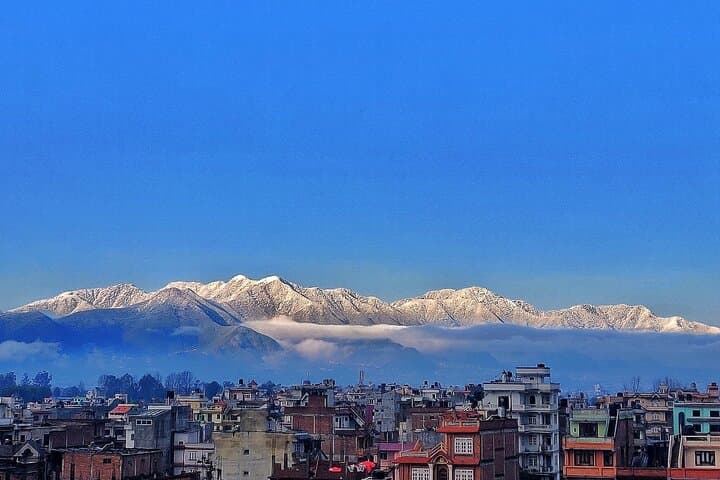
You step out of Tribhuvan International Airport into a pulse of prayer flags, traffic, and incense-scented air — Kathmandu announces itself immediately. Over six days you move between valley courtyards and glassy lakes, trade alleys and high ridgelines, watching the Himalaya lift like a wall of stone and snow on the northern horizon.
You step out of Tribhuvan International Airport into a pulse of prayer flags, traffic, and incense-scented air — Kathmandu announces itself immediately. Over six days you move between valley courtyards and glassy lakes, trade alleys and high ridgelines, watching the Himalaya lift like a wall of stone and snow on the northern horizon.
Kathmandu Valley has been a crossroads for Newar artisans, Tibetan traders, and Hindu and Buddhist pilgrims for centuries; Durbar Squares and stupas reflect layered histories of empire, craft, and ritual. Geologically, the trek to viewpoints like Sarangkot offers a compressed lesson in Himalayan uplift: terraces, river gorges, and abrupt ridgelines that frame the Annapurna and Dhaulagiri ranges. Culturally, mornings mean temple rites and evening Aarti along Fewa Lake — local life is lived in public, hospitable, and tactile.
Practically, the tour alternates gentle sightseeing with short walks: fittings of cobbled alleys in Patan and Bhaktapur, a sunrise at Sarangkot, a boat ride on Fewa, and a possible scenic flight to Lukla or short domestic hops between Kathmandu and Pokhara. Expect basic 4-star hotels, private transfers, and a local English-speaking guide to streamline logistics.
Bring sturdy walking shoes rather than full trekking boots, plan early starts for clear mountain light, and carry cash for small shrine donations and market purchases. Hydrate for dry valley air and allow extra time for traffic between sites. Respect dress codes at sacred sites and follow your guide’s directions; seasonal weather can shift quickly at higher viewpoints, so layers are an asset. This itinerary is ideal if you want concentrated cultural immersion with reliable views of the high peaks and lakeside calm.