THE ADVENTURE COLLECTIVE® · Independent discovery and booking for outdoor travel

A compact six-day private circuit through Delhi, Agra, Jaipur and Pushkar that pairs sunrise at the Taj Mahal with Rajput forts and Pushkar’s holy lake. Ideal for travelers who want guided access to India’s headline cultural sites with private transport and hotel pickup.
A compact six-day private circuit through Delhi, Agra, Jaipur and Pushkar that pairs sunrise at the Taj Mahal with Rajput forts and Pushkar’s holy lake. Ideal for travelers who want guided access to India’s headline cultural sites with private transport and hotel pickup.
Travelers step out of Delhi’s airport into a city that hums — traffic staccato, chai steam rising from roadside stalls, and the silhouette of Qutub Minar punctuating the skyline. Over six days the route tightens into a pulse: Mughal marble at dawn in Agra, palatial pink stone in Jaipur by midday, and the holy calm of Pushkar’s ghats as dusk softens the desert light.
Verified experiences and guided adventures in the surrounding area.
Operated by Agra Taj Visit · New Delhi, Delhi
Travelers step out of Delhi’s airport into a city that hums — traffic staccato, chai steam rising from roadside stalls, and the silhouette of Qutub Minar punctuating the skyline. Over six days the route tightens into a pulse: Mughal marble at dawn in Agra, palatial pink stone in Jaipur by midday, and the holy calm of Pushkar’s ghats as dusk softens the desert light.
This itinerary threads through history. Humayun’s Tomb and Fatehpur Sikri mark Mughal ambition set on the Gangetic plains; Jaipur’s forts and Jantar Mantar carry Rajput engineering and astronomical curiosity. Geologically the tour moves from the alluvial Yamuna basin around Agra to the older Aravalli foothills near Pushkar, where scrub and sandstone give the landscape a drier, wind-shaped profile.
Culturally the days are busy: bargaining in Chandni Chowk, a rickshaw ride past bazaars, and a silent moment at Pushkar’s Brahma Temple. Local guides interpret symbols carved into palaces, point out peafowl on fort walls, and recommend dishes — dal baati and laal maas — that reflect regional tastes.
Practical guidance: plan the Taj visit at sunrise to avoid heat and crowds and carry a photocopy of your passport for entry. Dress modestly for temple visits, wear comfortable walking shoes for uneven paths and fort steps, and schedule downtime—long drives between cities reward naps. Hydrate often, use bottled water, and budget for modest tips to drivers and guides. With planning, this loop offers concentrated access to North India’s architecture, markets, and living traditions.
easy.
6 days.
Suitable for travelers in normal health who can walk 2–4 hours intermittently and handle short stair climbs
Most monument entry fees are typically paid on site unless specifically listed as included; confirm with the operator before travel.
The itinerary is paced for general fitness, but it involves early starts and walking; check medical suitability and inform the operator of any mobility needs.
Private air-conditioned transport is provided; store larger bags in the vehicle but carry valuables and a daypack for essentials.
Most international visitors require an Indian visa—check current government requirements and secure the visa before arrival.
The Golden Triangle condenses two major eras: Mughal imperial architecture concentrated around Agra and Delhi, and Rajput fort and palace building centered on Jaipur’s hill forts.
Popular sites face wear and crowding; visitors should stick to marked paths, avoid littering, and prefer bottled water recycling to limit plastic waste.
Agra Taj Visit operates guided outdoor trips and adventures with an emphasis on safety, stewardship, and memorable experiences.
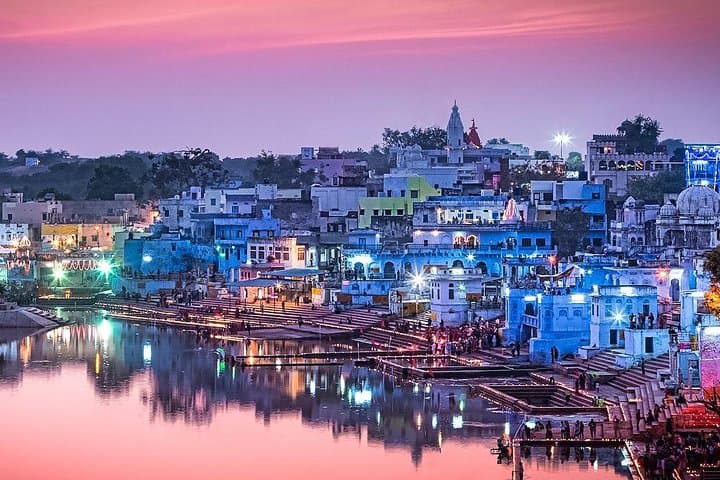
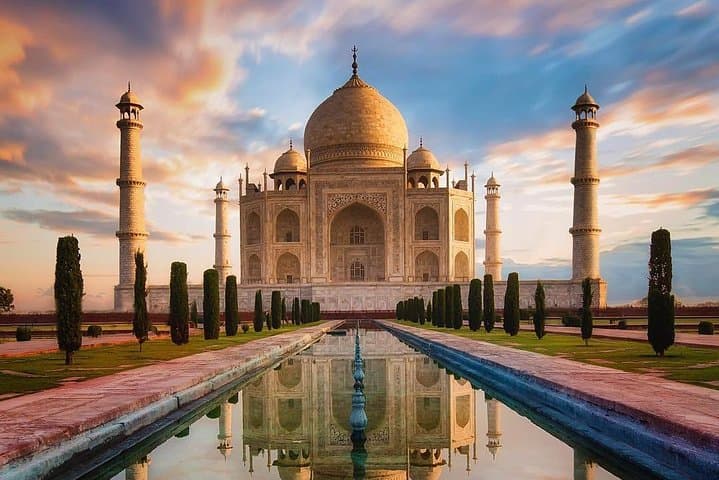
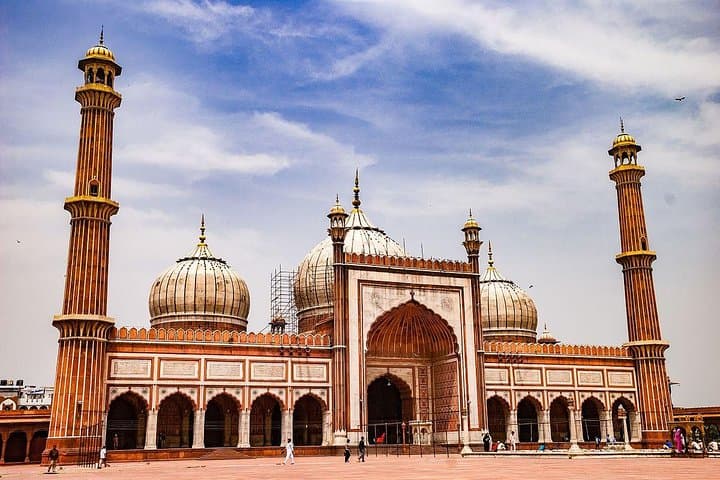
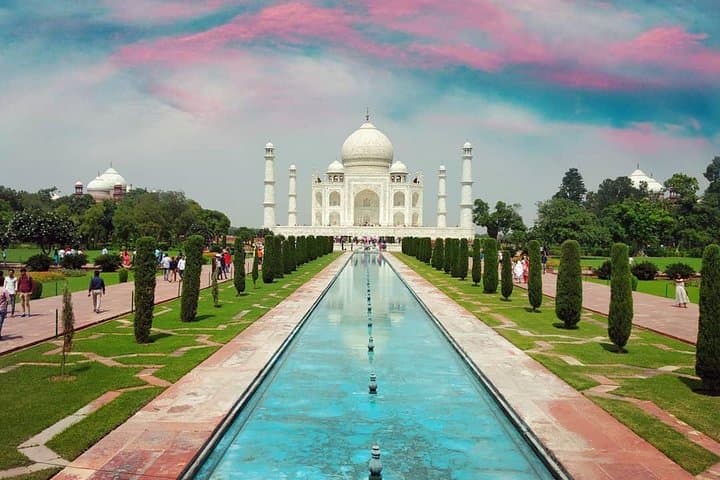
Travelers step out of Delhi’s airport into a city that hums — traffic staccato, chai steam rising from roadside stalls, and the silhouette of Qutub Minar punctuating the skyline. Over six days the route tightens into a pulse: Mughal marble at dawn in Agra, palatial pink stone in Jaipur by midday, and the holy calm of Pushkar’s ghats as dusk softens the desert light.
Travelers step out of Delhi’s airport into a city that hums — traffic staccato, chai steam rising from roadside stalls, and the silhouette of Qutub Minar punctuating the skyline. Over six days the route tightens into a pulse: Mughal marble at dawn in Agra, palatial pink stone in Jaipur by midday, and the holy calm of Pushkar’s ghats as dusk softens the desert light.
This itinerary threads through history. Humayun’s Tomb and Fatehpur Sikri mark Mughal ambition set on the Gangetic plains; Jaipur’s forts and Jantar Mantar carry Rajput engineering and astronomical curiosity. Geologically the tour moves from the alluvial Yamuna basin around Agra to the older Aravalli foothills near Pushkar, where scrub and sandstone give the landscape a drier, wind-shaped profile.
Culturally the days are busy: bargaining in Chandni Chowk, a rickshaw ride past bazaars, and a silent moment at Pushkar’s Brahma Temple. Local guides interpret symbols carved into palaces, point out peafowl on fort walls, and recommend dishes — dal baati and laal maas — that reflect regional tastes.
Practical guidance: plan the Taj visit at sunrise to avoid heat and crowds and carry a photocopy of your passport for entry. Dress modestly for temple visits, wear comfortable walking shoes for uneven paths and fort steps, and schedule downtime—long drives between cities reward naps. Hydrate often, use bottled water, and budget for modest tips to drivers and guides. With planning, this loop offers concentrated access to North India’s architecture, markets, and living traditions.