THE ADVENTURE COLLECTIVE® · Independent discovery and booking for outdoor travel

See India’s most iconic triangle of heritage—Delhi, Agra and Jaipur—over six private days. This guided circuit pairs skip-the-line access to UNESCO sites with local market walks and private AC transfers.
See India’s most iconic triangle of heritage—Delhi, Agra and Jaipur—over six private days. This guided circuit pairs skip-the-line access to UNESCO sites with local market walks and private AC transfers.
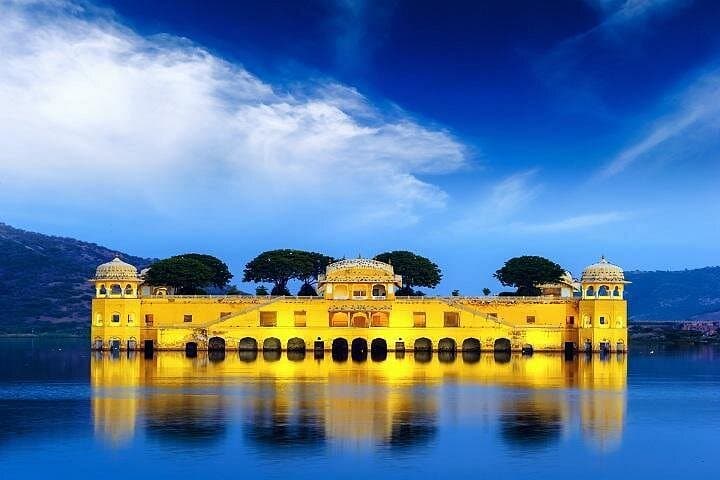
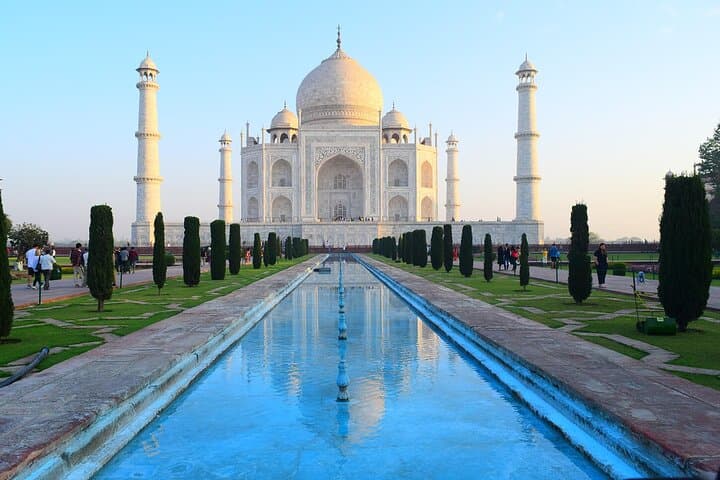
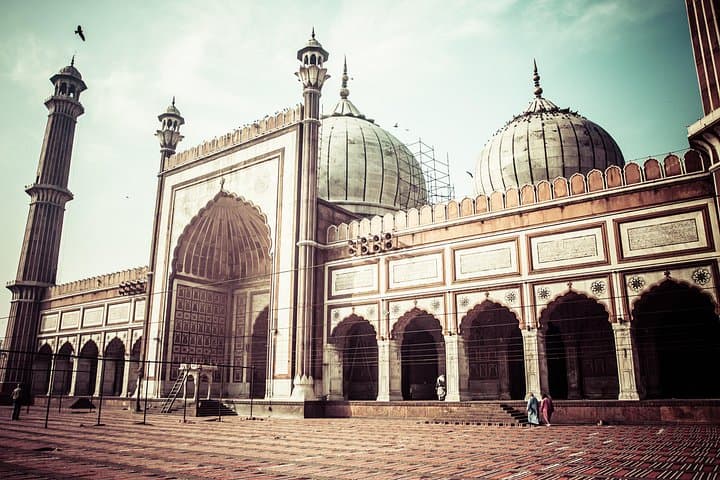
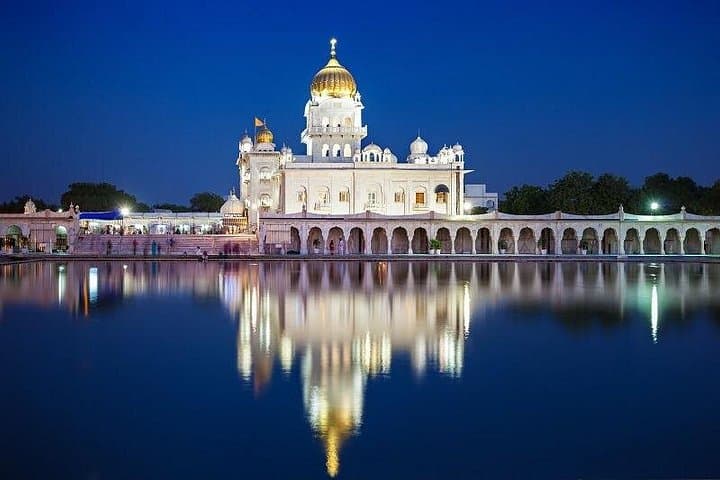
Dust from the city roads rises as your private car slips away from Delhi’s airport, traffic thinning into open highway. By morning the Taj’s dome appears like a pale promise on the horizon; by evening Jaipur’s ramparts catch the last light and the city exhales color. This is a pace that alternates between bustling bazaars and ordered monuments—close-up, human-scale heritage wrapped in six days of focused travel.
Verified experiences and guided adventures in the surrounding area.
Operated by BOUT INDIA TOURS · New Delhi, Delhi
Dust from the city roads rises as your private car slips away from Delhi’s airport, traffic thinning into open highway. By morning the Taj’s dome appears like a pale promise on the horizon; by evening Jaipur’s ramparts catch the last light and the city exhales color. This is a pace that alternates between bustling bazaars and ordered monuments—close-up, human-scale heritage wrapped in six days of focused travel.
The Golden Triangle links three political and cultural anchors: Delhi’s layered imperial history from Sultanate to British Raj; Agra’s Mughal legacy centered on the Taj Mahal and Agra Fort; and Jaipur’s Rajput city planning, forts and observatories. Geologically the route crosses the alluvial plains of the Yamuna and Chambal systems—flat, fertile ground that made these cities easy targets for empire and trade. Culturally, travelers encounter living craft traditions: marble inlay from Agra, block printing and gemstones in Jaipur, and the spice-and-sweet pulse of Old Delhi markets.
Practical guidance: the tour runs door-to-door with private AC transport and English-speaking guides, five breakfasts and two lunches included. Plan for long walking segments on uneven stone floors at forts and steep steps at Amer Fort; modest, conservative dress is required at religious sites. Midday heat can be intense from April–June; mornings and late afternoons are best for photography and market walks. Hydrate, wear comfortable walking shoes, and keep small bills for local purchases and tips. With a private itinerary, travelers can compress iconic sights into six efficient days while still leaving room for unscripted market discoveries and rooftop views.
easy.
6 days.
Suitable for travelers in average fitness—able to walk several miles over cobbled streets and climb steps at forts.
The tour notes wheelchair-accessible transport and some accessible sites, but several monuments have uneven steps—check specific site accessibility with your operator in advance.
Yes—entry passes for the monuments mentioned in the itinerary are included in the tour price.
This is a private tour with transport and guide dedicated to your booking; minimum two adults required to book.
Conservative dress is requested—cover shoulders and knees; carry a scarf or long-sleeve layer for quick coverage.
The ‘Golden Triangle’ grew from trade and imperial routes linking Mughal and Rajput capitals; each city reflects a different chapter in north India’s political history.
Tour operators encourage respectful waste management and water conservation at heritage sites; avoid single-use plastics and follow local guidance to protect fragile monuments.
BOUT INDIA TOURS operates guided outdoor trips and adventures with an emphasis on safety, stewardship, and memorable experiences.
Dust from the city roads rises as your private car slips away from Delhi’s airport, traffic thinning into open highway. By morning the Taj’s dome appears like a pale promise on the horizon; by evening Jaipur’s ramparts catch the last light and the city exhales color. This is a pace that alternates between bustling bazaars and ordered monuments—close-up, human-scale heritage wrapped in six days of focused travel.
Dust from the city roads rises as your private car slips away from Delhi’s airport, traffic thinning into open highway. By morning the Taj’s dome appears like a pale promise on the horizon; by evening Jaipur’s ramparts catch the last light and the city exhales color. This is a pace that alternates between bustling bazaars and ordered monuments—close-up, human-scale heritage wrapped in six days of focused travel.
The Golden Triangle links three political and cultural anchors: Delhi’s layered imperial history from Sultanate to British Raj; Agra’s Mughal legacy centered on the Taj Mahal and Agra Fort; and Jaipur’s Rajput city planning, forts and observatories. Geologically the route crosses the alluvial plains of the Yamuna and Chambal systems—flat, fertile ground that made these cities easy targets for empire and trade. Culturally, travelers encounter living craft traditions: marble inlay from Agra, block printing and gemstones in Jaipur, and the spice-and-sweet pulse of Old Delhi markets.
Practical guidance: the tour runs door-to-door with private AC transport and English-speaking guides, five breakfasts and two lunches included. Plan for long walking segments on uneven stone floors at forts and steep steps at Amer Fort; modest, conservative dress is required at religious sites. Midday heat can be intense from April–June; mornings and late afternoons are best for photography and market walks. Hydrate, wear comfortable walking shoes, and keep small bills for local purchases and tips. With a private itinerary, travelers can compress iconic sights into six efficient days while still leaving room for unscripted market discoveries and rooftop views.