THE ADVENTURE COLLECTIVE® · Independent discovery and booking for outdoor travel

Stand close enough to read ancient chisel marks and follow streets where early Christians worshipped. This private 5‑hour tour combines the Giza Plateau’s monumental geometry with the intimate lanes and churches of Old Coptic Cairo.
Stand close enough to read ancient chisel marks and follow streets where early Christians worshipped. This private 5‑hour tour combines the Giza Plateau’s monumental geometry with the intimate lanes and churches of Old Coptic Cairo.
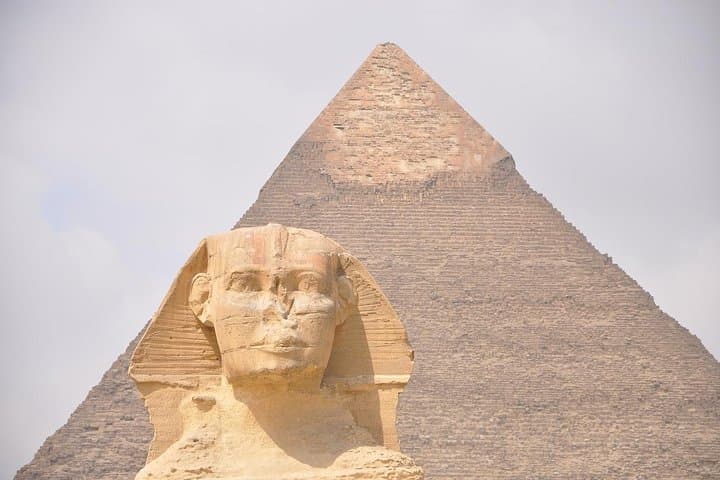
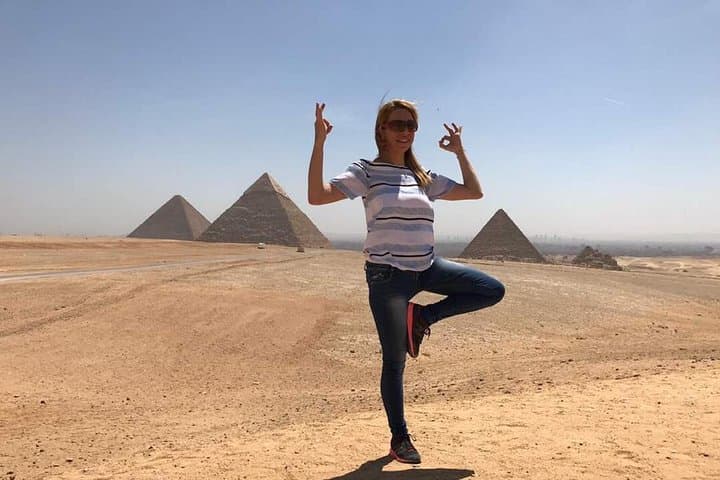
You arrive where the horizon is a hard line of sand and stone — the Great Pyramid rising from the plateau like an engineered mountain. The air has the dry clarity of desert mornings; a breeze moves across the stones and seems to carry voices from 4,500 years ago. Your guide leads you along paved walkways, stopping at vantage points that frame the three main pyramids and the Sphinx against the city beyond.
Verified experiences and guided adventures in the surrounding area.
Operated by Egypt Sightseeing Tours Day Trips · Giza, Giza Governorate
You arrive where the horizon is a hard line of sand and stone — the Great Pyramid rising from the plateau like an engineered mountain. The air has the dry clarity of desert mornings; a breeze moves across the stones and seems to carry voices from 4,500 years ago. Your guide leads you along paved walkways, stopping at vantage points that frame the three main pyramids and the Sphinx against the city beyond.
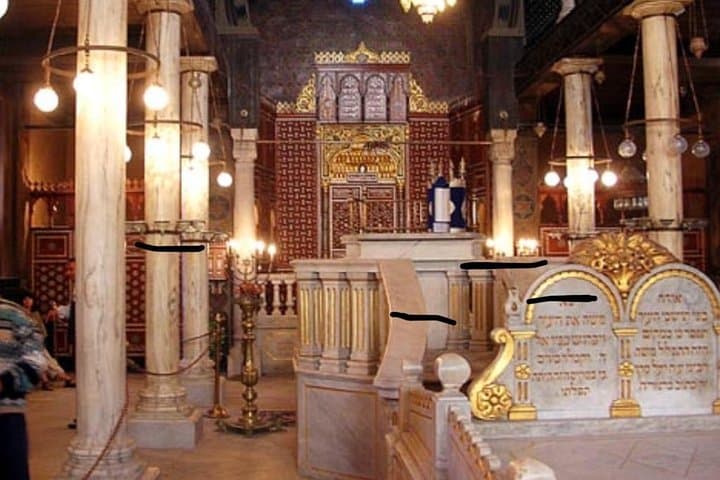
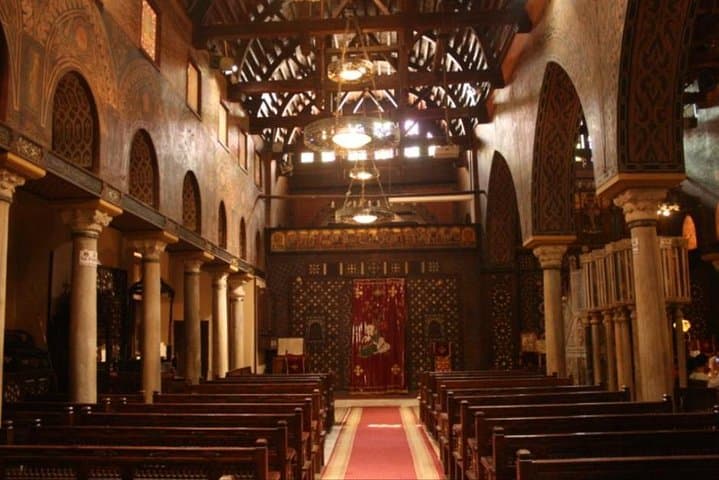
The Giza complex dates to Egypt’s Old Kingdom. The Great Pyramid of Khufu (circa 2580–2560 BCE) is the largest and the last of the original Seven Wonders still standing; Khafre and Menkaure’s pyramids follow in descending scale. Geologically, the plateau is Eocene limestone — the same living rock sculpted into tombs, statues and the Sphinx’s body. Later layers of Cairo’s story unfold in Old Coptic Cairo: churches like St. Sergius and the Hanging Church preserve early Christian architecture and community life stretching back to Late Antiquity.
Expect a compact but full day: photo stops, close-up views of monuments, and a guided walk through narrow, stone-lined alleys of Coptic quarters. Your guide can arrange optional extras — entering a pyramid, the Solar Boat Museum, or a short camel ride — for additional fees.
Practical notes: wear sturdy closed shoes for uneven limestone surfaces, carry sunscreen and a refillable water bottle (temperatures climb quickly), and plan for security checkpoints and moderate crowds. Aim for an early start to avoid the heat and get the best light for photos.
easy.
5–6 hours.
Suitable for most fitness levels; requires walking on uneven ground and standing during site visits.
Standard tour pricing usually does not include pyramid interior tickets or camel rides; your guide can advise on current fees and purchase options.
Interior access is limited and requires a separate ticket; availability varies by day and is subject to site quotas and additional charges.
Yes — the tour is rated easy and accommodates all fitness levels, though interior pyramid passages are narrow and may be uncomfortable for some.
Tipping is customary in Egypt; small tips for the guide and driver at the end of the tour are appreciated and often expected.
Giza’s monuments are products of the Old Kingdom (4th Dynasty) while Old Coptic Cairo preserves Christian sites established from the 4th century onward.
The Giza Plateau faces wear from heavy visitation; stay on marked paths, avoid climbing monuments, and use licensed guides to support responsible tourism.
Egypt Sightseeing Tours Day Trips operates guided outdoor trips and adventures with an emphasis on safety, stewardship, and memorable experiences.
You arrive where the horizon is a hard line of sand and stone — the Great Pyramid rising from the plateau like an engineered mountain. The air has the dry clarity of desert mornings; a breeze moves across the stones and seems to carry voices from 4,500 years ago. Your guide leads you along paved walkways, stopping at vantage points that frame the three main pyramids and the Sphinx against the city beyond.
You arrive where the horizon is a hard line of sand and stone — the Great Pyramid rising from the plateau like an engineered mountain. The air has the dry clarity of desert mornings; a breeze moves across the stones and seems to carry voices from 4,500 years ago. Your guide leads you along paved walkways, stopping at vantage points that frame the three main pyramids and the Sphinx against the city beyond.
The Giza complex dates to Egypt’s Old Kingdom. The Great Pyramid of Khufu (circa 2580–2560 BCE) is the largest and the last of the original Seven Wonders still standing; Khafre and Menkaure’s pyramids follow in descending scale. Geologically, the plateau is Eocene limestone — the same living rock sculpted into tombs, statues and the Sphinx’s body. Later layers of Cairo’s story unfold in Old Coptic Cairo: churches like St. Sergius and the Hanging Church preserve early Christian architecture and community life stretching back to Late Antiquity.
Expect a compact but full day: photo stops, close-up views of monuments, and a guided walk through narrow, stone-lined alleys of Coptic quarters. Your guide can arrange optional extras — entering a pyramid, the Solar Boat Museum, or a short camel ride — for additional fees.
Practical notes: wear sturdy closed shoes for uneven limestone surfaces, carry sunscreen and a refillable water bottle (temperatures climb quickly), and plan for security checkpoints and moderate crowds. Aim for an early start to avoid the heat and get the best light for photos.