THE ADVENTURE COLLECTIVE® · Independent discovery and booking for outdoor travel

Cover Delhi, the Taj Mahal, Ranthambore tiger safaris and Jaipur in five private days. Expect early starts, long drives between cities, and a high chance to spot tigers on scheduled safaris.
Cover Delhi, the Taj Mahal, Ranthambore tiger safaris and Jaipur in five private days. Expect early starts, long drives between cities, and a high chance to spot tigers on scheduled safaris.
You arrive into the humid dawn of New Delhi and the city greets you with the low hum of traffic and swallows darting around sandstone monuments. Over five days you move from the ceremonial boulevards of Delhi to the marble hush of the Taj, then into the scrub forests of Ranthambore where the jungle dares you to look closer, and finally to Jaipur’s pink stone palaces.
Verified experiences and guided adventures in the surrounding area.
Operated by TF Holidays India · New Delhi, Delhi
You arrive into the humid dawn of New Delhi and the city greets you with the low hum of traffic and swallows darting around sandstone monuments. Over five days you move from the ceremonial boulevards of Delhi to the marble hush of the Taj, then into the scrub forests of Ranthambore where the jungle dares you to look closer, and finally to Jaipur’s pink stone palaces.
This itinerary threads Mughal and Rajput history into a compact route: Qutb Minar and India Gate in Delhi, Shah Jahan’s Taj Mahal and Agra Fort on the Yamuna’s floodplain, Ranthambore’s 10th-century fort and seasonal Padam Talao lake, and Jaipur’s City Palace and Jantar Mantar founded by Maharaja Sawai Jai Singh II. Geologically the region shifts from the alluvial plains of the Ganges to the Vindhya fringe and rocky outcrops that funnel wildlife into Ranthambore’s dry deciduous patches.
Practically, expect long transfers—Delhi→Agra ~3–4 hours (200–230 km), Agra→Ranthambore ~4–5 hours (~250 km), Ranthambore→Jaipur ~3 hours (~150 km), Jaipur→Delhi ~4–5 hours (~270 km). Early starts matter: Taj sunrise visits are spectacular (closed Fridays) and safaris are scheduled morning or afternoon when tigers are most active. Carry water, sun protection, and a small daypack: monuments involve stair climbing and shady breaks are limited.
Book safaris and monument tickets ahead, keep passport details handy for reservations, and plan flexible pickup times to allow for traffic. With steady pacing and basic fitness, this compact loop delivers culture, architecture, and genuine wildlife encounters.
moderate.
5 days.
Light to moderate fitness: comfortable walking for a few hours per day, able to manage stairs and short hikes during safaris.
The Taj Mahal is closed on Fridays for prayer; otherwise it’s open daily though sunrise visits depend on weather and holiday closures.
Ranthambore is one of India’s better parks for tiger sightings, but sightings are never guaranteed—early morning safaris increase your odds.
International travelers need a valid passport and Indian visa; passport details are required at booking for monument and safari permits.
Expect several multi-hour transfers: Delhi→Agra ~3–4 hrs, Agra→Ranthambore ~4–5 hrs, Ranthambore→Jaipur ~3 hrs, Jaipur→Delhi ~4–5 hrs, with sightseeing stops en route.
This route traces Mughal-era power and Rajput princely states—Shah Jahan’s Taj and Jaipur’s planned 18th-century city reflect competing imperial ambitions.
Ranthambore balances tourism with tiger conservation; follow park rules, avoid littering, and support locally run accommodations to reduce ecological pressure.
TF Holidays India operates guided outdoor trips and adventures with an emphasis on safety, stewardship, and memorable experiences.
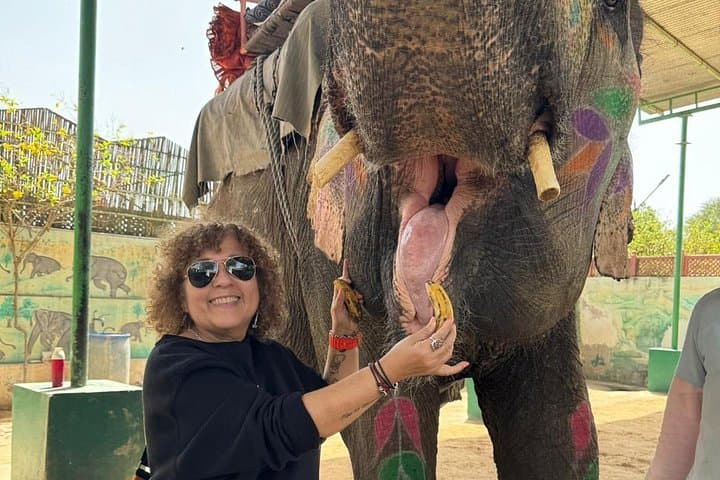
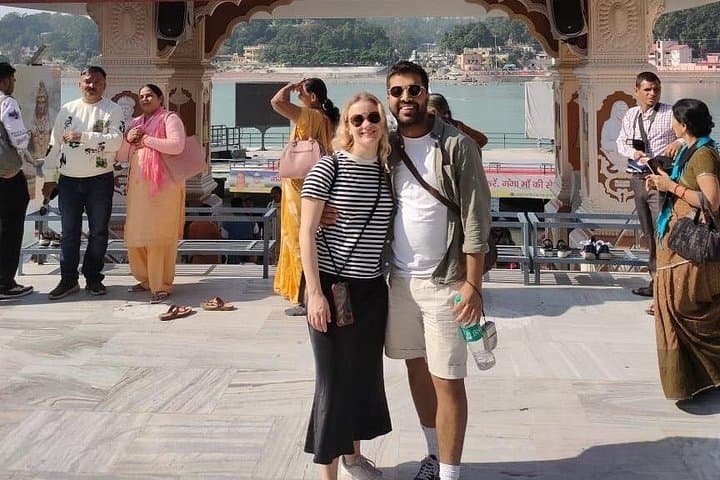


You arrive into the humid dawn of New Delhi and the city greets you with the low hum of traffic and swallows darting around sandstone monuments. Over five days you move from the ceremonial boulevards of Delhi to the marble hush of the Taj, then into the scrub forests of Ranthambore where the jungle dares you to look closer, and finally to Jaipur’s pink stone palaces.
You arrive into the humid dawn of New Delhi and the city greets you with the low hum of traffic and swallows darting around sandstone monuments. Over five days you move from the ceremonial boulevards of Delhi to the marble hush of the Taj, then into the scrub forests of Ranthambore where the jungle dares you to look closer, and finally to Jaipur’s pink stone palaces.
This itinerary threads Mughal and Rajput history into a compact route: Qutb Minar and India Gate in Delhi, Shah Jahan’s Taj Mahal and Agra Fort on the Yamuna’s floodplain, Ranthambore’s 10th-century fort and seasonal Padam Talao lake, and Jaipur’s City Palace and Jantar Mantar founded by Maharaja Sawai Jai Singh II. Geologically the region shifts from the alluvial plains of the Ganges to the Vindhya fringe and rocky outcrops that funnel wildlife into Ranthambore’s dry deciduous patches.
Practically, expect long transfers—Delhi→Agra ~3–4 hours (200–230 km), Agra→Ranthambore ~4–5 hours (~250 km), Ranthambore→Jaipur ~3 hours (~150 km), Jaipur→Delhi ~4–5 hours (~270 km). Early starts matter: Taj sunrise visits are spectacular (closed Fridays) and safaris are scheduled morning or afternoon when tigers are most active. Carry water, sun protection, and a small daypack: monuments involve stair climbing and shady breaks are limited.
Book safaris and monument tickets ahead, keep passport details handy for reservations, and plan flexible pickup times to allow for traffic. With steady pacing and basic fitness, this compact loop delivers culture, architecture, and genuine wildlife encounters.