THE ADVENTURE COLLECTIVE® · Independent discovery and booking for outdoor travel

Five days of mangrove tunnels, island hopping, reef snorkeling and immersive Garifuna culture on Roatán’s eastern tip. This private tour blends coastal ecology with village visits and relaxed seaside lodgings.
Five days of mangrove tunnels, island hopping, reef snorkeling and immersive Garifuna culture on Roatán’s eastern tip. This private tour blends coastal ecology with village visits and relaxed seaside lodgings.
A humid trade wind lifts off the Caribbean as the group rolls away from Roatán International Airport, the coastline folding and unfolding beneath a 15-mile mountaintop road that crosses the island’s central spine. From the window, both north and south shores appear in quick succession — turquoise shelves and darker reef lines like seams in the sea — while small fishing hamlets and the so-called “Venice of Roatan” slide past.
Verified experiences and guided adventures in the surrounding area.
Operated by Roatan Five Stars Tours · Coxen Hole, Bay Islands
A humid trade wind lifts off the Caribbean as the group rolls away from Roatán International Airport, the coastline folding and unfolding beneath a 15-mile mountaintop road that crosses the island’s central spine. From the window, both north and south shores appear in quick succession — turquoise shelves and darker reef lines like seams in the sea — while small fishing hamlets and the so-called “Venice of Roatan” slide past.
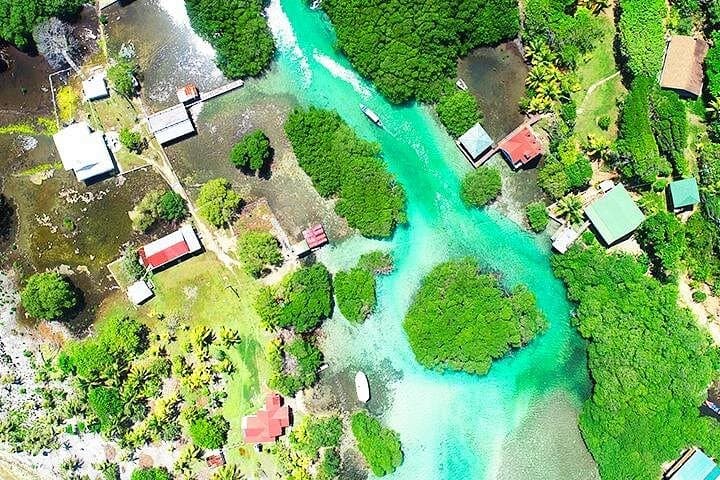
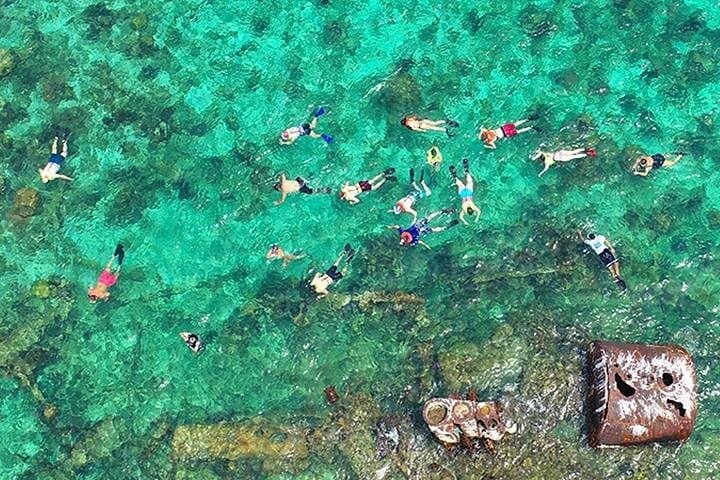
The itinerary threads ecology and culture: red mangrove tunnels that guard nurseries, coral gardens punctuated by a 126-year-old shipwreck, and the living Garifuna traditions of Punta Gorda, whose music and food recall an Afro-indigenous past forced ashore in the 18th century. Geologically, Roatán is a raised limestone island; its white-sand coves and rocky red outcrops at Camp Bay reflect wave-cut terraces and reef development along the northern shelf.
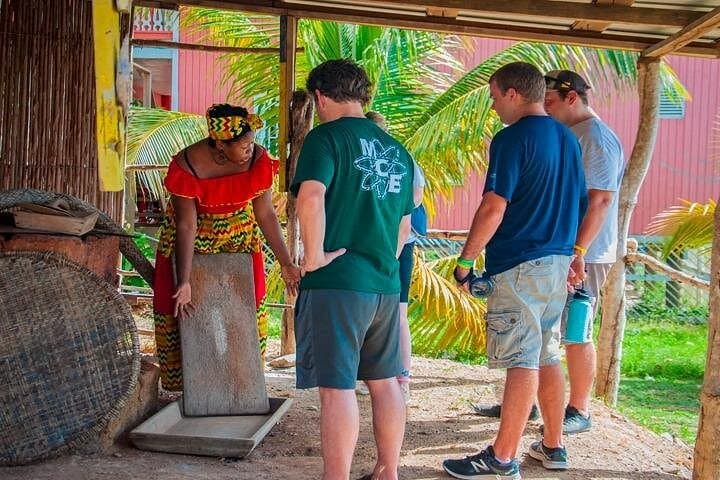
Days alternate between gentle motion — speedboat island-hopping, snorkel stops at starfish banks and blue channel drops — and grounded village visits where local guides explain coconut oil extraction, medicinal plants, and small-scale fishing.
Practical guidance: expect light to moderate activity across dirt roads, short hikes, and repeated boat entries; bring reef-safe sunscreen, sturdy sandals or trail shoes, a lightweight daypack, and a basic snorkel kit if you prefer your own mask. Plan for sun protection and mosquito repellent in evenings, and carry cash for small village purchases. The tour is private and paced for acclimatization, making it suitable for travelers looking for wildlife-rich snorkeling combined with hands-on cultural encounters.
moderate.
5 days.
Light to moderate fitness — able to board small boats, walk short dirt roads and stand during snorkel entries.
Yes — this itinerary is offered as a private small-group tour with an English-speaking local guide and private vehicle transfers.
Most breakfasts, three lunches and four dinners are included; island palapa lunches and dietary options are accommodated when requested.
No — guided snorkel stops are suitable for beginners, but participants should be comfortable in calm open water and able to follow guide instructions.
Some accommodations and transportation are listed as wheelchair accessible, but many village paths and boat docks involve uneven terrain; contact the operator to confirm specific accessibility needs.
Eastern Roatán is shaped by Garifuna heritage and colonial-era maritime routes; Punta Gorda preserves ancestral music, dance, and culinary practices introduced in the late 1700s.
Local communities depend on healthy reefs and mangroves; visitors should practice no-touch snorkeling, use reef-safe sunscreen, and support community-run conservation initiatives.
Roatan Five Stars Tours operates guided outdoor trips and adventures with an emphasis on safety, stewardship, and memorable experiences.
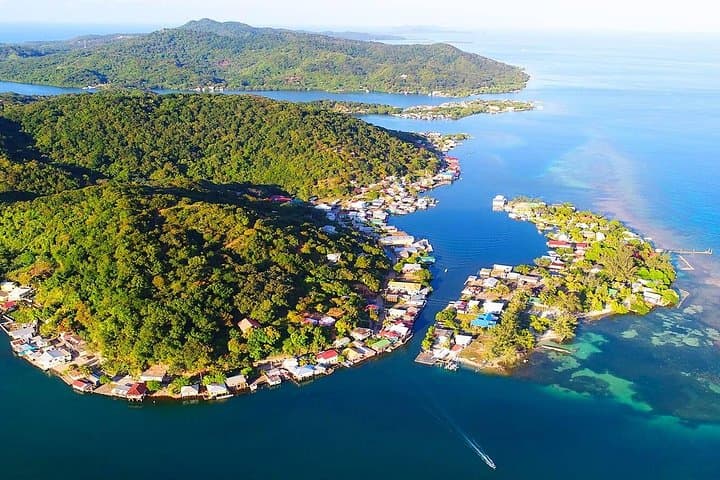
A humid trade wind lifts off the Caribbean as the group rolls away from Roatán International Airport, the coastline folding and unfolding beneath a 15-mile mountaintop road that crosses the island’s central spine. From the window, both north and south shores appear in quick succession — turquoise shelves and darker reef lines like seams in the sea — while small fishing hamlets and the so-called “Venice of Roatan” slide past.
A humid trade wind lifts off the Caribbean as the group rolls away from Roatán International Airport, the coastline folding and unfolding beneath a 15-mile mountaintop road that crosses the island’s central spine. From the window, both north and south shores appear in quick succession — turquoise shelves and darker reef lines like seams in the sea — while small fishing hamlets and the so-called “Venice of Roatan” slide past.
The itinerary threads ecology and culture: red mangrove tunnels that guard nurseries, coral gardens punctuated by a 126-year-old shipwreck, and the living Garifuna traditions of Punta Gorda, whose music and food recall an Afro-indigenous past forced ashore in the 18th century. Geologically, Roatán is a raised limestone island; its white-sand coves and rocky red outcrops at Camp Bay reflect wave-cut terraces and reef development along the northern shelf.
Days alternate between gentle motion — speedboat island-hopping, snorkel stops at starfish banks and blue channel drops — and grounded village visits where local guides explain coconut oil extraction, medicinal plants, and small-scale fishing.
Practical guidance: expect light to moderate activity across dirt roads, short hikes, and repeated boat entries; bring reef-safe sunscreen, sturdy sandals or trail shoes, a lightweight daypack, and a basic snorkel kit if you prefer your own mask. Plan for sun protection and mosquito repellent in evenings, and carry cash for small village purchases. The tour is private and paced for acclimatization, making it suitable for travelers looking for wildlife-rich snorkeling combined with hands-on cultural encounters.