
Private 5-Day Ancient Temple Tour of Angkor: Sunrise, Ta Prohm & Tonle Sap
A private five-day exploration of Angkor’s major temples, sunrise at Angkor Wat, Ta Prohm’s root-woven galleries, Kbal Spean’s carved riverbed and a Tonle Sap boat trip. Expect varied walking under tropical sun, insightful local guides and cultural context at every stop.
An Adventure In Siem Reap.
A private five-day exploration of Angkor’s major temples, sunrise at Angkor Wat, Ta Prohm’s root-woven galleries, Kbal Spean’s carved riverbed and a Tonle Sap boat trip. Expect varied walking under tropical sun, insightful local guides and cultural context at every stop.
Read the full experience
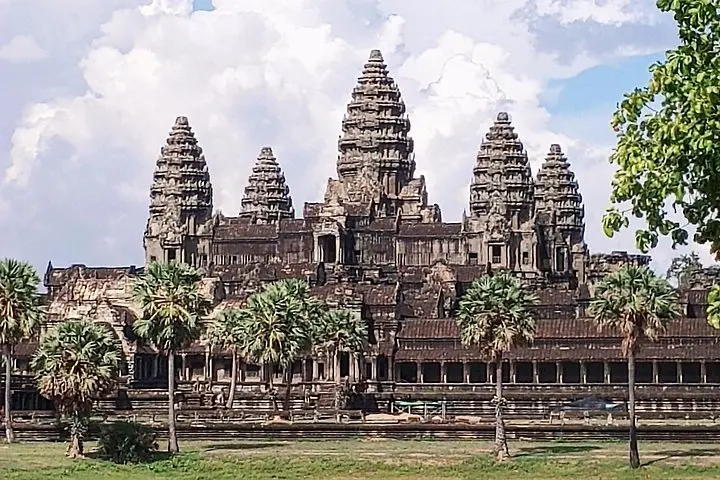
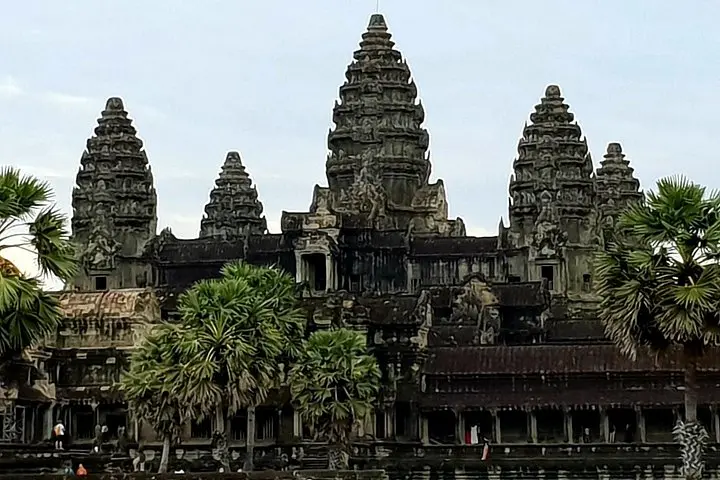
You step out of the van before dawn, the air thick with the last cool of night, and watch Angkor Wat’s silhouette resolve into stone as the sun edges up behind its towers. Early light sharpens bas-reliefs and sends the lotus pond’s surface into a slow shimmer; the crowd’s hush feels like permission to breathe in a very old place.
You step out of the van before dawn, the air thick with the last cool of night, and watch Angkor Wat’s silhouette resolve into stone as the sun edges up behind its towers. Early light sharpens bas-reliefs and sends the lotus pond’s surface into a slow shimmer; the crowd’s hush feels like permission to breathe in a very old place.
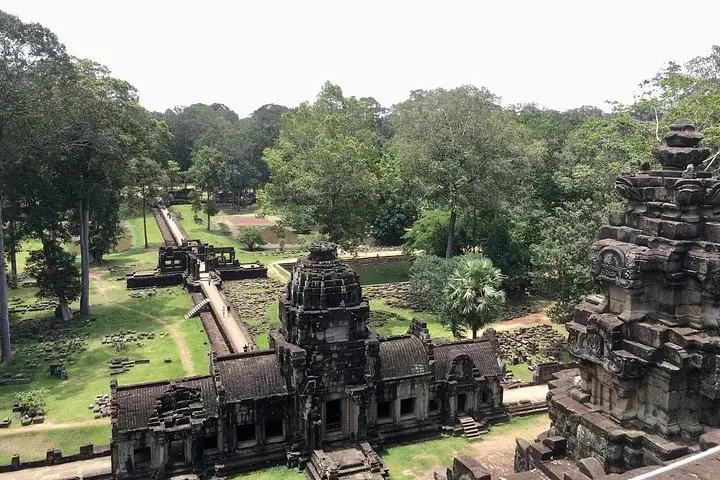
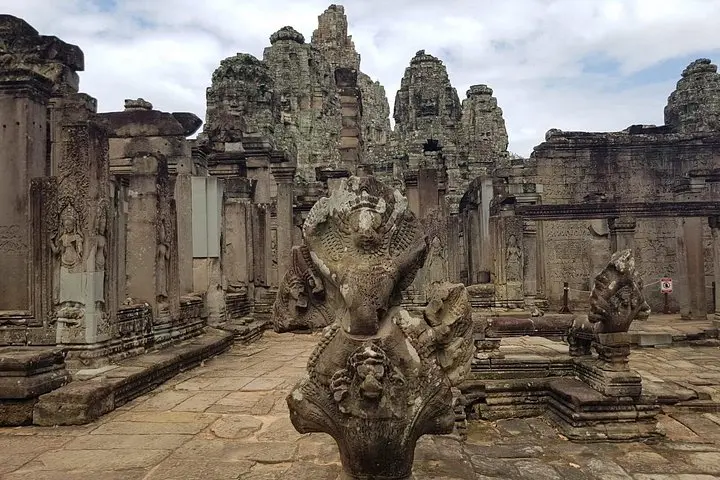
This five-day private itinerary threads the best of the Angkor Archaeological Park and surrounding sites: Angkor Wat at sunrise, the carved faces of Bayon, tree-swallowed galleries at Ta Prohm, the river-bed carvings of Kbal Spean, and the floating life of Tonle Sap. The monuments span the Khmer Empire’s heyday (9th–13th centuries), with Angkor Wat itself raised by Suryavarman II in the 12th century and temples built from sandstone, laterite and brick—materials that age into the orange and grey palette you’ll walk through.
Culturally, expect a mix of Hindu iconography and later Buddhist usage; guides explain the mythic scenes and the social role temples played as state centers. Geologically, the region’s low, flat basin and seasonal Baray reservoirs shaped settlement and ritual water management here.
Practically: daily walking ranges from flat paved courtyards to uneven stone steps and a steep 3 km jungle approach at Kbal Spean that uses wooden stairs—bring good shoes and a steady pace. Mornings are best for light and cooler conditions; afternoons suit workshops, markets and the Tonle Sap boat trip when watercraft slip through reed-lined channels. Respect dress codes at active temples, carry water, and tip your guide if their knowledge made the ruins come alive.
Frequently asked questions
Entry fees are not included in most private tours; your guide will advise on purchasing the Angkor Pass (1-day, 3-day, or 7-day) at the official ticket center.
Many sites have uneven steps and narrow passageways; some transport and parts of the itinerary note wheelchair accessibility, but access varies by temple—check specific needs with the operator before booking.
The dry season (November–February) offers cooler, clearer conditions; the wet season (May–October) brings lush vegetation and fuller reservoirs but heavier rains can impact some walking sections.
Tipping is customary; small daily tips for guides and drivers are appreciated and reflect good service for private, personalized tours.
About This Experience
Tour Guide-Siem Reap operates guided outdoor trips and adventures with an emphasis on safety, stewardship, and memorable experiences.
Adventure tips
Recommended gear
- Sturdy walking shoes: Good traction for temple steps, roots and uneven pathways.
- Light daypack with water bladder: Keeps water, sunscreen, documents and snacks handy during long temple days.
- Sun protection (hat & sunscreen): Midday sun is strong—protect skin and eyes during courtyard walks.
- Light sarong or long-sleeve cover: Required at some active temples and useful for shade and modesty.
Photos of the experience
Related adventures & guides
Read the full experience
You step out of the van before dawn, the air thick with the last cool of night, and watch Angkor Wat’s silhouette resolve into stone as the sun edges up behind its towers. Early light sharpens bas-reliefs and sends the lotus pond’s surface into a slow shimmer; the crowd’s hush feels like permission to breathe in a very old place.
You step out of the van before dawn, the air thick with the last cool of night, and watch Angkor Wat’s silhouette resolve into stone as the sun edges up behind its towers. Early light sharpens bas-reliefs and sends the lotus pond’s surface into a slow shimmer; the crowd’s hush feels like permission to breathe in a very old place.
This five-day private itinerary threads the best of the Angkor Archaeological Park and surrounding sites: Angkor Wat at sunrise, the carved faces of Bayon, tree-swallowed galleries at Ta Prohm, the river-bed carvings of Kbal Spean, and the floating life of Tonle Sap. The monuments span the Khmer Empire’s heyday (9th–13th centuries), with Angkor Wat itself raised by Suryavarman II in the 12th century and temples built from sandstone, laterite and brick—materials that age into the orange and grey palette you’ll walk through.
Culturally, expect a mix of Hindu iconography and later Buddhist usage; guides explain the mythic scenes and the social role temples played as state centers. Geologically, the region’s low, flat basin and seasonal Baray reservoirs shaped settlement and ritual water management here.
Practically: daily walking ranges from flat paved courtyards to uneven stone steps and a steep 3 km jungle approach at Kbal Spean that uses wooden stairs—bring good shoes and a steady pace. Mornings are best for light and cooler conditions; afternoons suit workshops, markets and the Tonle Sap boat trip when watercraft slip through reed-lined channels. Respect dress codes at active temples, carry water, and tip your guide if their knowledge made the ruins come alive.
Make a day of it nearby.
Verified experiences and guided adventures in the surrounding area.