THE ADVENTURE COLLECTIVE® · Independent discovery and booking for outdoor travel

Drive into the Serra from the Douro and spend a half-day exploring schist villages, restored corn mills and river valleys by private 4x4. Expect short walks, local stories, and hands-on cultural stops tailored to a moderate pace.
Drive into the Serra from the Douro and spend a half-day exploring schist villages, restored corn mills and river valleys by private 4x4. Expect short walks, local stories, and hands-on cultural stops tailored to a moderate pace.
A dusted 4x4 climbs out of the Douro basin at dawn, suspension taking the rhythm of old tracks while the valley below opens in bands of terraced vineyards. The engine hums and the River Ferreira, running beside steep granite beds, seems to dare you to follow its course into quieter villages. Over the next two to three hours the vehicle drops you at stone streets where schist houses and wooden granaries stand firm against wind and time, and restored mills turn slowly as though keeping one foot in the past.
Verified experiences and guided adventures in the surrounding area.
Operated by Transfers & Waves Guide · Porto, Norte
A dusted 4x4 climbs out of the Douro basin at dawn, suspension taking the rhythm of old tracks while the valley below opens in bands of terraced vineyards. The engine hums and the River Ferreira, running beside steep granite beds, seems to dare you to follow its course into quieter villages. Over the next two to three hours the vehicle drops you at stone streets where schist houses and wooden granaries stand firm against wind and time, and restored mills turn slowly as though keeping one foot in the past.
This route crosses the geologic seam between schist and granite that shapes northern Portugal — a landscape cut by the Douro and held in place by dry-stone walls. Culturally, the area preserves rural practices: broa corn bread made in water-powered mills, communal tanks, and wooden espigueiros (granaries) elevated from damp ground. Small hamlets here retain their original layouts and offer direct encounters with agrarian life rather than staged tourism.
Practically, expect short guided walks at several stop points, photo-ready viewpoints, and straightforward terrain: village lanes, farm tracks and gentle valley trails. Guides typically provide bottled water and local context; a private vehicle allows flexible pacing and easier access to off-the-beaten spots. Wear sturdy footwear for uneven cobbles, bring sun protection, and plan the tour in morning or late-afternoon light for cooler temperatures and stronger photography. Respect private farms, stay on marked access, and listen to your guide about seasonal track conditions — the Serra can be muddy after rain. This is a compact, tactile half-day adventure for travelers seeking cultural landscape and quiet rural miles without intensive hiking.
moderate.
2–3 hours.
Participants should have a moderate level of fitness—able to walk short uneven sections and climb steps or slopes.
The private 4x4 excursion runs approximately 2–3 hours, with several short guided stops and brief walks at villages and mills.
Yes—specialized infant seats and booster seats are available, but notify the operator at booking to confirm arrangements.
No—stops include short, gentle walks on village streets and farm tracks; participants need only moderate mobility.
Yes—this private tour can be adapted for muddy conditions or guest preferences, and operators will alter stops if necessary.
Villages here retain granite and schist architecture, wooden granaries and communal tanks; water-powered mills historically supplied local broa bread production.
Tracks and dry-stone terraces are fragile—stay on designated routes and follow your guide to minimize erosion and disturbance to farmland.
Transfers & Waves Guide operates guided outdoor trips and adventures with an emphasis on safety, stewardship, and memorable experiences.
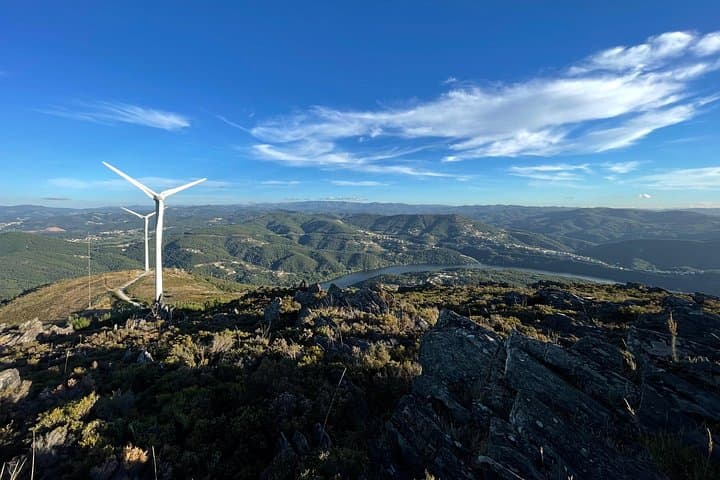
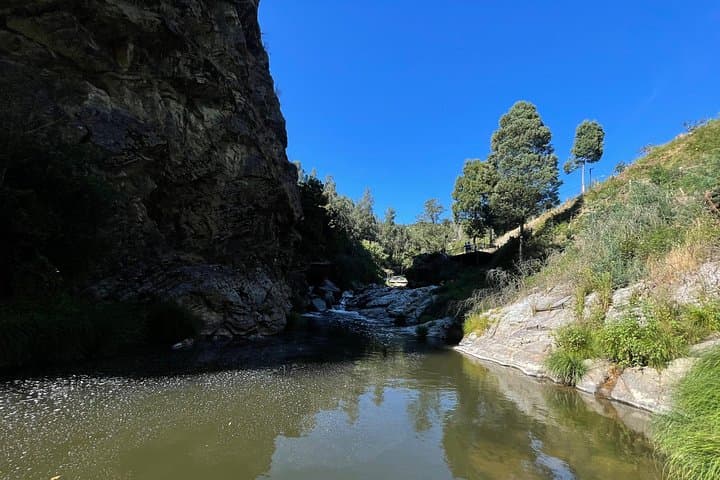
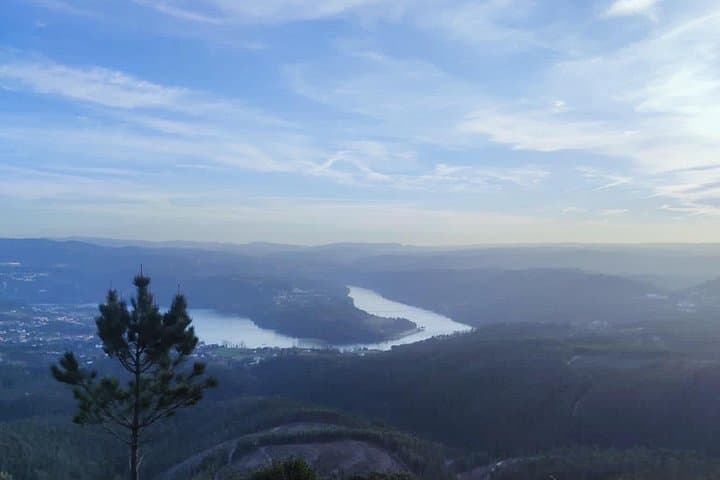
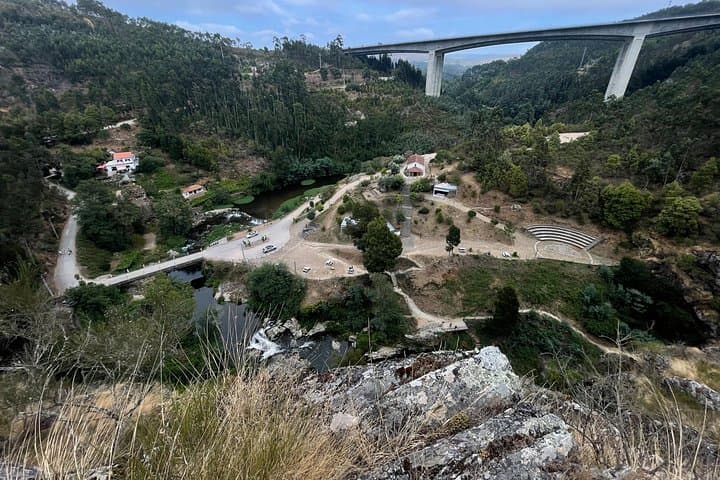
A dusted 4x4 climbs out of the Douro basin at dawn, suspension taking the rhythm of old tracks while the valley below opens in bands of terraced vineyards. The engine hums and the River Ferreira, running beside steep granite beds, seems to dare you to follow its course into quieter villages. Over the next two to three hours the vehicle drops you at stone streets where schist houses and wooden granaries stand firm against wind and time, and restored mills turn slowly as though keeping one foot in the past.
A dusted 4x4 climbs out of the Douro basin at dawn, suspension taking the rhythm of old tracks while the valley below opens in bands of terraced vineyards. The engine hums and the River Ferreira, running beside steep granite beds, seems to dare you to follow its course into quieter villages. Over the next two to three hours the vehicle drops you at stone streets where schist houses and wooden granaries stand firm against wind and time, and restored mills turn slowly as though keeping one foot in the past.
This route crosses the geologic seam between schist and granite that shapes northern Portugal — a landscape cut by the Douro and held in place by dry-stone walls. Culturally, the area preserves rural practices: broa corn bread made in water-powered mills, communal tanks, and wooden espigueiros (granaries) elevated from damp ground. Small hamlets here retain their original layouts and offer direct encounters with agrarian life rather than staged tourism.
Practically, expect short guided walks at several stop points, photo-ready viewpoints, and straightforward terrain: village lanes, farm tracks and gentle valley trails. Guides typically provide bottled water and local context; a private vehicle allows flexible pacing and easier access to off-the-beaten spots. Wear sturdy footwear for uneven cobbles, bring sun protection, and plan the tour in morning or late-afternoon light for cooler temperatures and stronger photography. Respect private farms, stay on marked access, and listen to your guide about seasonal track conditions — the Serra can be muddy after rain. This is a compact, tactile half-day adventure for travelers seeking cultural landscape and quiet rural miles without intensive hiking.