THE ADVENTURE COLLECTIVE® · Independent discovery and booking for outdoor travel

A private full-day 4x4 from Reykjavík along Iceland’s south coast that hits waterfalls, volcanic headlands, black-sand Reynisfjara and the ice-strewn Diamond Beach. Expect a long, scenic day with short walks, glacier views and dramatic coastal geology.
A private full-day 4x4 from Reykjavík along Iceland’s south coast that hits waterfalls, volcanic headlands, black-sand Reynisfjara and the ice-strewn Diamond Beach. Expect a long, scenic day with short walks, glacier views and dramatic coastal geology.
The morning light along Iceland’s south coast feels like a promise: the engine rumbles, the road slips past peat and lava fields, and the 4x4 eats the distance while waterfalls call from the horizon.
Verified experiences and guided adventures in the surrounding area.
Operated by Arctic Out · Jökulsárlón, South Iceland
The morning light along Iceland’s south coast feels like a promise: the engine rumbles, the road slips past peat and lava fields, and the 4x4 eats the distance while waterfalls call from the horizon.
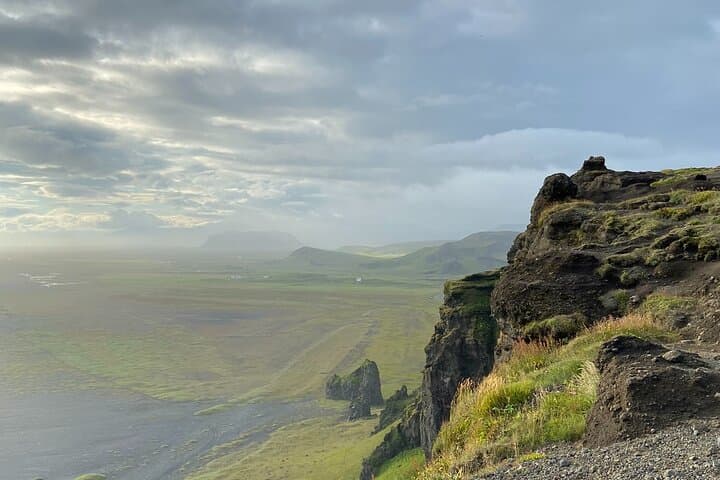
You’ll move from the thundering curtain of Seljalandsfoss and Skógafoss to the stark basalt pillars of Reynisfjara, then onward toward the broad glacial plains and the jewel-like ice fragments on Diamond Beach. Volcanic history is written in black sand and columnar basalt; glaciers carve and feed the lagoons, retreating and reshaping the shoreline with every century. Local fishing villages like Vík and the farms of Mýrdal have lived with this churn—folk tales and cautious respect for the sea remain part of local culture.
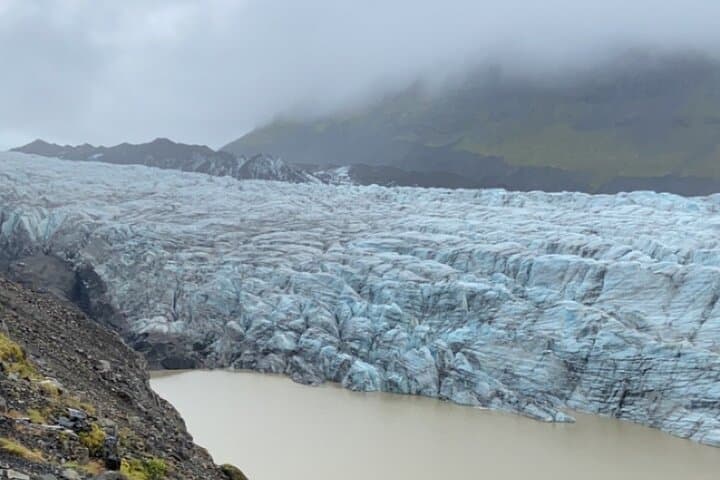
Geology dominates: Eyjafjallajökull and Katla have erupted and sculpted cliffs, while the Breiðamerkurjökull glacier calves into Jökulsárlón, sending ice to scatter as “diamonds” on the beach. Seabirds patrol the headlands and seals patrol the lagoon’s edges, indifferent to our passing.
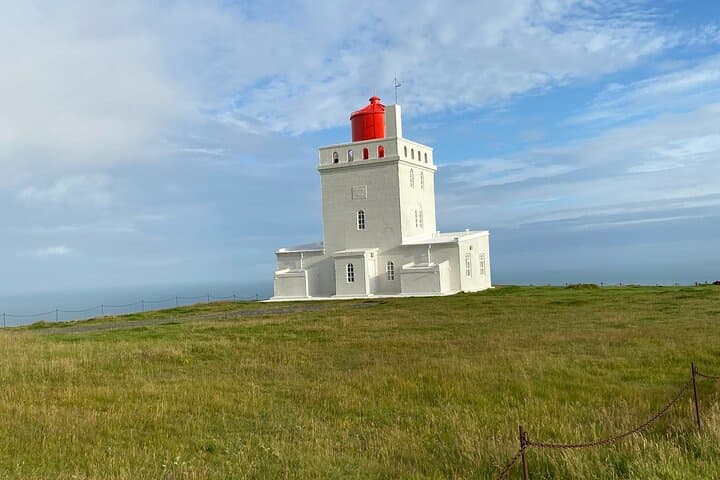
Practical guidance: plan for a long day (expect up to 14 hours), dress for wind and sudden weather shifts, and leave time for photography stops—light changes fast. Walk carefully on black sand and stay behind safety ropes at cliffs and during high surf. If visiting in winter, listen to your guide about safe shorelines and icy paths; in summer, aim for early starts to avoid busier windows. Bring layers, waterproofs, and a charged camera—this route rewards patience and steady pacing.
moderate.
12–14 hours.
Suitable for most fitness levels but requires stamina for a long day with multiple short walks and some stairs/uneven ground.
The private tour runs about 14 hours (approx. 840 minutes); start times vary by operator but typically depart early morning from Reykjavík to maximize daylight.
No single long hike is required—this tour involves several short walks and viewpoints; good mobility and the ability to climb steps is helpful.
General admission to sites is included where noted; boat trips or specialized glacier walks are not included unless specified by the operator.
Operators may cancel for safety in extreme weather; standard policy allows cancellations up to 24 hours for a full refund.
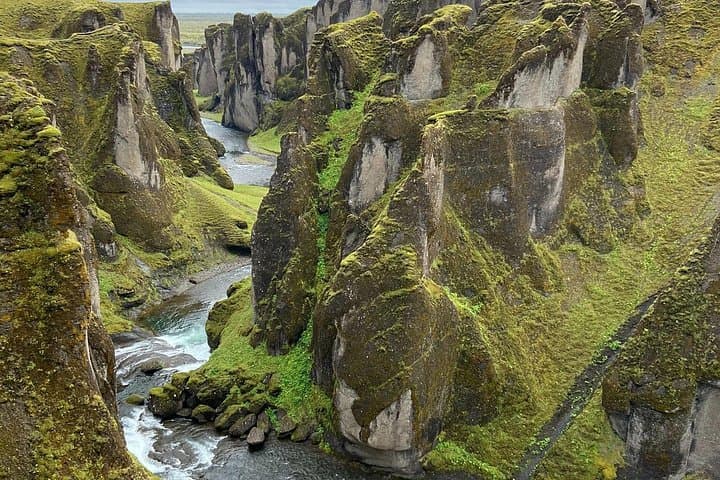
The south coast’s landscape was forged by repeated volcanic eruptions and glacial movement; many farmsteads and villages developed with practical adaptations to ash, floods and shifting coastlines.
Stick to marked trails and boardwalks—vegetation and moss are fragile and trampling accelerates erosion; avoid removing stones or taking natural souvenirs.
Arctic Out operates guided outdoor trips and adventures with an emphasis on safety, stewardship, and memorable experiences.
The morning light along Iceland’s south coast feels like a promise: the engine rumbles, the road slips past peat and lava fields, and the 4x4 eats the distance while waterfalls call from the horizon.
The morning light along Iceland’s south coast feels like a promise: the engine rumbles, the road slips past peat and lava fields, and the 4x4 eats the distance while waterfalls call from the horizon.
You’ll move from the thundering curtain of Seljalandsfoss and Skógafoss to the stark basalt pillars of Reynisfjara, then onward toward the broad glacial plains and the jewel-like ice fragments on Diamond Beach. Volcanic history is written in black sand and columnar basalt; glaciers carve and feed the lagoons, retreating and reshaping the shoreline with every century. Local fishing villages like Vík and the farms of Mýrdal have lived with this churn—folk tales and cautious respect for the sea remain part of local culture.
Geology dominates: Eyjafjallajökull and Katla have erupted and sculpted cliffs, while the Breiðamerkurjökull glacier calves into Jökulsárlón, sending ice to scatter as “diamonds” on the beach. Seabirds patrol the headlands and seals patrol the lagoon’s edges, indifferent to our passing.
Practical guidance: plan for a long day (expect up to 14 hours), dress for wind and sudden weather shifts, and leave time for photography stops—light changes fast. Walk carefully on black sand and stay behind safety ropes at cliffs and during high surf. If visiting in winter, listen to your guide about safe shorelines and icy paths; in summer, aim for early starts to avoid busier windows. Bring layers, waterproofs, and a charged camera—this route rewards patience and steady pacing.