THE ADVENTURE COLLECTIVE® · Independent discovery and booking for outdoor travel

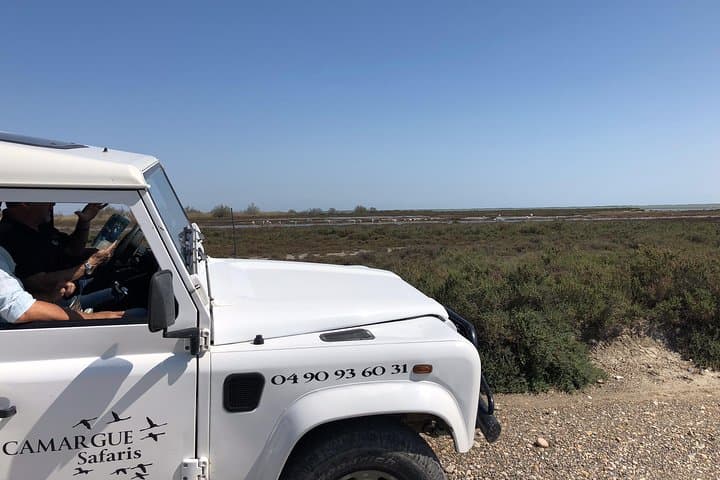
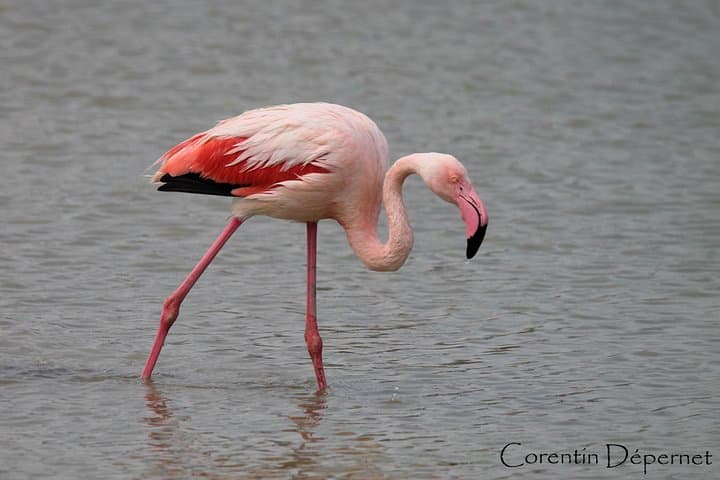
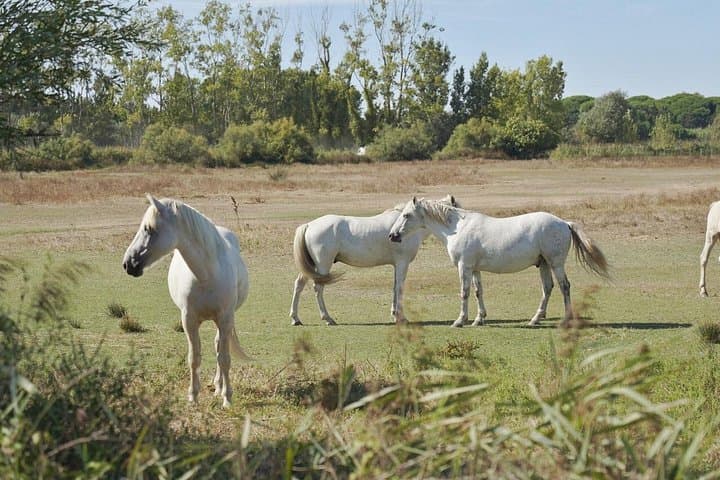
Drive off the beaten road into the Camargue’s salt flats and shallow lagoons on a private 4x4. In four hours you’ll see flamingos, white Camargue horses, and rural shorelines with expert local commentary.
Drive off the beaten road into the Camargue’s salt flats and shallow lagoons on a private 4x4. In four hours you’ll see flamingos, white Camargue horses, and rural shorelines with expert local commentary.
Dust lifts as the 4x4 eases off the tarmac and into the pale tracks of the Camargue. Salt flats spread like cracked mirrors, shallow lagoons hold clouds of pale pink, and the low scrub smells faintly of brine and lavender. The guide, born to this saltland, points out a herd of white Camargue horses moving like slow weather across the marsh.
Verified experiences and guided adventures in the surrounding area.
Operated by Safaris Camargue Alpilles · Arles, Bouches-du-Rhône
Dust lifts as the 4x4 eases off the tarmac and into the pale tracks of the Camargue. Salt flats spread like cracked mirrors, shallow lagoons hold clouds of pale pink, and the low scrub smells faintly of brine and lavender. The guide, born to this saltland, points out a herd of white Camargue horses moving like slow weather across the marsh.
The Camargue is Europe’s largest river delta, sculpted by the Rhône and defined by its salt pans, reed beds and shallow étangs. Human history here is tight to the land: salt extraction and the traditions of the gardians (local cattle herders) shape villages like Saintes-Maries-de-la-Mer, where a centuries-old Romani pilgrimage still gathers each May.
Geology is simple and striking—sediment deposited by the Rhône builds lagoons and sandy spits, and wind reworks those flats into beaches and dunes. Culturally, the territory is raw and practical; food, festivals and fairground rides reflect a working relationship with water, salt and livestock.
Practicalities: this private, four-hour circuit departs from Arles (behind the tourist office), includes short guided stops and a 30-minute free pause in Saintes-Maries-de-la-Mer, and is suitable for all fitness levels. Expect uneven tracks, occasional mud after rain, and close views of birds, horses and bulls from the vehicle or short walks.
Bring sun protection, a refillable water bottle, binoculars and a camera with a telephoto option. Aim for morning or late afternoon light for the best photos and cooler temperatures. Respect fenced pastures and bird nesting areas—this is fragile wetland, not a zoo.
easy.
4 hours.
Minimal fitness required; mostly seated in a 4x4 with brief, gentle walks possible
Yes — the route is low-impact and most of the sightseeing happens from the vehicle; parents should supervise any short walks.
Pickup and drop-off are behind the Arles tourist office, in front of the Best Western Atrium hotel as stated on the voucher.
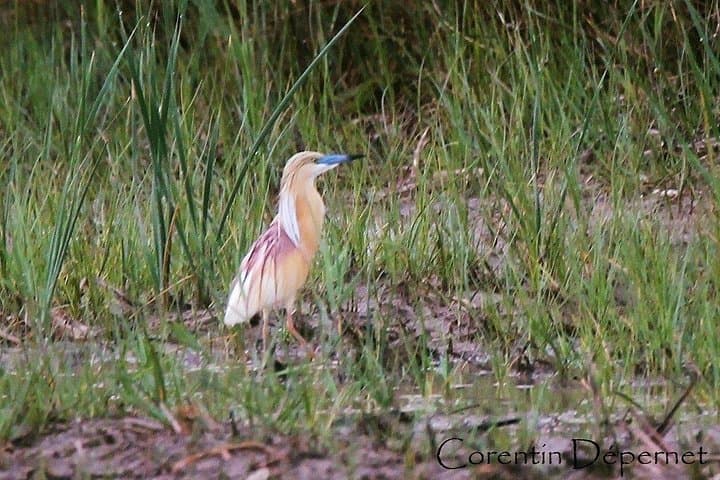
Wildlife is abundant but wild—guides know hotspots and increase your chances of seeing flamingos, horses and bulls, but sightings cannot be guaranteed.
Full refunds are available if you cancel at least 24 hours before departure; tours may be canceled in bad weather.
The Camargue’s culture grew from its salt, cattle and gypsy traditions; Saintes-Maries-de-la-Mer remains a focal point for pilgrimage and local festivals.
The wetlands are ecologically sensitive—stay on tracks, avoid disturbing birds during breeding season and support local reserves and sustainable operators.
Safaris Camargue Alpilles operates guided outdoor trips and adventures with an emphasis on safety, stewardship, and memorable experiences.
Dust lifts as the 4x4 eases off the tarmac and into the pale tracks of the Camargue. Salt flats spread like cracked mirrors, shallow lagoons hold clouds of pale pink, and the low scrub smells faintly of brine and lavender. The guide, born to this saltland, points out a herd of white Camargue horses moving like slow weather across the marsh.
Dust lifts as the 4x4 eases off the tarmac and into the pale tracks of the Camargue. Salt flats spread like cracked mirrors, shallow lagoons hold clouds of pale pink, and the low scrub smells faintly of brine and lavender. The guide, born to this saltland, points out a herd of white Camargue horses moving like slow weather across the marsh.
The Camargue is Europe’s largest river delta, sculpted by the Rhône and defined by its salt pans, reed beds and shallow étangs. Human history here is tight to the land: salt extraction and the traditions of the gardians (local cattle herders) shape villages like Saintes-Maries-de-la-Mer, where a centuries-old Romani pilgrimage still gathers each May.
Geology is simple and striking—sediment deposited by the Rhône builds lagoons and sandy spits, and wind reworks those flats into beaches and dunes. Culturally, the territory is raw and practical; food, festivals and fairground rides reflect a working relationship with water, salt and livestock.
Practicalities: this private, four-hour circuit departs from Arles (behind the tourist office), includes short guided stops and a 30-minute free pause in Saintes-Maries-de-la-Mer, and is suitable for all fitness levels. Expect uneven tracks, occasional mud after rain, and close views of birds, horses and bulls from the vehicle or short walks.
Bring sun protection, a refillable water bottle, binoculars and a camera with a telephoto option. Aim for morning or late afternoon light for the best photos and cooler temperatures. Respect fenced pastures and bird nesting areas—this is fragile wetland, not a zoo.