THE ADVENTURE COLLECTIVE® · Independent discovery and booking for outdoor travel

Spend a private day exploring Rapa Nui’s signature moai, volcanic quarries and the white sand of Anakena Beach. A local guide leads this flexible 4WD tour through the island’s most powerful archaeological sites.
Spend a private day exploring Rapa Nui’s signature moai, volcanic quarries and the white sand of Anakena Beach. A local guide leads this flexible 4WD tour through the island’s most powerful archaeological sites.
The wind off the South Pacific pushes a salt-bright edge across the landscape as the 4WD rumbles away from Hanga Roa toward Anakena. Low volcanic ridges, green grasslands and the occasional carved stone marker set the stage; then the moai appear—silent, monumental, and oddly human against the ocean.
Verified experiences and guided adventures in the surrounding area.
Operated by City Trekking Guide · Hanga Roa, Valparaíso Region
The wind off the South Pacific pushes a salt-bright edge across the landscape as the 4WD rumbles away from Hanga Roa toward Anakena. Low volcanic ridges, green grasslands and the occasional carved stone marker set the stage; then the moai appear—silent, monumental, and oddly human against the ocean.
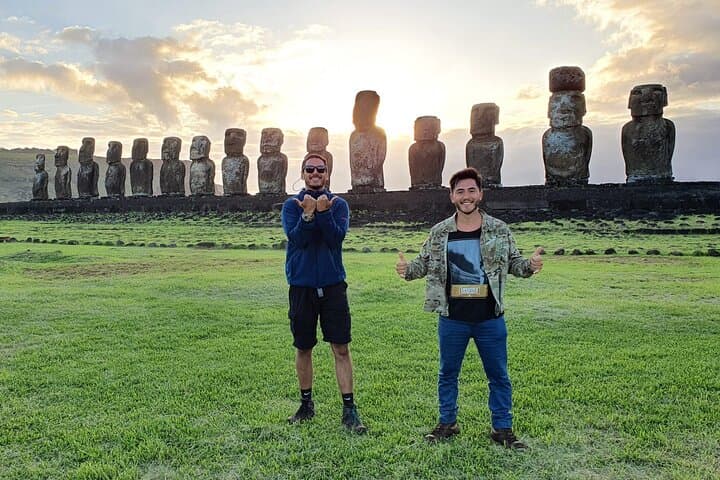
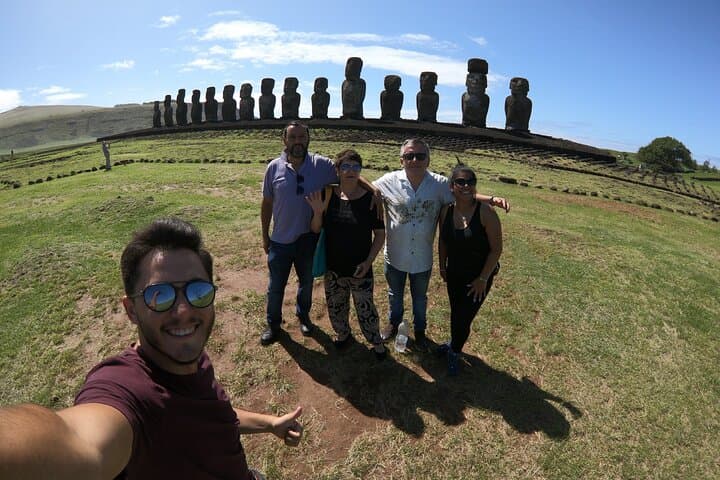
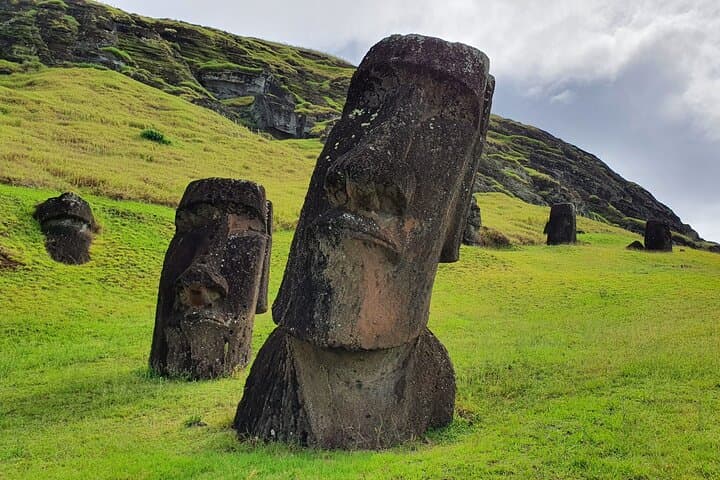
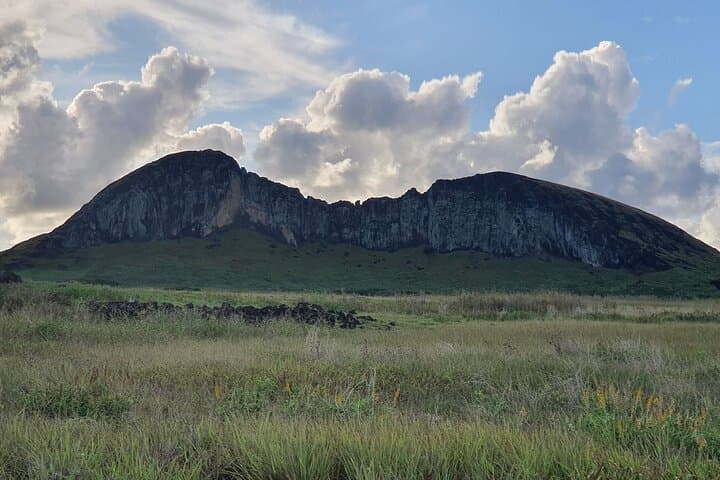
This private full-day tour threads together Vaihu, Akahanga, Ahu Tongariki, Rano Raraku, Te Pito Kura, Ahu Nau Nau and Anakena Beach. Each stop unfolds a piece of Rapa Nui history: the quarry where hundreds of statues were carved, platforms rebuilt after tsunamis, and pockets of red scoria used for pukao. Geologically the island is a trio of extinct volcanoes; the tuff of Rano Raraku and red scoria of Puna Pau explain the moai's variety of shapes. Culturally, these ahu were ceremonial centers tied to ancestor worship and clan identity; visitors encounter oral histories and living traditions shared by Rapa Nui guides.
Expect a mix of short walks on uneven ground, coastal viewpoints, and time to linger at Anakena's sheltered bay. Practical notes: allow 6–7 hours, bring sun protection and layered windproof clothing, and carry water—the island is exposed and weather changes fast. Respect signage and stay off restored platforms. Your guide will manage timing, entrance logistics and local context, and the private format means flexibility for pace and photo stops. Finish with a dip at Anakena or a quiet moment beside the moai—this tour balances archaeology, geology and a tangible sense of place.
moderate.
6–7 hours.
Moderate fitness: comfortable standing and walking for several short sections over uneven ground; able to board a 4WD vehicle
The private tour runs about 6–7 hours (360–420 minutes) including stops, transfers and short walks at each site.
Admission to main archaeological sites is typically included as part of the tour; confirm with your operator at booking.
Infants and small children can use strollers for portions, but expect uneven ground; parents should plan for short carries or sturdy strollers.
Yes, Anakena has calm, clear water suitable for swimming—bring swimwear and a towel; changing rooms and showers may be available for a small fee.
Rapa Nui was settled by Polynesians led by Hotu Matu'a; moai were carved as ancestral figures and moved across the island using communal labor and ingenious methods.
Much of Rapa Nui is a UNESCO World Heritage site; stay on designated trails, avoid touching moai and support locally run guides and cultural projects to minimize impact.
City Trekking Guide operates guided outdoor trips and adventures with an emphasis on safety, stewardship, and memorable experiences.
The wind off the South Pacific pushes a salt-bright edge across the landscape as the 4WD rumbles away from Hanga Roa toward Anakena. Low volcanic ridges, green grasslands and the occasional carved stone marker set the stage; then the moai appear—silent, monumental, and oddly human against the ocean.
The wind off the South Pacific pushes a salt-bright edge across the landscape as the 4WD rumbles away from Hanga Roa toward Anakena. Low volcanic ridges, green grasslands and the occasional carved stone marker set the stage; then the moai appear—silent, monumental, and oddly human against the ocean.
This private full-day tour threads together Vaihu, Akahanga, Ahu Tongariki, Rano Raraku, Te Pito Kura, Ahu Nau Nau and Anakena Beach. Each stop unfolds a piece of Rapa Nui history: the quarry where hundreds of statues were carved, platforms rebuilt after tsunamis, and pockets of red scoria used for pukao. Geologically the island is a trio of extinct volcanoes; the tuff of Rano Raraku and red scoria of Puna Pau explain the moai's variety of shapes. Culturally, these ahu were ceremonial centers tied to ancestor worship and clan identity; visitors encounter oral histories and living traditions shared by Rapa Nui guides.
Expect a mix of short walks on uneven ground, coastal viewpoints, and time to linger at Anakena's sheltered bay. Practical notes: allow 6–7 hours, bring sun protection and layered windproof clothing, and carry water—the island is exposed and weather changes fast. Respect signage and stay off restored platforms. Your guide will manage timing, entrance logistics and local context, and the private format means flexibility for pace and photo stops. Finish with a dip at Anakena or a quiet moment beside the moai—this tour balances archaeology, geology and a tangible sense of place.