THE ADVENTURE COLLECTIVE® · Independent discovery and booking for outdoor travel

Drive across volcanic roads with a private Rapa Nui guide to visit Rano Raraku’s moai quarry, the restored grandeur of Ahu Tongariki and the palm-fringed Anakena Beach. This full-day private 4WD tour pairs archaeology, geology and coastal scenery with flexible pickup and bilingual guidance.
Drive across volcanic roads with a private Rapa Nui guide to visit Rano Raraku’s moai quarry, the restored grandeur of Ahu Tongariki and the palm-fringed Anakena Beach. This full-day private 4WD tour pairs archaeology, geology and coastal scenery with flexible pickup and bilingual guidance.
The tour begins with dust and sea air: your 4WD eases out of Hanga Roa, tires crunching over volcanic gravel, and the Pacific wind pushes the island’s stories toward you. Your local Rapa Nui guide sets the pace—stopping where the road meets ruined platforms, where toppled moai stare inland and the coastline stretches wide. The day moves from coastal platforms to the raw slopes of Rano Raraku and finishes with the palms and white sand of Anakena.
Verified experiences and guided adventures in the surrounding area.
Operated by City Trekking Guide · Hanga Roa, Valparaíso Region
The tour begins with dust and sea air: your 4WD eases out of Hanga Roa, tires crunching over volcanic gravel, and the Pacific wind pushes the island’s stories toward you. Your local Rapa Nui guide sets the pace—stopping where the road meets ruined platforms, where toppled moai stare inland and the coastline stretches wide. The day moves from coastal platforms to the raw slopes of Rano Raraku and finishes with the palms and white sand of Anakena.
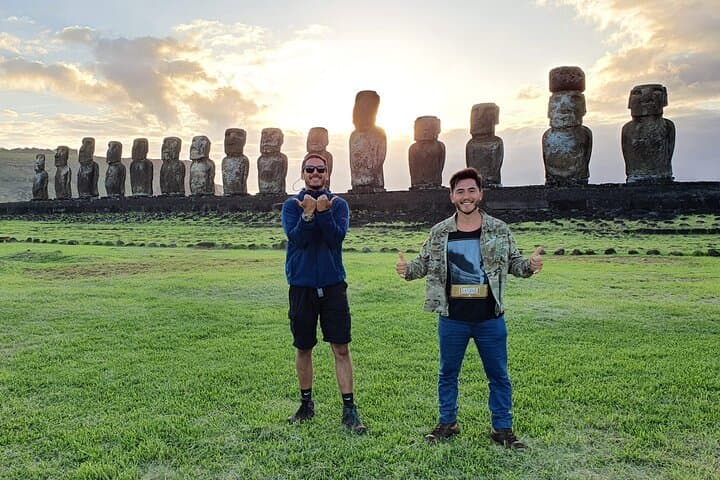
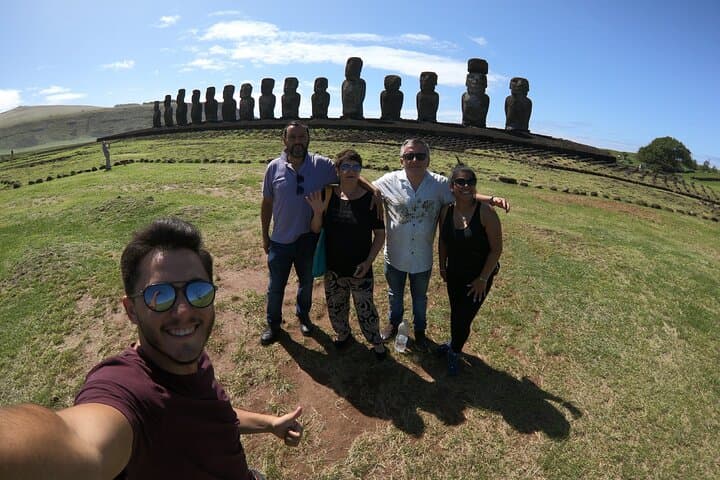
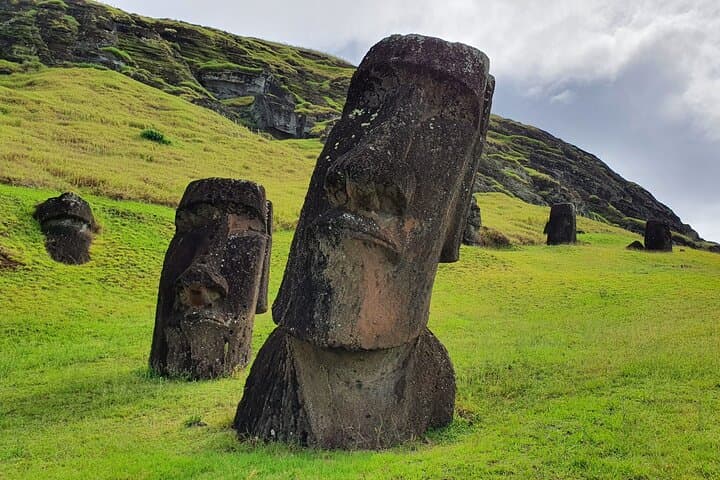
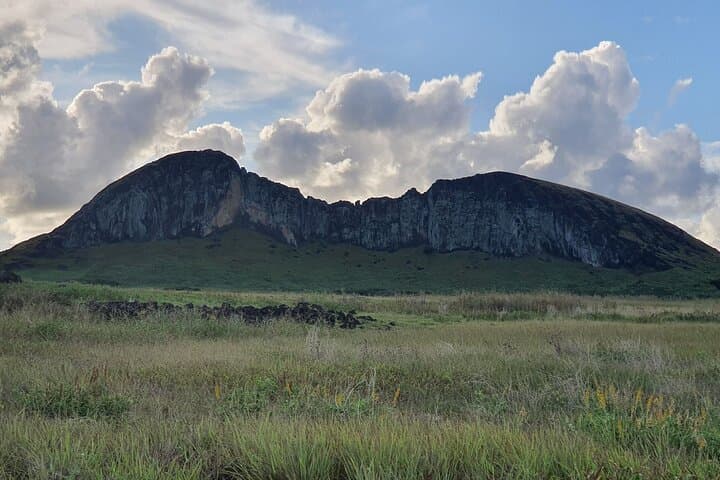
Easter Island’s archaeology reads like a human ledger carved in stone. Rano Raraku is a volcanic quarry of tuff where sculptors left hundreds of statues in various stages of completion; Ahu Tongariki’s restored line of fifteen moai demonstrates the islanders’ engineering, while Ahu Akahanga shows unrestored ruins tied to early tribal conflict and the legend of Hotu Matu’a. Geologically, the island is a chain of volcanic cones—tuff, basalt and the red scoria used for pukao give the moai different textures and colors.
Culturally, a Rapa Nui guide will weave language, ritual and practical craft—how statues were moved, how platforms mark lineage—into the stops. Expect walking across uneven ground, short climbs, and ocean-swept viewpoints.
Practical notes: this private 6–7 hour tour includes hotel pickup in an air-conditioned vehicle, bottled water and a bilingual guide plus a pre-trip online advisory. Wear sturdy shoes, sun protection and carry a small daypack; timing matters—early light at Tongariki and late afternoon at Anakena both offer clearer photos and softer winds. Changing rooms and showers are available at Anakena for a small fee if you plan to swim after the walk.
moderate.
6–7 hours.
Moderate fitness—able to walk 1–3 miles over uneven, sometimes rocky ground and climb short slopes.
The tour lasts about 6–7 hours and includes hotel pickup, private transport in an air-conditioned 4WD, a bilingual Rapa Nui guide, bottled water, and pre-trip advisory.
Physical demand is moderate—most stops involve short walks on uneven volcanic terrain; participants should be able to walk short distances and manage steps and slopes.
Yes—Anakena has a sandy beach and swimming is common; changing rooms and showers are available for a small fee and guides can arrange extra time if requested.
Admission to the main archaeological sites visited is included as part of this private tour itinerary.
Rapa Nui culture flourished between the 13th and 17th centuries; the island’s moai and ahu mark clan lineage, ritual power and the islanders’ mastery of stonework.
Visitors are asked to stay on marked paths and not touch the moai; local conservation balances tourism with protecting fragile archaeological sites and native flora.
City Trekking Guide operates guided outdoor trips and adventures with an emphasis on safety, stewardship, and memorable experiences.
The tour begins with dust and sea air: your 4WD eases out of Hanga Roa, tires crunching over volcanic gravel, and the Pacific wind pushes the island’s stories toward you. Your local Rapa Nui guide sets the pace—stopping where the road meets ruined platforms, where toppled moai stare inland and the coastline stretches wide. The day moves from coastal platforms to the raw slopes of Rano Raraku and finishes with the palms and white sand of Anakena.
The tour begins with dust and sea air: your 4WD eases out of Hanga Roa, tires crunching over volcanic gravel, and the Pacific wind pushes the island’s stories toward you. Your local Rapa Nui guide sets the pace—stopping where the road meets ruined platforms, where toppled moai stare inland and the coastline stretches wide. The day moves from coastal platforms to the raw slopes of Rano Raraku and finishes with the palms and white sand of Anakena.
Easter Island’s archaeology reads like a human ledger carved in stone. Rano Raraku is a volcanic quarry of tuff where sculptors left hundreds of statues in various stages of completion; Ahu Tongariki’s restored line of fifteen moai demonstrates the islanders’ engineering, while Ahu Akahanga shows unrestored ruins tied to early tribal conflict and the legend of Hotu Matu’a. Geologically, the island is a chain of volcanic cones—tuff, basalt and the red scoria used for pukao give the moai different textures and colors.
Culturally, a Rapa Nui guide will weave language, ritual and practical craft—how statues were moved, how platforms mark lineage—into the stops. Expect walking across uneven ground, short climbs, and ocean-swept viewpoints.
Practical notes: this private 6–7 hour tour includes hotel pickup in an air-conditioned vehicle, bottled water and a bilingual guide plus a pre-trip online advisory. Wear sturdy shoes, sun protection and carry a small daypack; timing matters—early light at Tongariki and late afternoon at Anakena both offer clearer photos and softer winds. Changing rooms and showers are available at Anakena for a small fee if you plan to swim after the walk.