THE ADVENTURE COLLECTIVE® · Independent discovery and booking for outdoor travel

Glide between Luxor and Aswan on a private four-night Nile cruise that pairs sunrise river travel with guided visits to Karnak, the Valley of the Kings, Edfu, Kom Ombo and Philae. Full-board cruising makes this a convenient way to see major monuments with curated shore excursions.
Glide between Luxor and Aswan on a private four-night Nile cruise that pairs sunrise river travel with guided visits to Karnak, the Valley of the Kings, Edfu, Kom Ombo and Philae. Full-board cruising makes this a convenient way to see major monuments with curated shore excursions.
Dawn skims the Nile in gold and the cruise slips away from Luxor's quays with the slow, confident motion of a river that has carried civilizations for millennia. Onboard, wood decks warm underfoot and the call to prayer mixes with the clink of breakfast cutlery; ashore, stone facades and colonnades wait like chapters of an open book.
Verified experiences and guided adventures in the surrounding area.
Operated by 3 stars travel · Luxor, Luxor Governorate
Dawn skims the Nile in gold and the cruise slips away from Luxor's quays with the slow, confident motion of a river that has carried civilizations for millennia. Onboard, wood decks warm underfoot and the call to prayer mixes with the clink of breakfast cutlery; ashore, stone facades and colonnades wait like chapters of an open book.
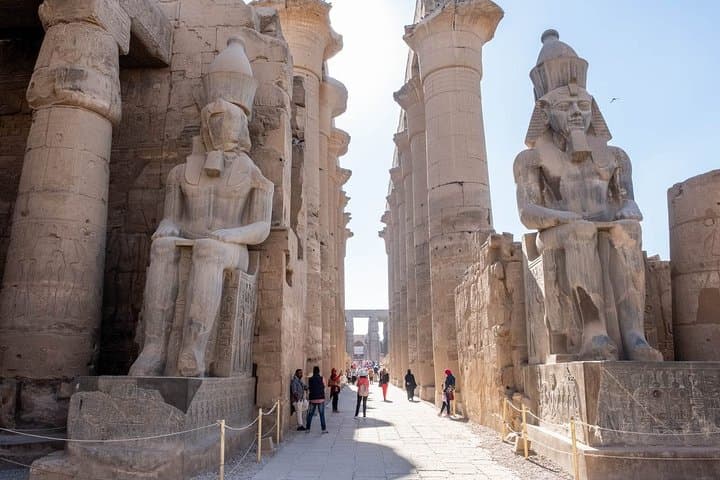
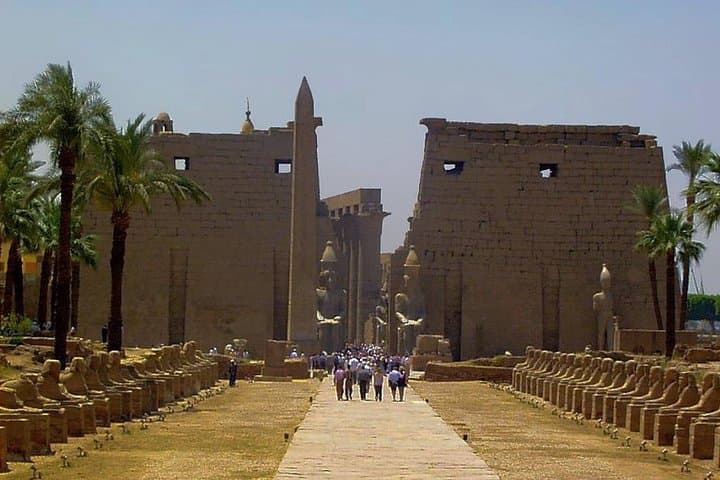
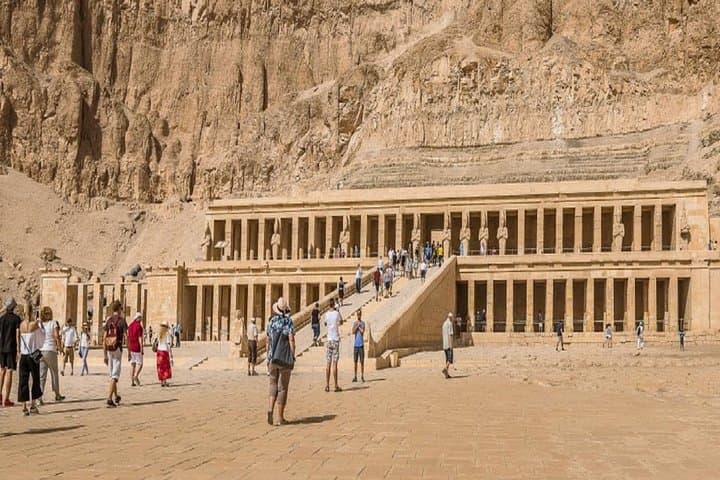
This four-night itinerary threads Egypt's most iconic sites: the Karnak and Luxor complexes on the East Bank, the Valley of the Kings and Deir el-Bahari on the West, then Edfu's Temple of Horus and the twin-sanctuary of Kom Ombo before Aswan's High Dam and the relocated Philae complex. Geologically, the route traces the Nile's floodplain where alluvial silt made agriculture and temple-building feasible; culturally the monuments span dynasties from the New Kingdom through Roman occupation.
Practical guidance is direct: boarding typically occurs before lunch in Luxor, with full-board meals on the ship and guided shore visits. Expect short, uneven walks on archaeological sites and multiple short transfers; the tour operator lists the program as accessible and suitable for most fitness levels. Bring layered clothing for cool mornings and hot afternoons, sun protection, and comfortable walking shoes with good tread for sandy or stone surfaces. Stay hydrated—water is essential on midday excursions—and carry a small daypack for valuables and a camera.
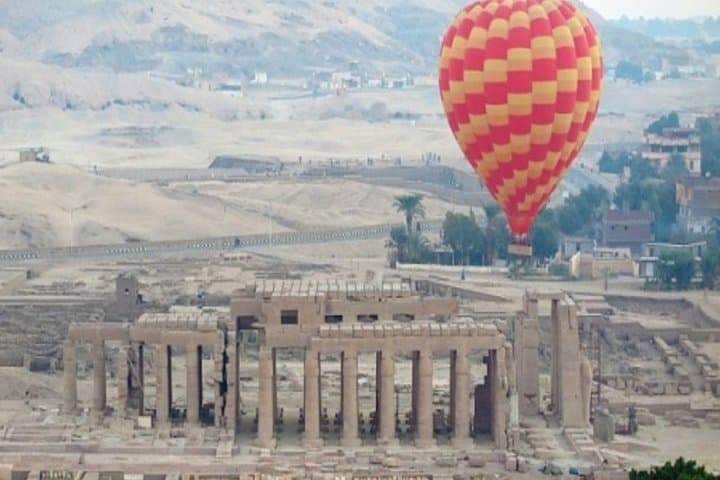
Optional extras include a hot-air balloon over the Valley of the Kings and a long-day trip to Abu Simbel. It’s a compact, layered way to experience the Nile: relaxed travel between concentrated windows of history.
easy.
4–5 days.
Suitable for travelers with basic mobility; able to manage short walks, stairs and transfers between ship and shore.
Most shore visits include admission as part of the tour, but optional extras (like the hot-air balloon or Abu Simbel transfer) may not be included; confirm at booking.
The operator lists the itinerary as suitable for all fitness levels and wheelchair accessible for main transport, but some archaeological sites have stairs and uneven ground — contact the operator for specific accessibility arrangements.
Yes — the Abu Simbel excursion is offered as an optional full-day tour from Aswan and requires an early start and additional transport time.
Carry some Egyptian pounds for small purchases and tips; tipping guides and crew is customary and often expected.
The Nile corridor supported ancient Egyptian civilization by depositing rich silt that enabled sustained agriculture and temple-building across dynasties.
Tourism pressure and river traffic stress fragile monuments and ecosystems; follow site rules, avoid touching reliefs, and use local guides who practice low-impact visiting.
3 stars travel operates guided outdoor trips and adventures with an emphasis on safety, stewardship, and memorable experiences.
Dawn skims the Nile in gold and the cruise slips away from Luxor's quays with the slow, confident motion of a river that has carried civilizations for millennia. Onboard, wood decks warm underfoot and the call to prayer mixes with the clink of breakfast cutlery; ashore, stone facades and colonnades wait like chapters of an open book.
Dawn skims the Nile in gold and the cruise slips away from Luxor's quays with the slow, confident motion of a river that has carried civilizations for millennia. Onboard, wood decks warm underfoot and the call to prayer mixes with the clink of breakfast cutlery; ashore, stone facades and colonnades wait like chapters of an open book.
This four-night itinerary threads Egypt's most iconic sites: the Karnak and Luxor complexes on the East Bank, the Valley of the Kings and Deir el-Bahari on the West, then Edfu's Temple of Horus and the twin-sanctuary of Kom Ombo before Aswan's High Dam and the relocated Philae complex. Geologically, the route traces the Nile's floodplain where alluvial silt made agriculture and temple-building feasible; culturally the monuments span dynasties from the New Kingdom through Roman occupation.
Practical guidance is direct: boarding typically occurs before lunch in Luxor, with full-board meals on the ship and guided shore visits. Expect short, uneven walks on archaeological sites and multiple short transfers; the tour operator lists the program as accessible and suitable for most fitness levels. Bring layered clothing for cool mornings and hot afternoons, sun protection, and comfortable walking shoes with good tread for sandy or stone surfaces. Stay hydrated—water is essential on midday excursions—and carry a small daypack for valuables and a camera.
Optional extras include a hot-air balloon over the Valley of the Kings and a long-day trip to Abu Simbel. It’s a compact, layered way to experience the Nile: relaxed travel between concentrated windows of history.