THE ADVENTURE COLLECTIVE® · Independent discovery and booking for outdoor travel

Walk from Bowling Green through the financial heart of Manhattan to the 9/11 Memorial with a private guide. This four-hour tour blends street-level history, architecture, and respectful time at the memorial for a focused urban exploration.
Walk from Bowling Green through the financial heart of Manhattan to the 9/11 Memorial with a private guide. This four-hour tour blends street-level history, architecture, and respectful time at the memorial for a focused urban exploration.
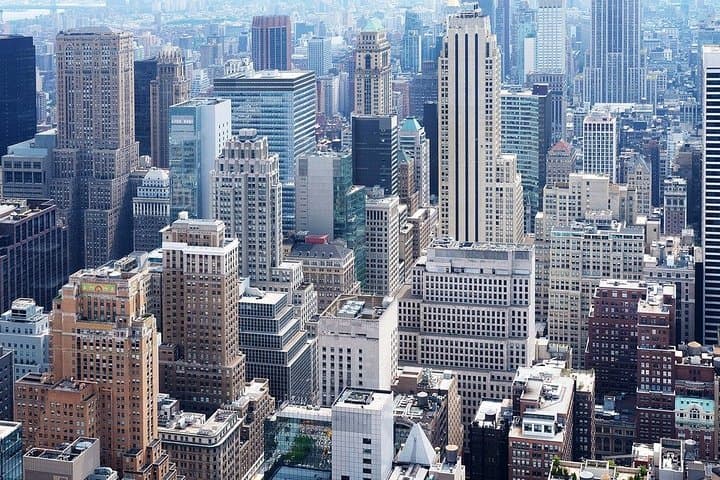
The guide leads the group out of Bowling Green and into a city that still moves at the pace of commerce and memory. Cobbled streets give way to glass towers; the air carries the tang of the harbor and, if you face west, the Hudson dares you to look beyond the skyline. In four hours visitors move through neighborhoods where layers of history remain visible in brick, bronze, and pavement.
Verified experiences and guided adventures in the surrounding area.
Operated by Tour Travel & More · New York, New York
The guide leads the group out of Bowling Green and into a city that still moves at the pace of commerce and memory. Cobbled streets give way to glass towers; the air carries the tang of the harbor and, if you face west, the Hudson dares you to look beyond the skyline. In four hours visitors move through neighborhoods where layers of history remain visible in brick, bronze, and pavement.
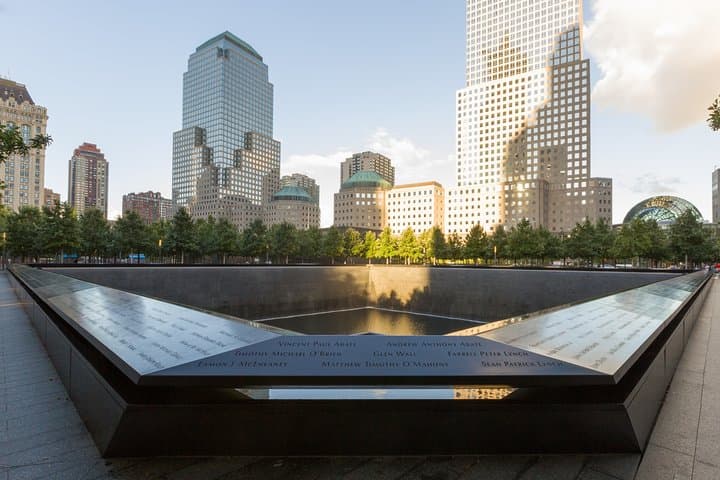
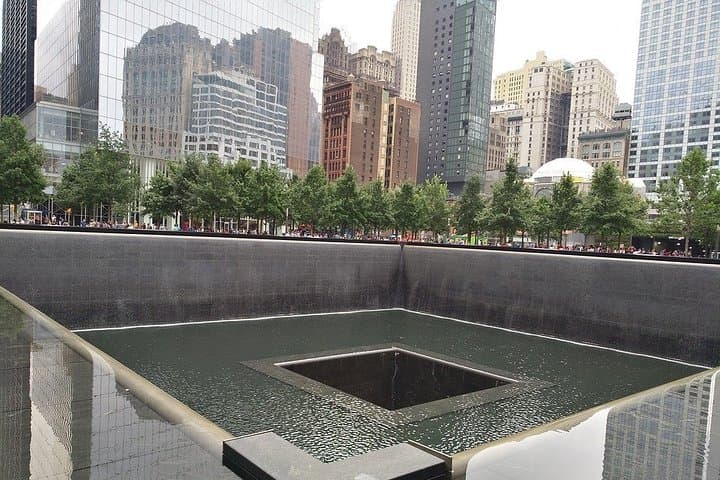
Downtown Manhattan is 400 years of settlement and reinvention — Dutch trading posts, colonial churches, the rise of Wall Street as a global financial hub, and the reshaping after 2001 around the footprints of the World Trade Center. Geologically the island sits on glacial deposits and Manhattan schist, the bedrock that allowed skyscrapers to root where they stand. Culturally, the area is a mix of institutional gravity and neighborhood grit: historic taverns, narrow alleys, and public art projects sit next to high-security memorial spaces.
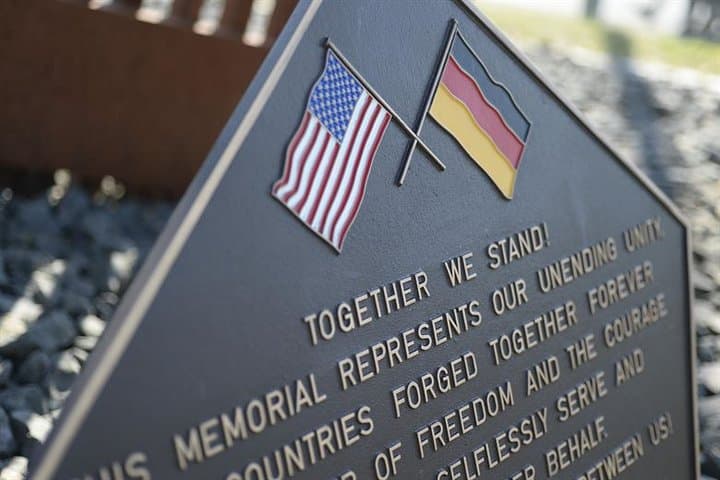
Practical guidance is straightforward: expect steady walking across uneven sidewalks and short staircases, with frequent stops for interpretation at places like Trinity Church, the Stock Exchange, and the 9/11 Memorial. The museum requires separate tickets; the outdoor memorial plaza is accessible and solemn — follow the guide's cues and local rules. Bring a refillable water bottle, wear supportive shoes, and plan for urban weather: sun on glass facades can be intense in summer and wind tunnels form near the waterfront in winter. Public transit is the easiest way to arrive; tours typically return near the starting point. For visitors who want context, ask the guide about post-9/11 rebuilding, the neighborhood's colonial roots, and how modern security reshaped public space.
easy.
4 hours.
Suitable for most fitness levels; participants should be comfortable standing and walking for several hours and navigating short staircases.
The tour starts near Bowling Green and typically returns to that general area or another agreed central drop-off within lower Manhattan.
No, entrance to the 9/11 Memorial plaza is included in route stops but museum tickets are not included and should be purchased separately.
The outdoor route includes paved plazas and sidewalks but also some curbs and transit access; contact the operator ahead to confirm accessibility accommodations.
Small bags are fine; large luggage is not recommended. Strollers can be used on sidewalks but expect occasional stairs—consult the guide about alternate routes.
Downtown Manhattan began as New Amsterdam under the Dutch in the 17th century; Wall Street evolved from a defensive wall to the center of global finance, and the 2001 attacks reshaped the neighborhood's urban and social landscape.
The 9/11 Memorial has strict visitor rules to protect the site and honor victims; use public transit and avoid single-use plastics to reduce urban environmental impact.
Tour Travel & More operates guided outdoor trips and adventures with an emphasis on safety, stewardship, and memorable experiences.
The guide leads the group out of Bowling Green and into a city that still moves at the pace of commerce and memory. Cobbled streets give way to glass towers; the air carries the tang of the harbor and, if you face west, the Hudson dares you to look beyond the skyline. In four hours visitors move through neighborhoods where layers of history remain visible in brick, bronze, and pavement.
The guide leads the group out of Bowling Green and into a city that still moves at the pace of commerce and memory. Cobbled streets give way to glass towers; the air carries the tang of the harbor and, if you face west, the Hudson dares you to look beyond the skyline. In four hours visitors move through neighborhoods where layers of history remain visible in brick, bronze, and pavement.
Downtown Manhattan is 400 years of settlement and reinvention — Dutch trading posts, colonial churches, the rise of Wall Street as a global financial hub, and the reshaping after 2001 around the footprints of the World Trade Center. Geologically the island sits on glacial deposits and Manhattan schist, the bedrock that allowed skyscrapers to root where they stand. Culturally, the area is a mix of institutional gravity and neighborhood grit: historic taverns, narrow alleys, and public art projects sit next to high-security memorial spaces.
Practical guidance is straightforward: expect steady walking across uneven sidewalks and short staircases, with frequent stops for interpretation at places like Trinity Church, the Stock Exchange, and the 9/11 Memorial. The museum requires separate tickets; the outdoor memorial plaza is accessible and solemn — follow the guide's cues and local rules. Bring a refillable water bottle, wear supportive shoes, and plan for urban weather: sun on glass facades can be intense in summer and wind tunnels form near the waterfront in winter. Public transit is the easiest way to arrive; tours typically return near the starting point. For visitors who want context, ask the guide about post-9/11 rebuilding, the neighborhood's colonial roots, and how modern security reshaped public space.