THE ADVENTURE COLLECTIVE® · Independent discovery and booking for outdoor travel

Walk Nagasaki’s sakura-lined parks with a local host on this private four-hour hanami experience. Visit riverfront blooms, shop a depachika for a bento, and end at Kazagashira Park for panoramic views and calm reflection.
Walk Nagasaki’s sakura-lined parks with a local host on this private four-hour hanami experience. Visit riverfront blooms, shop a depachika for a bento, and end at Kazagashira Park for panoramic views and calm reflection.
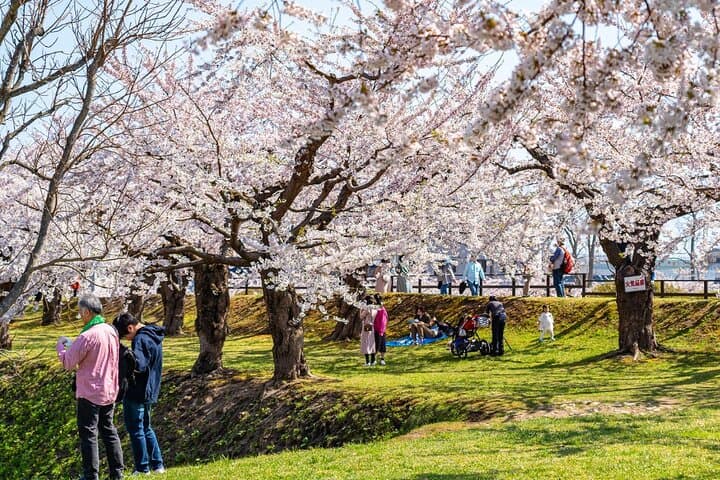
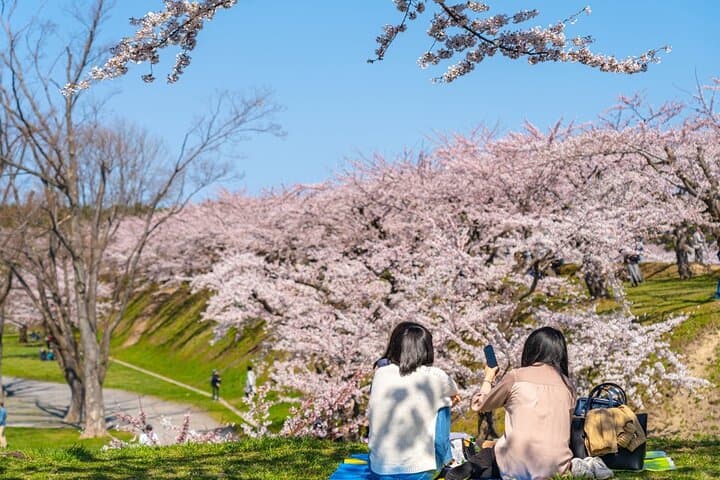
Morning light slips through pale pink petals as you step into a park that reads like a local memory book: children chasing petals, elders pausing under branches, and the Nakashima River threading the scene with a slow, daring current.
Verified experiences and guided adventures in the surrounding area.
Operated by City Unscripted · Nagasaki, Nagasaki Prefecture
Morning light slips through pale pink petals as you step into a park that reads like a local memory book: children chasing petals, elders pausing under branches, and the Nakashima River threading the scene with a slow, daring current.
This four-hour private hanami stroll moves between historic green spaces and the urban hum near Amu Plaza. Nagasaki’s geography — a city cradled by hills and inlets — concentrates views and creates pockets where sakura appear in early, bright displays. The guide links each stop to the city’s port history and multicultural past while translating the etiquette of hanami: quiet appreciation, shared food, and careful respect for the trees.
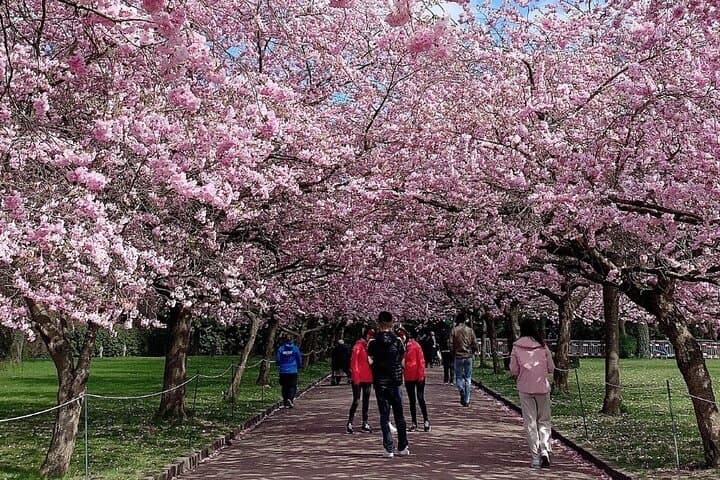
You’ll visit a main park where older cherry trees arch over stone paths, walk riverfront alleys favored by locals, shop a depachika at Amu Plaza to assemble a seasonal bento, and finish at Kazagashira Park with its broad outlook over Nagasaki Bay. The pace is gentle: mostly paved walking with short inclines, accessible to most abilities.
Practical points — go near peak bloom (often late March–early April), bring a light layer for coastal breezes, and pack a small reusable bag for trash to follow local rules. Shoes should be comfortable for city walking; a compact umbrella helps in spring rain.
The experience balances storytelling and sensory moments: sakura petals brushing shoulders, riverbanks cupping reflection, and a private host who turns familiar scenes into local insight — practical, calm, and distinctly Japanese in rhythm.
easy.
4 hours.
Light walking ability; suitable for most travelers who can walk for several short stretches over flat and mildly sloping paved surfaces.
Peak bloom typically falls in late March to early April, but timing shifts annually; check local forecasts for the specific year.
Yes — the route uses mostly paved areas and the listing notes wheelchair accessibility, but mention any mobility needs when booking so the host can accommodate you.
A traditional picnic is included — a bento box, shared sushi platter, Japanese sweets, and two drinks are provided during the four-hour experience.
Yes — strollers are accommodated and infants must sit on an adult’s lap during portions that require seating; notify the host at booking about young children.
Nagasaki grew as a port where international trade and cultural exchange shaped public spaces; hanami here blends long-standing Japanese tradition with local community rhythms.
Visitors are asked to follow hanami etiquette—avoid breaking branches, pack out trash, and use designated areas to protect root systems and future blooms.
City Unscripted operates guided outdoor trips and adventures with an emphasis on safety, stewardship, and memorable experiences.
Morning light slips through pale pink petals as you step into a park that reads like a local memory book: children chasing petals, elders pausing under branches, and the Nakashima River threading the scene with a slow, daring current.
Morning light slips through pale pink petals as you step into a park that reads like a local memory book: children chasing petals, elders pausing under branches, and the Nakashima River threading the scene with a slow, daring current.
This four-hour private hanami stroll moves between historic green spaces and the urban hum near Amu Plaza. Nagasaki’s geography — a city cradled by hills and inlets — concentrates views and creates pockets where sakura appear in early, bright displays. The guide links each stop to the city’s port history and multicultural past while translating the etiquette of hanami: quiet appreciation, shared food, and careful respect for the trees.
You’ll visit a main park where older cherry trees arch over stone paths, walk riverfront alleys favored by locals, shop a depachika at Amu Plaza to assemble a seasonal bento, and finish at Kazagashira Park with its broad outlook over Nagasaki Bay. The pace is gentle: mostly paved walking with short inclines, accessible to most abilities.
Practical points — go near peak bloom (often late March–early April), bring a light layer for coastal breezes, and pack a small reusable bag for trash to follow local rules. Shoes should be comfortable for city walking; a compact umbrella helps in spring rain.
The experience balances storytelling and sensory moments: sakura petals brushing shoulders, riverbanks cupping reflection, and a private host who turns familiar scenes into local insight — practical, calm, and distinctly Japanese in rhythm.