THE ADVENTURE COLLECTIVE® · Independent discovery and booking for outdoor travel

A private four-day itinerary that threads the Sacred Valley’s living Inca sites with a guided visit to Machu Picchu. Expect varied elevations, short guided walks, Vistadome rail travel and cultural market stops.
A private four-day itinerary that threads the Sacred Valley’s living Inca sites with a guided visit to Machu Picchu. Expect varied elevations, short guided walks, Vistadome rail travel and cultural market stops.
You step off the Vistadome train with the river still arguing with the canyon below and the cloud line skirting the ridges—Machupicchu Pueblo smells of wet stone and roasted coffee. Over four days this private itinerary moves through high-altitude farmlands and Inca stonework: Pisaq’s cliffside terraces, the living fortress at Ollantaytambo, the geometric sinkholes of Moray, the sun-baked pans of Maras, and finally Machu Picchu’s stepped plazas.
Verified experiences and guided adventures in the surrounding area.
Operated by Kantu Peru Tours · Cusco, Cusco
You step off the Vistadome train with the river still arguing with the canyon below and the cloud line skirting the ridges—Machupicchu Pueblo smells of wet stone and roasted coffee. Over four days this private itinerary moves through high-altitude farmlands and Inca stonework: Pisaq’s cliffside terraces, the living fortress at Ollantaytambo, the geometric sinkholes of Moray, the sun-baked pans of Maras, and finally Machu Picchu’s stepped plazas.
The Sacred Valley was the Inca agricultural backbone—microclimates at 2,800–3,600 m produced maize, potatoes and quinoa. Geology here is folded Andean bedrock carved by the Urubamba; the valley floor drops toward the humid montane forest where Machu Picchu sits at ~2,430 m. Cultural threads are visible in weavers’ markets of Chinchero and in water channels the Incas still use.
Practically, expect short guided walks at each site: Pisaq involves carved stairways and up to 150–300 m of elevation change; the Machu Picchu circuit covers roughly 2–3 km on uneven stone with steps. Weather shifts fast—sun, wind and rain can arrive in an hour—so layer. The tour includes Vistadome train, private transfers, 2-hour guided Machu Picchu visit (Circuit 2 subject to availability), lunches and entrance fees, with hotel nights in the Sacred Valley and Cusco.
Plan 48 hours in Cusco beforehand to acclimatize, carry ID for Machu Picchu tickets, and bring small bills for market purchases. Move deliberately at altitude, let the landscape lead the pace, and stay on designated paths to protect fragile terraces.
moderate.
4 days.
Suitable for travelers in average fitness; ability to walk 2–4 km on uneven terrain and handle stairs at altitude is recommended
Yes—this tour includes Machu Picchu entrance (Circuit 2 when available); if Circuit 2 is sold out the operator will reassign you to an available circuit.
Altitude affects people differently; acclimatize in Cusco for 24–48 hours, hydrate, move slowly, and consult a physician about acetazolamide if you have a history of severe symptoms.
Yes—the Vistadome rail segment between Ollantaytambo and Aguas Calientes is included and offers panoramic windows for the valley scenery.
Families are welcome; the tour is private and suitable for children used to long travel and stairs, but parents should monitor altitude effects and mobility on uneven sites.
The Sacred Valley was cultivated by the Incas as a food-production zone for Cusco and displays agricultural engineering like Moray’s concentric terraces.
Machu Picchu controls visitor numbers and designated circuits to protect ruins; stay on marked paths, avoid single-use plastics, and support local guides and artisans.
Kantu Peru Tours operates guided outdoor trips and adventures with an emphasis on safety, stewardship, and memorable experiences.
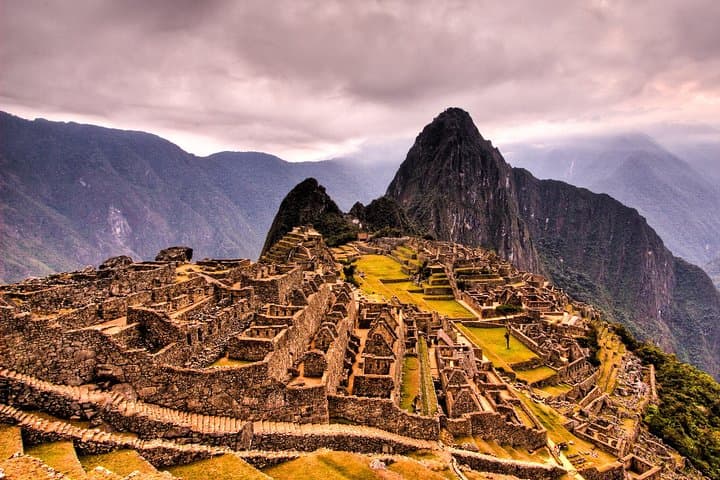
You step off the Vistadome train with the river still arguing with the canyon below and the cloud line skirting the ridges—Machupicchu Pueblo smells of wet stone and roasted coffee. Over four days this private itinerary moves through high-altitude farmlands and Inca stonework: Pisaq’s cliffside terraces, the living fortress at Ollantaytambo, the geometric sinkholes of Moray, the sun-baked pans of Maras, and finally Machu Picchu’s stepped plazas.
You step off the Vistadome train with the river still arguing with the canyon below and the cloud line skirting the ridges—Machupicchu Pueblo smells of wet stone and roasted coffee. Over four days this private itinerary moves through high-altitude farmlands and Inca stonework: Pisaq’s cliffside terraces, the living fortress at Ollantaytambo, the geometric sinkholes of Moray, the sun-baked pans of Maras, and finally Machu Picchu’s stepped plazas.
The Sacred Valley was the Inca agricultural backbone—microclimates at 2,800–3,600 m produced maize, potatoes and quinoa. Geology here is folded Andean bedrock carved by the Urubamba; the valley floor drops toward the humid montane forest where Machu Picchu sits at ~2,430 m. Cultural threads are visible in weavers’ markets of Chinchero and in water channels the Incas still use.
Practically, expect short guided walks at each site: Pisaq involves carved stairways and up to 150–300 m of elevation change; the Machu Picchu circuit covers roughly 2–3 km on uneven stone with steps. Weather shifts fast—sun, wind and rain can arrive in an hour—so layer. The tour includes Vistadome train, private transfers, 2-hour guided Machu Picchu visit (Circuit 2 subject to availability), lunches and entrance fees, with hotel nights in the Sacred Valley and Cusco.
Plan 48 hours in Cusco beforehand to acclimatize, carry ID for Machu Picchu tickets, and bring small bills for market purchases. Move deliberately at altitude, let the landscape lead the pace, and stay on designated paths to protect fragile terraces.