THE ADVENTURE COLLECTIVE® · Independent discovery and booking for outdoor travel

A private 4-day trek along the Classic Inca Trail that culminates with sunrise at the Sun Gate over Machu Picchu. Expect steep stone stairways, high passes to 4,215 m, intimate ruins and camping with staffed porters and cooks.
A private 4-day trek along the Classic Inca Trail that culminates with sunrise at the Sun Gate over Machu Picchu. Expect steep stone stairways, high passes to 4,215 m, intimate ruins and camping with staffed porters and cooks.
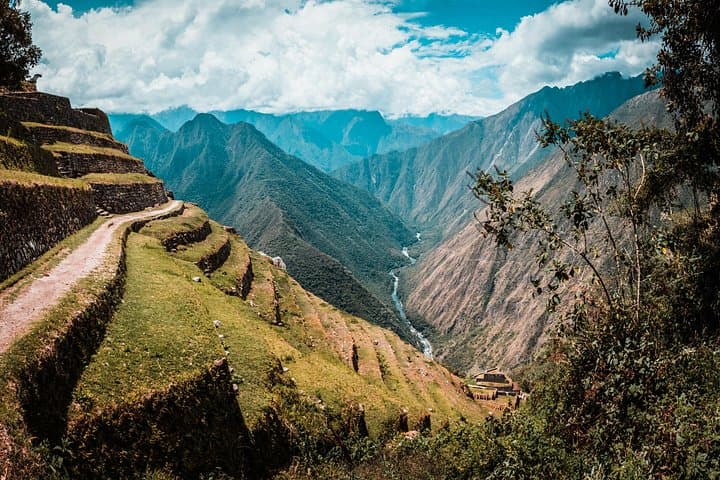
You wake before dawn in Cusco, the city lights shrinking behind private transport as the Andes tighten around the road. The Urubamba River dares you to keep pace; terraces and distant glaciers frame the valley as the trail rises. Over four days the path moves from agricultural lowlands into cloud forest and then to the ragged, high passes where the air thins and every breath counts.
Verified experiences and guided adventures in the surrounding area.
Operated by FLY CUSCO Perú Travel Agency · Aguas Calientes (Machu Picchu Pueblo), Cusco
You wake before dawn in Cusco, the city lights shrinking behind private transport as the Andes tighten around the road. The Urubamba River dares you to keep pace; terraces and distant glaciers frame the valley as the trail rises. Over four days the path moves from agricultural lowlands into cloud forest and then to the ragged, high passes where the air thins and every breath counts.
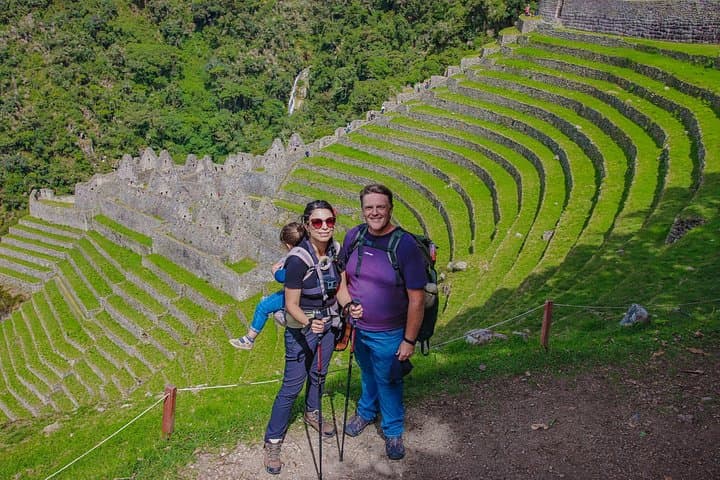
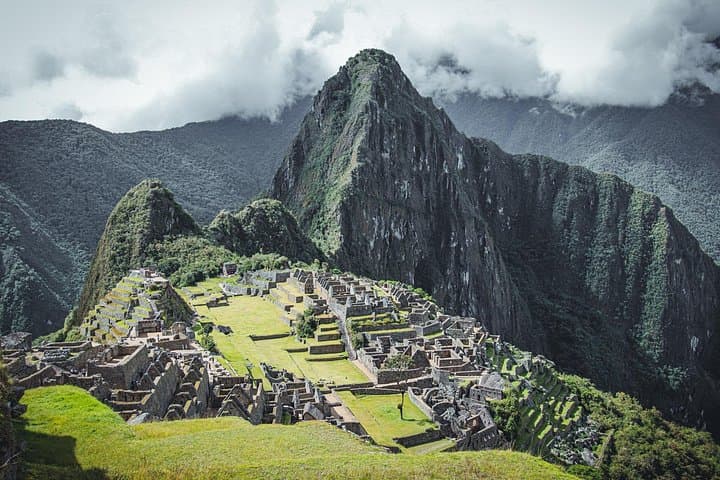
The Inca Trail is an engineered route of staircases, switchbacks and stonework built by the Incas to link sacred sites. Geologically the route climbs from river-cut valleys through volcanic and metamorphic rocks toward the Vilcabamba range; Dead Woman’s Pass at 4,215 m is the trail’s high point. Culturally the walk threads ancient agricultural terraces, remote Quechua communities, and lesser-known ruins such as Llactapata and Intipata before Puerta del Sol reveals Machu Picchu at sunrise.
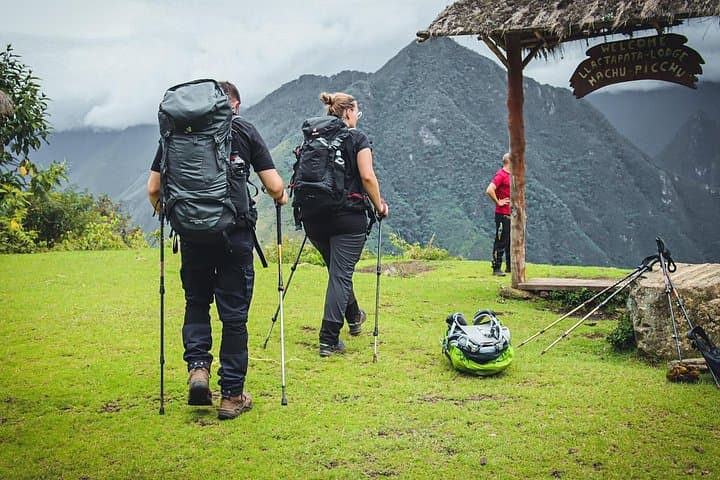
Practically, expect ~43 km (26 mi) of walking over four days with sustained elevation gain to 4,215 m and repeated steep stone stairs. The company supplies two-person 4-season tents, mattresses, cooks and porters (personal kit limit ~7 kg). You’ll camp each night, eat meals prepared by mountain chefs, and on day four reach the Sun Gate early for first light across the citadel.
Plan to arrive in Cusco 48–72 hours early to acclimatize, use stiff-soled hiking boots, layer for wide temperature swings, and reserve permits in advance—the trail is quota-controlled. Move deliberately on high-angle sections, drink extra fluids, and keep pack weight light; the reward is a sunrise that reshapes the idea of an ancient city.
challenging.
4 days.
Good cardio and leg strength recommended; able to hike 6–8 hours on steep, uneven terrain for consecutive days
Yes—this private itinerary includes Inca Trail permits and Machu Picchu entrance tickets as part of the package.
Dead Woman’s Pass reaches 4,215 m with sustained steep climbs; expect a demanding ascent requiring steady pacing and prior acclimatization.
Porters handle communal gear, tents and cooking equipment; personal porter allowance is about 7 kg per person for personal items.
Tents are two-person, four-season models with air mattresses provided; the company supplies meals and hot drinks at camp.
The Inca Trail was a state-managed route built to connect administrative and ceremonial centers; Machu Picchu dates to the 15th century, likely constructed under Pachacuti.
The Inca Trail is quota-managed—stay on designated paths, carry out all waste, and follow guide instructions to protect fragile highland ecosystems.
FLY CUSCO Perú Travel Agency operates guided outdoor trips and adventures with an emphasis on safety, stewardship, and memorable experiences.
You wake before dawn in Cusco, the city lights shrinking behind private transport as the Andes tighten around the road. The Urubamba River dares you to keep pace; terraces and distant glaciers frame the valley as the trail rises. Over four days the path moves from agricultural lowlands into cloud forest and then to the ragged, high passes where the air thins and every breath counts.
You wake before dawn in Cusco, the city lights shrinking behind private transport as the Andes tighten around the road. The Urubamba River dares you to keep pace; terraces and distant glaciers frame the valley as the trail rises. Over four days the path moves from agricultural lowlands into cloud forest and then to the ragged, high passes where the air thins and every breath counts.
The Inca Trail is an engineered route of staircases, switchbacks and stonework built by the Incas to link sacred sites. Geologically the route climbs from river-cut valleys through volcanic and metamorphic rocks toward the Vilcabamba range; Dead Woman’s Pass at 4,215 m is the trail’s high point. Culturally the walk threads ancient agricultural terraces, remote Quechua communities, and lesser-known ruins such as Llactapata and Intipata before Puerta del Sol reveals Machu Picchu at sunrise.
Practically, expect ~43 km (26 mi) of walking over four days with sustained elevation gain to 4,215 m and repeated steep stone stairs. The company supplies two-person 4-season tents, mattresses, cooks and porters (personal kit limit ~7 kg). You’ll camp each night, eat meals prepared by mountain chefs, and on day four reach the Sun Gate early for first light across the citadel.
Plan to arrive in Cusco 48–72 hours early to acclimatize, use stiff-soled hiking boots, layer for wide temperature swings, and reserve permits in advance—the trail is quota-controlled. Move deliberately on high-angle sections, drink extra fluids, and keep pack weight light; the reward is a sunrise that reshapes the idea of an ancient city.