THE ADVENTURE COLLECTIVE® · Independent discovery and booking for outdoor travel

Explore the Great Pyramids, Sphinx, Sakkara and Cairo’s major cultural sites on a private four-day package. Balance close-up ancient monuments with museum highlights and city viewpoints for a compact, personalized introduction to Egypt’s layers of history.
Explore the Great Pyramids, Sphinx, Sakkara and Cairo’s major cultural sites on a private four-day package. Balance close-up ancient monuments with museum highlights and city viewpoints for a compact, personalized introduction to Egypt’s layers of history.
You arrive to Cairo’s breakfast light—dust and heat rising from the desert like breath. The Great Pyramid looms ahead, its stones catching the low sun, and even from the car the plateau has a presence that seems to measure time itself.
Verified experiences and guided adventures in the surrounding area.
Operated by Your Egypt Tours · Cairo, Cairo Governorate
You arrive to Cairo’s breakfast light—dust and heat rising from the desert like breath. The Great Pyramid looms ahead, its stones catching the low sun, and even from the car the plateau has a presence that seems to measure time itself.
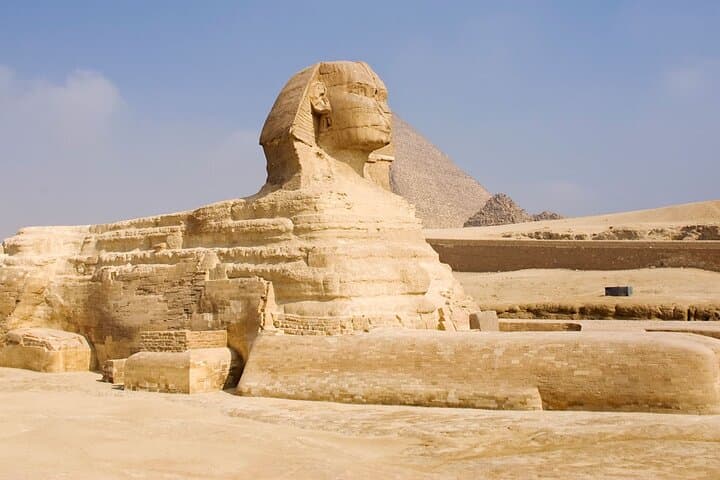
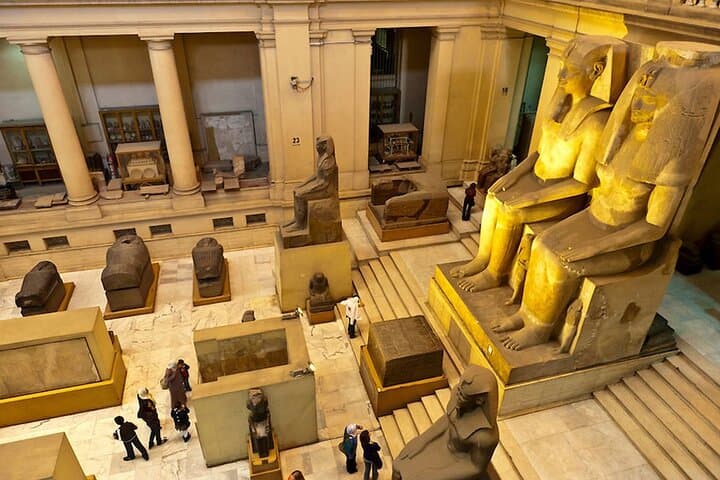
On day two the guide walks you through the scale of Khufu’s engineering, then across to the Sphinx where wind-polished limestone keeps its watch. Later, Sakkara’s Step Pyramid cuts a sharper line into the sky, an older experiment in monument-making. Back in the city, the Egyptian Museum’s gold rooms close around the stories of pharaohs while the Citadel and Alabaster Mosque offer both architectural drama and a sweeping view over greater Cairo.
Geology here is simple and blunt: limestone and desert sand built the stage for millennia of human ambition. Culturally, Cairo folds Pharaonic, Coptic and Islamic histories into dense neighborhoods and marketplaces—Khan El Khalili hums with commerce, call to prayer blends with street sounds, and every corner carries a story your guide can unlock.
Practical guidance: spread your visits across early mornings and late afternoons to avoid peak heat. Wear sturdy walking shoes; some surfaces are loose sand or uneven stone. Carry water and sun protection, and keep small local bills for tipping or small purchases. Plan for a private vehicle and an Egyptologist guide to move efficiently between sites; entry times can vary, so leave flexibility in afternoons for museum browsing or a quiet rooftop tea. This is a trip paced for detail—bring curiosity and comfortable legs.
easy.
4 days.
Suitable for travelers in average physical condition; involves walking on uneven ground and short climbs
Yes — the itinerary is rated easy and includes private transport, though expect some walking on uneven surfaces; request pace adjustments when booking.
Entrance fees to the listed sites are included in this package, as is a qualified Egyptologist guide and private transport.
Hotel pickup and drop-off are included; for arrivals the operator can meet you at Cairo International Airport to assist through formalities if arranged.
Dress modestly: shoulders and knees covered for both men and women; women may be asked to wear a headscarf inside some mosques.
The Giza Plateau dates to the Fourth Dynasty (around 2600–2500 BCE) and was long a ceremonial and funerary landscape for Old Kingdom pharaohs; Cairo later grew as a medieval Islamic capital overlaying earlier settlements.
High visitor numbers stress fragile archaeological surfaces—stick to marked paths, avoid climbing monuments, and follow guide instructions to protect these sites for future generations.
Your Egypt Tours operates guided outdoor trips and adventures with an emphasis on safety, stewardship, and memorable experiences.
You arrive to Cairo’s breakfast light—dust and heat rising from the desert like breath. The Great Pyramid looms ahead, its stones catching the low sun, and even from the car the plateau has a presence that seems to measure time itself.
You arrive to Cairo’s breakfast light—dust and heat rising from the desert like breath. The Great Pyramid looms ahead, its stones catching the low sun, and even from the car the plateau has a presence that seems to measure time itself.
On day two the guide walks you through the scale of Khufu’s engineering, then across to the Sphinx where wind-polished limestone keeps its watch. Later, Sakkara’s Step Pyramid cuts a sharper line into the sky, an older experiment in monument-making. Back in the city, the Egyptian Museum’s gold rooms close around the stories of pharaohs while the Citadel and Alabaster Mosque offer both architectural drama and a sweeping view over greater Cairo.
Geology here is simple and blunt: limestone and desert sand built the stage for millennia of human ambition. Culturally, Cairo folds Pharaonic, Coptic and Islamic histories into dense neighborhoods and marketplaces—Khan El Khalili hums with commerce, call to prayer blends with street sounds, and every corner carries a story your guide can unlock.
Practical guidance: spread your visits across early mornings and late afternoons to avoid peak heat. Wear sturdy walking shoes; some surfaces are loose sand or uneven stone. Carry water and sun protection, and keep small local bills for tipping or small purchases. Plan for a private vehicle and an Egyptologist guide to move efficiently between sites; entry times can vary, so leave flexibility in afternoons for museum browsing or a quiet rooftop tea. This is a trip paced for detail—bring curiosity and comfortable legs.