THE ADVENTURE COLLECTIVE® · Independent discovery and booking for outdoor travel

A concentrated four-day private itinerary that links Cairo’s pyramids with Luxor’s royal tombs and Aswan’s island temples. Expect early mornings, easy-to-moderate walks on ancient stone, and a continuous stream of historical highlights.
A concentrated four-day private itinerary that links Cairo’s pyramids with Luxor’s royal tombs and Aswan’s island temples. Expect early mornings, easy-to-moderate walks on ancient stone, and a continuous stream of historical highlights.
You step out of the airport into a warm Cairo evening; the city’s lights and distant minarets cut a low horizon while the smell of street food and motor oil layer the air. Over four days you move from the sandstone hush of the Giza plateau to the broad, slow pulse of the Nile at Aswan, with the open-air grandeur of Luxor in between.
Verified experiences and guided adventures in the surrounding area.
Operated by Camel Ride at Giza Pyramids · Cairo, Cairo Governorate
You step out of the airport into a warm Cairo evening; the city’s lights and distant minarets cut a low horizon while the smell of street food and motor oil layer the air. Over four days you move from the sandstone hush of the Giza plateau to the broad, slow pulse of the Nile at Aswan, with the open-air grandeur of Luxor in between.
These places are chapters of ancient Egypt made tangible: the pyramids and Sphinx of the Old Kingdom, the royal tombs of the New Kingdom in the Valley of the Kings, and the Greco-Roman and Pharaonic layers of Luxor and Karnak. Geology here is simple and telling — limestone and sandstone quarried into colossal blocks, the Nile sculpting a fertile ribbon through desert that still calls migrants of birds and life to its edge.
Local culture is present in markets, mosque calls, and Nubian island gardens; guides translate names carved in hieroglyphs and point out later additions from Roman and Ottoman eras. Conservation is visible — restricted access to tomb interiors and visitor limits on fragile sites — and your presence requires respect.
Practical guidance: expect early starts, a mix of walking on uneven stones and short drives, and dry heat by day with cooler nights. Carry a brimmed hat, refillable water, sun protection, and comfortable walking shoes with good grip. Bring copies of your passport and small local currency for tips and purchases. With modest planning you’ll move through thousands of years of human history while the Nile quietly dares you to slow down and look closer.
moderate.
4 days.
Comfortable walking fitness. Able to handle multiple short walks, stairs, and uneven stone; not strenuous but requires stamina for full days.
Most nationalities require a visa; many visitors can obtain one on arrival or arrange an e-visa in advance — check current embassy guidance before travel.
This package includes domestic flights between Cairo, Luxor and Aswan as listed in the itinerary; confirm flight times during booking.
Expect multiple moderate walks each day across uneven terrain and stairs at temples and tombs; comfortable shoes and moderate fitness are recommended.
Tipping is customary; plan small local-currency notes for guides, drivers and hotel staff — your operator can advise typical amounts.
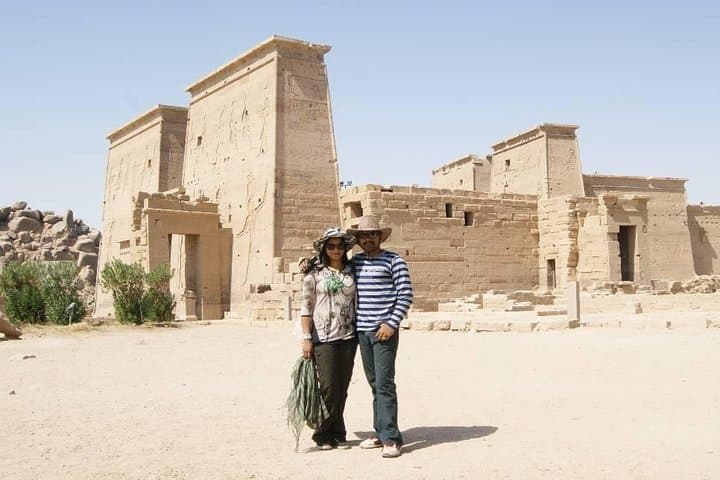
This route links Old Kingdom monuments at Giza with New Kingdom royal complexes in Luxor and later Ptolemaic and Roman additions at Aswan and Edfu.
Visitor impact is managed through restricted access to sensitive tombs, timed entries, and guide-led visits; conserve water and avoid touching ancient surfaces.
Camel Ride at Giza Pyramids operates guided outdoor trips and adventures with an emphasis on safety, stewardship, and memorable experiences.
You step out of the airport into a warm Cairo evening; the city’s lights and distant minarets cut a low horizon while the smell of street food and motor oil layer the air. Over four days you move from the sandstone hush of the Giza plateau to the broad, slow pulse of the Nile at Aswan, with the open-air grandeur of Luxor in between.
You step out of the airport into a warm Cairo evening; the city’s lights and distant minarets cut a low horizon while the smell of street food and motor oil layer the air. Over four days you move from the sandstone hush of the Giza plateau to the broad, slow pulse of the Nile at Aswan, with the open-air grandeur of Luxor in between.
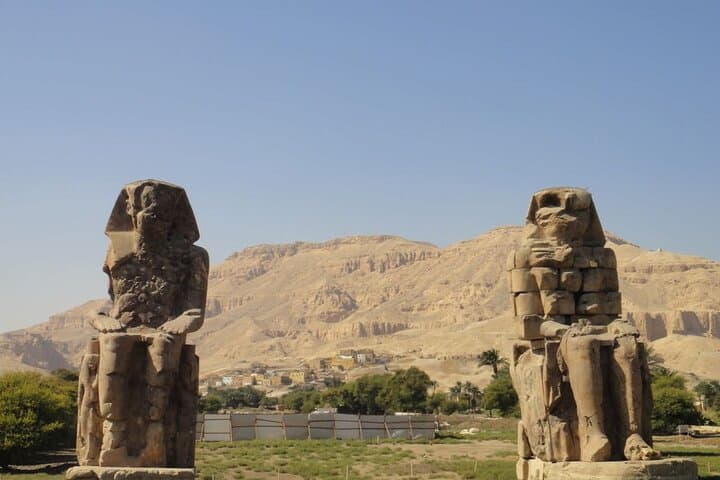
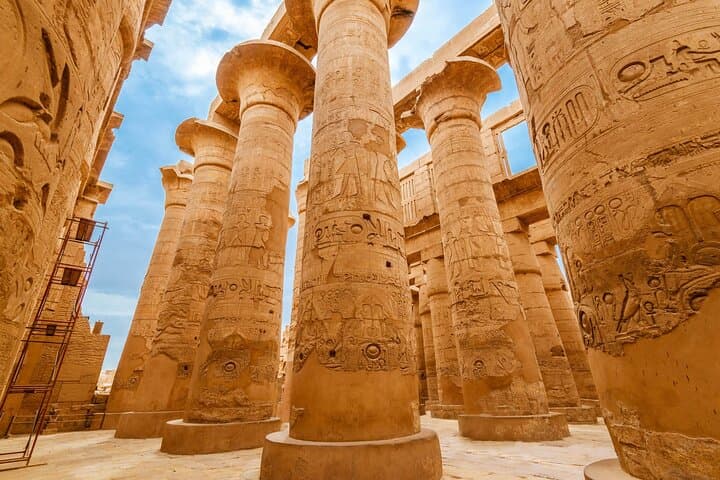
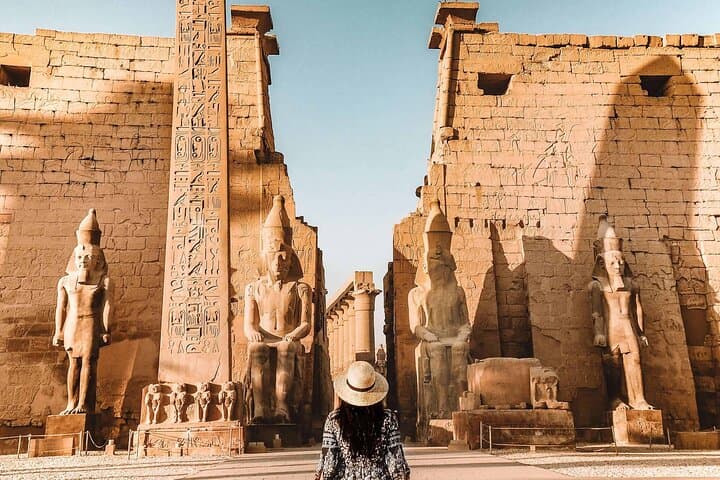
These places are chapters of ancient Egypt made tangible: the pyramids and Sphinx of the Old Kingdom, the royal tombs of the New Kingdom in the Valley of the Kings, and the Greco-Roman and Pharaonic layers of Luxor and Karnak. Geology here is simple and telling — limestone and sandstone quarried into colossal blocks, the Nile sculpting a fertile ribbon through desert that still calls migrants of birds and life to its edge.
Local culture is present in markets, mosque calls, and Nubian island gardens; guides translate names carved in hieroglyphs and point out later additions from Roman and Ottoman eras. Conservation is visible — restricted access to tomb interiors and visitor limits on fragile sites — and your presence requires respect.
Practical guidance: expect early starts, a mix of walking on uneven stones and short drives, and dry heat by day with cooler nights. Carry a brimmed hat, refillable water, sun protection, and comfortable walking shoes with good grip. Bring copies of your passport and small local currency for tips and purchases. With modest planning you’ll move through thousands of years of human history while the Nile quietly dares you to slow down and look closer.