THE ADVENTURE COLLECTIVE® · Independent discovery and booking for outdoor travel

This private four-day tour pairs Cairo’s Giza Pyramids and Egyptian Museum with Luxor’s Valley of the Kings, Karnak and a Nile dinner cruise. Ideal for travelers wanting concentrated access to Egypt’s iconic sites with door-to-door transfers and an Egyptologist guide.
This private four-day tour pairs Cairo’s Giza Pyramids and Egyptian Museum with Luxor’s Valley of the Kings, Karnak and a Nile dinner cruise. Ideal for travelers wanting concentrated access to Egypt’s iconic sites with door-to-door transfers and an Egyptologist guide.
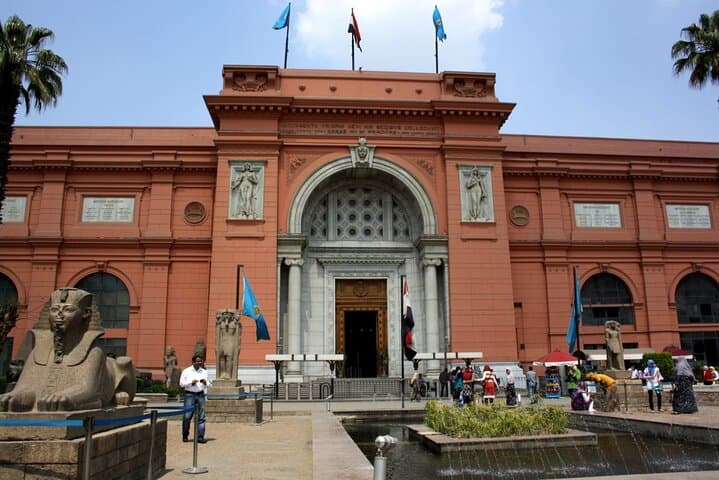
The sun has barely warmed the limestone when a private car threads through Cairo traffic and the hulking silhouette of the Great Pyramid resolves from the morning haze. You stand on the Giza Plateau with the Sphinx watching, the air smelling faintly of dust, spiced street food, and the Nile’s distant river breath. Over four days the itinerary moves from Cairo’s crowded museum rooms to the wide, quieter sweep of Luxor’s West Bank—temples and tombs that still push history into the present.
Verified experiences and guided adventures in the surrounding area.
Operated by Get Egypt Vacation · Cairo, Cairo Governorate
The sun has barely warmed the limestone when a private car threads through Cairo traffic and the hulking silhouette of the Great Pyramid resolves from the morning haze. You stand on the Giza Plateau with the Sphinx watching, the air smelling faintly of dust, spiced street food, and the Nile’s distant river breath. Over four days the itinerary moves from Cairo’s crowded museum rooms to the wide, quieter sweep of Luxor’s West Bank—temples and tombs that still push history into the present.
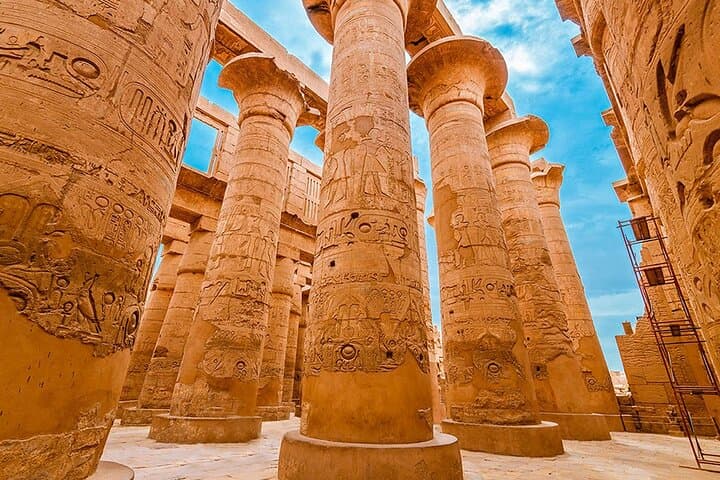
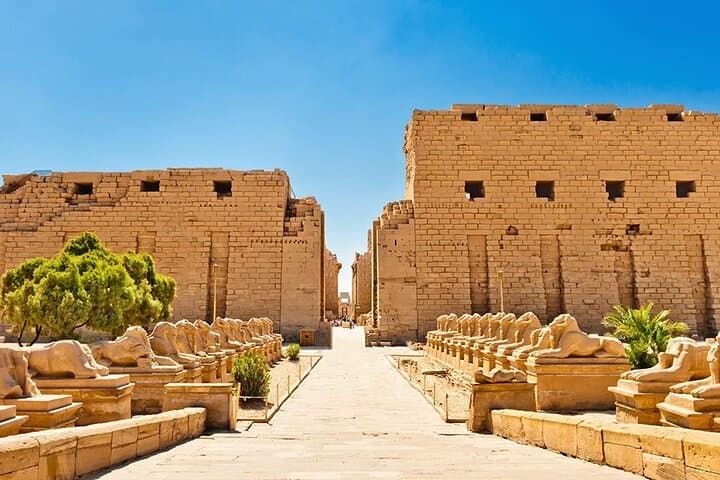
This route crosses epochs: Old Kingdom pyramid builders at Giza, New Kingdom pharaohs buried in the Valley of the Kings, and temple complexes at Karnak and Hatshepsut that show how religious architecture directed power and daily life. Geologically, the monuments sit on layered limestones and alluvial plains carved by the Nile’s annual rhythms; culturally, modern Cairo and Luxor are living markets for crafts, food, and ritual life that thread to ancient practices.
Practical guidance: plan early starts to avoid mid-day heat and to catch softer light for photos. Dress modestly for mosque and temple visits—light, long sleeves and a scarf for women are efficient choices. Carry cash for small-site fees and tips; ATMs are common in cities but sparse near archaeological sites. Hydrate frequently and wear supportive walking shoes—temple grounds are uneven and dusty. Flights between Cairo and Luxor are included in most four-day packages, saving a long overnight transfer. Allow a little extra time each day for security checks and the occasional crowds at major sites. With a knowledgeable Egyptologist guide, this compact loop delivers the essential pharaonic highlights with a practical, comfortable pace.
easy.
4 days.
Light walking required (flat but uneven surfaces); suitable for most fitness levels with basic mobility.
This tour includes entrance fees to the main archaeological sites listed in the itinerary, as detailed in the tour inclusions.
Yes — round-trip flights between Cairo and Luxor are included in the package to reduce ground transfer time.
An Egyptologist guide is provided, offering specialized historical context and priority insights at major monuments.
Basic mobility is required due to uneven ground and steps at many sites; contact the operator to discuss specific needs and possible accommodations.
Cairo and Luxor occupy continuous human landscapes from pharaonic capitals to Islamic Cairo; many temple sites were centers of ritual life for millennia.
Tourists should avoid touching wall reliefs and follow path signage; use local guides and licensed operators to support site stewardship and community-based conservation.
Get Egypt Vacation operates guided outdoor trips and adventures with an emphasis on safety, stewardship, and memorable experiences.

The sun has barely warmed the limestone when a private car threads through Cairo traffic and the hulking silhouette of the Great Pyramid resolves from the morning haze. You stand on the Giza Plateau with the Sphinx watching, the air smelling faintly of dust, spiced street food, and the Nile’s distant river breath. Over four days the itinerary moves from Cairo’s crowded museum rooms to the wide, quieter sweep of Luxor’s West Bank—temples and tombs that still push history into the present.
The sun has barely warmed the limestone when a private car threads through Cairo traffic and the hulking silhouette of the Great Pyramid resolves from the morning haze. You stand on the Giza Plateau with the Sphinx watching, the air smelling faintly of dust, spiced street food, and the Nile’s distant river breath. Over four days the itinerary moves from Cairo’s crowded museum rooms to the wide, quieter sweep of Luxor’s West Bank—temples and tombs that still push history into the present.
This route crosses epochs: Old Kingdom pyramid builders at Giza, New Kingdom pharaohs buried in the Valley of the Kings, and temple complexes at Karnak and Hatshepsut that show how religious architecture directed power and daily life. Geologically, the monuments sit on layered limestones and alluvial plains carved by the Nile’s annual rhythms; culturally, modern Cairo and Luxor are living markets for crafts, food, and ritual life that thread to ancient practices.
Practical guidance: plan early starts to avoid mid-day heat and to catch softer light for photos. Dress modestly for mosque and temple visits—light, long sleeves and a scarf for women are efficient choices. Carry cash for small-site fees and tips; ATMs are common in cities but sparse near archaeological sites. Hydrate frequently and wear supportive walking shoes—temple grounds are uneven and dusty. Flights between Cairo and Luxor are included in most four-day packages, saving a long overnight transfer. Allow a little extra time each day for security checks and the occasional crowds at major sites. With a knowledgeable Egyptologist guide, this compact loop delivers the essential pharaonic highlights with a practical, comfortable pace.