THE ADVENTURE COLLECTIVE® · Independent discovery and booking for outdoor travel

A private day trip from Marrakech through the Kik Plateau, Asni and Ourika Valley that pairs short village walks with scenic drives and high-Atlas views. Expect Berber hospitality, mint tea stops and easy terrain with big panoramas.
A private day trip from Marrakech through the Kik Plateau, Asni and Ourika Valley that pairs short village walks with scenic drives and high-Atlas views. Expect Berber hospitality, mint tea stops and easy terrain with big panoramas.
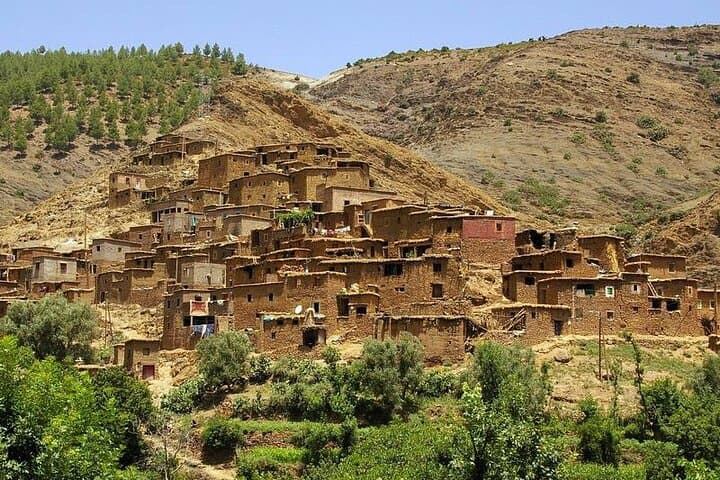
You leave Marrakech before the heat climbs, tires whispering over the national road as the city gives way to almond orchards and the first slopes of the High Atlas. The road to Amizmiz threads between scrub and terraced fields; Lalla Takerkoust lake appears as a polished eye, then the secondary road climbs toward the Kik Plateau. By late morning you stand above villages cut from earth and stone, the air smelling faintly of mint and wood smoke.
Verified experiences and guided adventures in the surrounding area.
Operated by Travel Plans Marrakech - Day Tours · Asni, Marrakech-Safi
You leave Marrakech before the heat climbs, tires whispering over the national road as the city gives way to almond orchards and the first slopes of the High Atlas. The road to Amizmiz threads between scrub and terraced fields; Lalla Takerkoust lake appears as a polished eye, then the secondary road climbs toward the Kik Plateau. By late morning you stand above villages cut from earth and stone, the air smelling faintly of mint and wood smoke.
Geology here is raw: folded sedimentary rock rising to jagged ridgelines, with Jebel Toubkal’s snowless shoulders visible in warmer months. The plateau’s human story is older—Berber villages that developed around seasonal water and trade routes, and Moulay Brahim, a village whose marabout attracts local pilgrims. Culture is tangible in simple architecture, the cadence of Amazigh language and the ritual of mint tea handed over with hospitality.
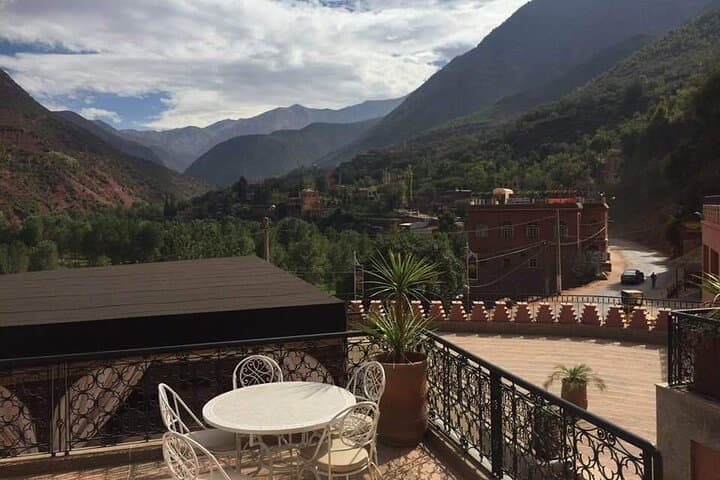
Expect short walks to viewpoints rather than long hikes: gravel lanes, farm tracks and narrow village streets at roughly 1,150 m elevation. The drive threads the Ourika Valley’s green terraces and the gorges where a river pushes through basalt walls. Photographers will favor the late-afternoon return as light softens the ridges.
Practical guidance: bring layers for variable mountain winds, sturdy shoes for uneven village paths, and cash for small purchases. Drinking water is provided on the vehicle, but carry a refillable bottle for walks. Timing matters—start early to avoid mid-day heat and to catch the quiet of mountain villages before tourist traffic returns to Marrakech.
easy.
4–8 hours.
Suitable for most fitness levels; involves short, gentle walks and vehicle transfers
The excursion runs approximately 4–8 hours depending on stops; typical departures are morning with return to Marrakech late afternoon.
Yes—vehicle seats and infant seats are available; infants may be required to sit on laps during transport.
This excursion generally includes bottled water and mint tea stops; meals are not specified—plan for snacks or ask operator about lunch options.
Pickup from central locations in Marrakech is commonly offered—confirm your pickup point and timing when booking.
Berber villages on the plateau grew around seasonal agriculture and pilgrimage routes; Moulay Brahim is known for its marabout shrine and local rituals.
Water is scarce; minimize plastic by carrying a refillable bottle and support local guides and vendors to keep tourism benefits in the community.
Travel Plans Marrakech - Day Tours operates guided outdoor trips and adventures with an emphasis on safety, stewardship, and memorable experiences.
You leave Marrakech before the heat climbs, tires whispering over the national road as the city gives way to almond orchards and the first slopes of the High Atlas. The road to Amizmiz threads between scrub and terraced fields; Lalla Takerkoust lake appears as a polished eye, then the secondary road climbs toward the Kik Plateau. By late morning you stand above villages cut from earth and stone, the air smelling faintly of mint and wood smoke.
You leave Marrakech before the heat climbs, tires whispering over the national road as the city gives way to almond orchards and the first slopes of the High Atlas. The road to Amizmiz threads between scrub and terraced fields; Lalla Takerkoust lake appears as a polished eye, then the secondary road climbs toward the Kik Plateau. By late morning you stand above villages cut from earth and stone, the air smelling faintly of mint and wood smoke.
Geology here is raw: folded sedimentary rock rising to jagged ridgelines, with Jebel Toubkal’s snowless shoulders visible in warmer months. The plateau’s human story is older—Berber villages that developed around seasonal water and trade routes, and Moulay Brahim, a village whose marabout attracts local pilgrims. Culture is tangible in simple architecture, the cadence of Amazigh language and the ritual of mint tea handed over with hospitality.
Expect short walks to viewpoints rather than long hikes: gravel lanes, farm tracks and narrow village streets at roughly 1,150 m elevation. The drive threads the Ourika Valley’s green terraces and the gorges where a river pushes through basalt walls. Photographers will favor the late-afternoon return as light softens the ridges.
Practical guidance: bring layers for variable mountain winds, sturdy shoes for uneven village paths, and cash for small purchases. Drinking water is provided on the vehicle, but carry a refillable bottle for walks. Timing matters—start early to avoid mid-day heat and to catch the quiet of mountain villages before tourist traffic returns to Marrakech.