THE ADVENTURE COLLECTIVE® · Independent discovery and booking for outdoor travel

Explore Glasgow on a private, three-hour walking tour tailored to your interests. Move from George Square to Kelvingrove and the Botanic Gardens with a local guide who points out history, hidden streets, and practical routes to keep exploring.
Explore Glasgow on a private, three-hour walking tour tailored to your interests. Move from George Square to Kelvingrove and the Botanic Gardens with a local guide who points out history, hidden streets, and practical routes to keep exploring.
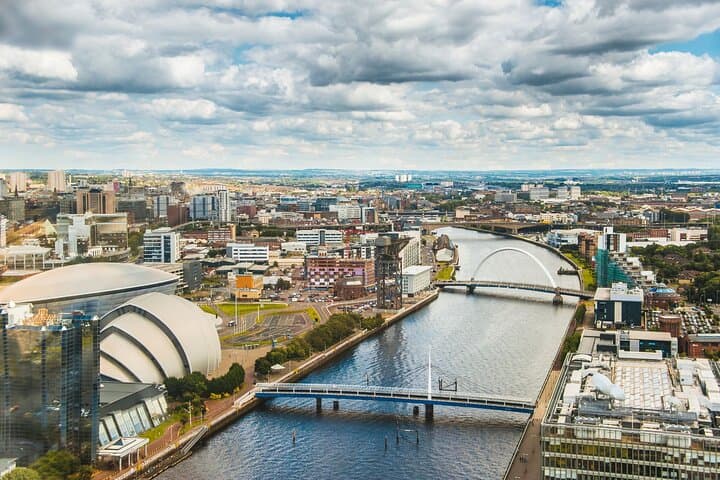
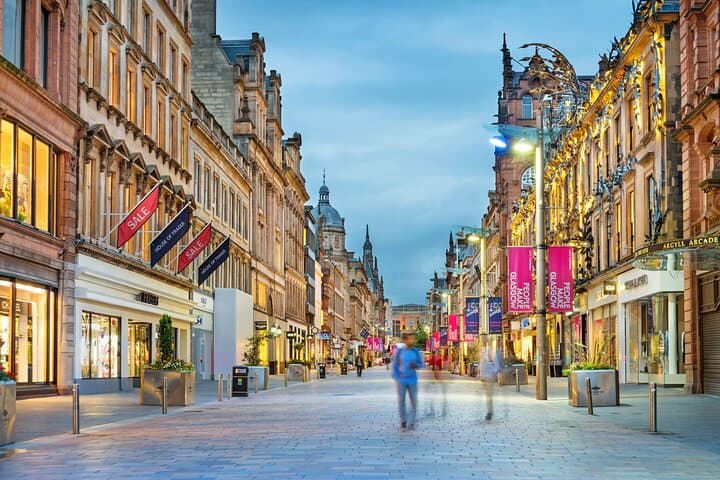
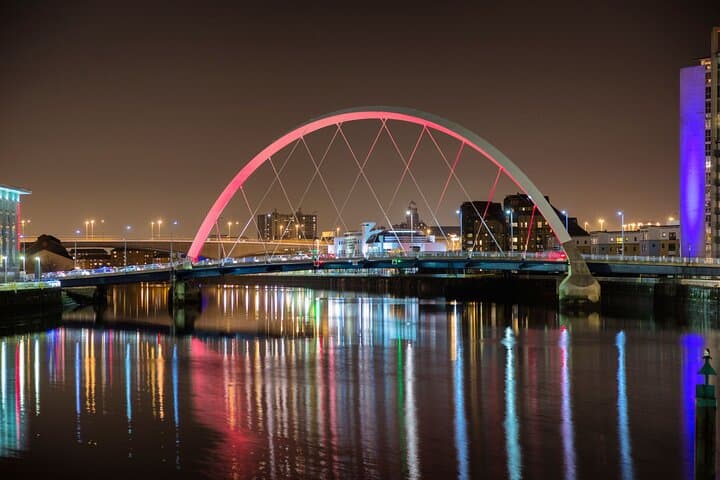
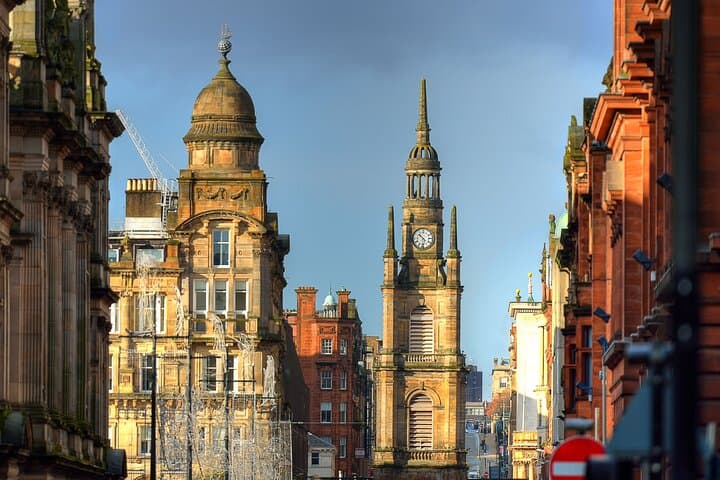
A damp morning light slides off sandstone façades as you step from your accommodation into Glasgow’s streets — your guide waiting with a route shaped around the things you care about. Over three hours you move between grand civic plazas and quieter lanes: the civic bustle of George Square, the vaulted acoustics of St Mungo’s Cathedral, the bright displays at Kelvingrove, and the riverfront scale of the Riverside Museum. The walk threads Victorian industry, civic ambition, and modern reinvention into a readable cityscape.
Verified experiences and guided adventures in the surrounding area.
Operated by Guydeez · Glasgow, Scotland
A damp morning light slides off sandstone façades as you step from your accommodation into Glasgow’s streets — your guide waiting with a route shaped around the things you care about. Over three hours you move between grand civic plazas and quieter lanes: the civic bustle of George Square, the vaulted acoustics of St Mungo’s Cathedral, the bright displays at Kelvingrove, and the riverfront scale of the Riverside Museum. The walk threads Victorian industry, civic ambition, and modern reinvention into a readable cityscape.
Glasgow grew rapidly in the 18th–19th centuries on trade and shipbuilding; that history is visible in ornate townhouses, former warehouses, and the river’s reclaimed docks. Geology shows itself in local sandstone and the gentle drumlins that give the city occasional rises; compact parks and the Botanic Gardens offer a softer, greener counterpoint. Culture here is frank and conversational — guides often interleave architecture with Glaswegian humour, music, and contemporary café culture.
Practically: tours are private and customizable, typically covering roughly 2–4 miles (3–6 km) at an easy pace with frequent stops. Many itineraries are wheelchair and stroller accessible and can start at your hotel. Wear supportive shoes, bring a waterproof layer and a small bottle of water; weather can change quickly. Ask your guide about quieter shortcuts, local cafés for a mid-tour break, and practical navigation tips to continue exploring after the tour ends. The result is a compact, locally tuned orientation that leaves you confident exploring Glasgow on your own.
easy.
3 hours.
Suitable for most fitness levels; walkers should be comfortable standing and strolling for several hours with short stops.
The tour can meet you at your accommodation if it’s inside the city, or at an agreed public meeting point such as George Square.
Yes — routes can be planned to use wheelchair-accessible streets and surfaces; notify booking about accessibility needs to tailor the route.
Absolutely — guides will design the three-hour route around your interests, whether that’s architecture, museums, food, or local music scenes.
Standard private tours do not include museum admission; your guide can advise and help pre-book tickets where needed.
Glasgow’s 18th–19th century expansion was driven by trade and shipbuilding on the Clyde; many civic buildings reflect Victorian wealth and municipal pride.
Several riverside regeneration projects and Historic Environment Scotland stewardship at sites like Glasgow Cathedral aim to balance visitor access with conservation; stick to marked paths and avoid disturbing green spaces.
Guydeez operates guided outdoor trips and adventures with an emphasis on safety, stewardship, and memorable experiences.
A damp morning light slides off sandstone façades as you step from your accommodation into Glasgow’s streets — your guide waiting with a route shaped around the things you care about. Over three hours you move between grand civic plazas and quieter lanes: the civic bustle of George Square, the vaulted acoustics of St Mungo’s Cathedral, the bright displays at Kelvingrove, and the riverfront scale of the Riverside Museum. The walk threads Victorian industry, civic ambition, and modern reinvention into a readable cityscape.
A damp morning light slides off sandstone façades as you step from your accommodation into Glasgow’s streets — your guide waiting with a route shaped around the things you care about. Over three hours you move between grand civic plazas and quieter lanes: the civic bustle of George Square, the vaulted acoustics of St Mungo’s Cathedral, the bright displays at Kelvingrove, and the riverfront scale of the Riverside Museum. The walk threads Victorian industry, civic ambition, and modern reinvention into a readable cityscape.
Glasgow grew rapidly in the 18th–19th centuries on trade and shipbuilding; that history is visible in ornate townhouses, former warehouses, and the river’s reclaimed docks. Geology shows itself in local sandstone and the gentle drumlins that give the city occasional rises; compact parks and the Botanic Gardens offer a softer, greener counterpoint. Culture here is frank and conversational — guides often interleave architecture with Glaswegian humour, music, and contemporary café culture.
Practically: tours are private and customizable, typically covering roughly 2–4 miles (3–6 km) at an easy pace with frequent stops. Many itineraries are wheelchair and stroller accessible and can start at your hotel. Wear supportive shoes, bring a waterproof layer and a small bottle of water; weather can change quickly. Ask your guide about quieter shortcuts, local cafés for a mid-tour break, and practical navigation tips to continue exploring after the tour ends. The result is a compact, locally tuned orientation that leaves you confident exploring Glasgow on your own.