THE ADVENTURE COLLECTIVE® · Independent discovery and booking for outdoor travel

Stand at the foot of the Great Pyramids, ride a camel across the Giza Plateau and visit the Great Sphinx on a private, guided 3-hour tour. This concise trip combines panoramic viewpoints, the Valley Temple and expert local context—ideal for time-pressed travelers.
Stand at the foot of the Great Pyramids, ride a camel across the Giza Plateau and visit the Great Sphinx on a private, guided 3-hour tour. This concise trip combines panoramic viewpoints, the Valley Temple and expert local context—ideal for time-pressed travelers.
The sand opens beneath your boots and the skyline rearranges itself into stone: three great pyramids rise from the plateau, each face catching sunlight differently as you approach. A camel pauses beside you, swaying like a slow vessel across an open sea of beige, while the Sphinx regards the flow of visitors with an immovable calm.
Verified experiences and guided adventures in the surrounding area.
Operated by Sun Pyramids Tours · Giza, Giza Governorate
The sand opens beneath your boots and the skyline rearranges itself into stone: three great pyramids rise from the plateau, each face catching sunlight differently as you approach. A camel pauses beside you, swaying like a slow vessel across an open sea of beige, while the Sphinx regards the flow of visitors with an immovable calm.
This private Giza excursion moves fast but deliberately — a focused visit to the necropolis built during Egypt’s Old Kingdom for Khufu (Cheops), Khafre (Chephren) and Menkaure (Mykerinus). Geologically, the plateau is a band of limestone and bedrock quarried to build the tombs; you can still see tool marks and ashlar blocks that tell of ancient engineering. Culturally, the Sphinx and nearby Valley Temple speak to mortuary ritual and the mummification process used to prepare kings for the afterlife.
Expect a mix of walking across packed sand, short climbs to panoramic viewpoints, and a guided camel ride that typically lasts around two hours with stops for photos and context. Your guide and private transport handle logistics, entrance fees and bottled water, leaving you to learn, photograph and move at your own pace.
Practical notes: mornings are cooler and offer the best light; carry sun protection and a refillable bottle. Dress respectfully — lightweight, breathable clothing that covers shoulders and knees is appropriate. Keep hands free for camera and balance when mounting camels, and follow your guide’s instructions around animals and restricted zones to protect both historic fabric and modern safety.
easy.
3–4 hours.
Suitable for most fitness levels; requires short walks on sand and basic balance for camel riding
Yes — the tour price includes entrance fees to the Giza plateau sites mentioned in the itinerary.
Yes — a guided camel experience across the plateau is included, typically around two hours with photo stops.
Pickup and drop-off from Cairo hotels are included; pickups from some satellite areas or airports may incur extra charges.
Generally yes — the tour is rated easy, but mounting camels and walking on sand can be challenging for some; notify the operator of mobility concerns.
The Giza necropolis dates to the Fourth Dynasty (c. 2600–2500 BCE); the three main pyramids were royal tombs with associated funerary complexes.
Visitor traffic and souvenir vendors strain the site; stay on managed paths, avoid climbing monuments and support licensed guides to help local preservation efforts.
Sun Pyramids Tours operates guided outdoor trips and adventures with an emphasis on safety, stewardship, and memorable experiences.
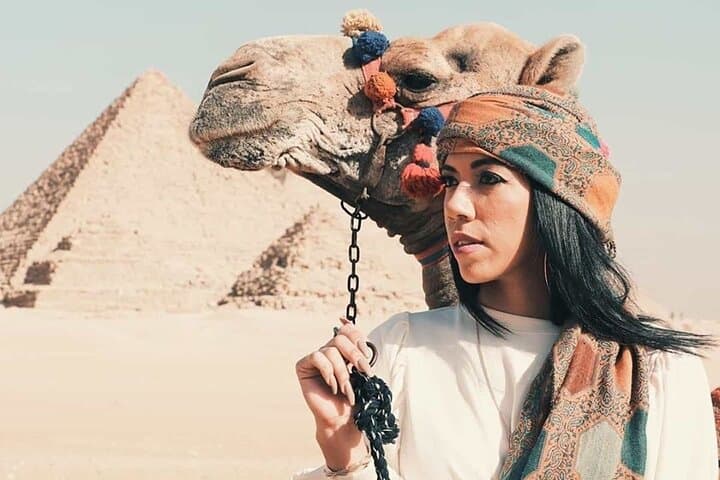
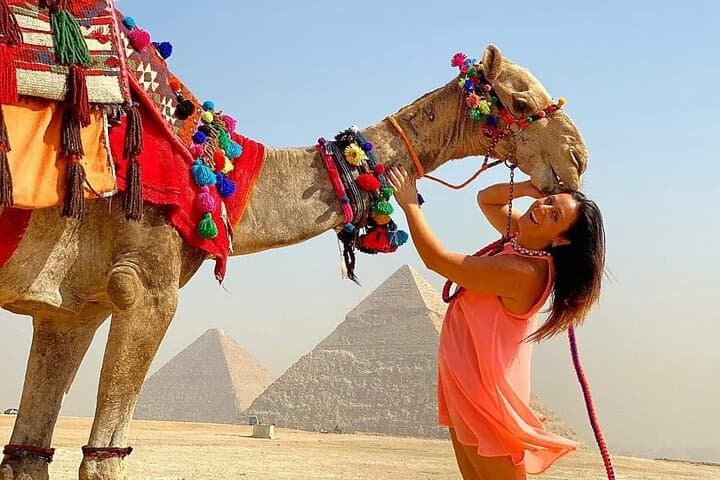
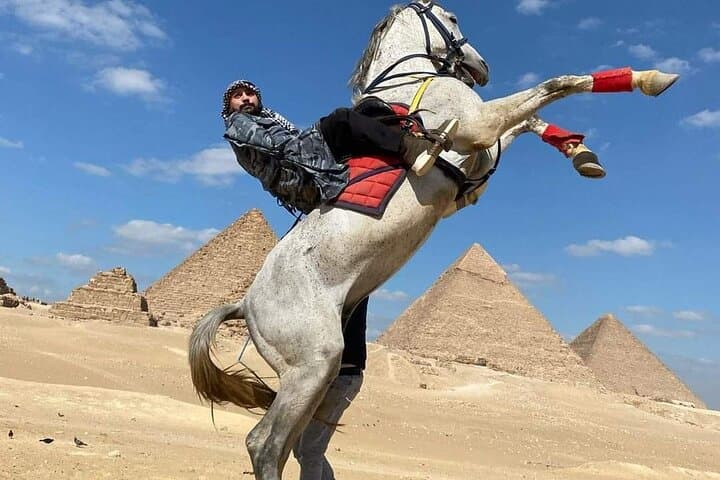
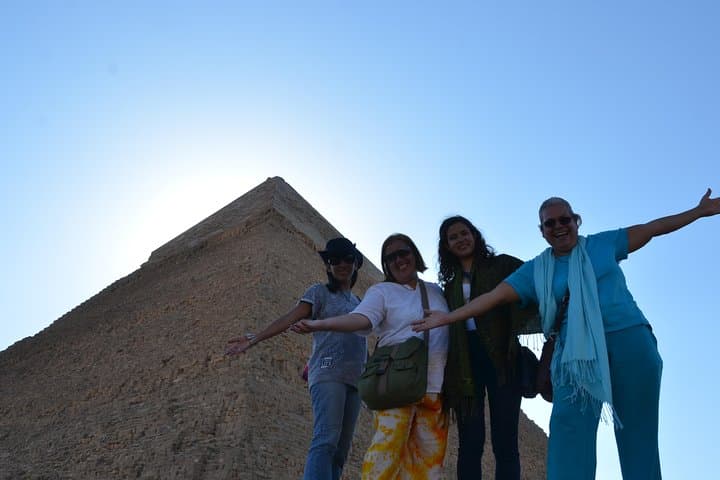
The sand opens beneath your boots and the skyline rearranges itself into stone: three great pyramids rise from the plateau, each face catching sunlight differently as you approach. A camel pauses beside you, swaying like a slow vessel across an open sea of beige, while the Sphinx regards the flow of visitors with an immovable calm.
The sand opens beneath your boots and the skyline rearranges itself into stone: three great pyramids rise from the plateau, each face catching sunlight differently as you approach. A camel pauses beside you, swaying like a slow vessel across an open sea of beige, while the Sphinx regards the flow of visitors with an immovable calm.
This private Giza excursion moves fast but deliberately — a focused visit to the necropolis built during Egypt’s Old Kingdom for Khufu (Cheops), Khafre (Chephren) and Menkaure (Mykerinus). Geologically, the plateau is a band of limestone and bedrock quarried to build the tombs; you can still see tool marks and ashlar blocks that tell of ancient engineering. Culturally, the Sphinx and nearby Valley Temple speak to mortuary ritual and the mummification process used to prepare kings for the afterlife.
Expect a mix of walking across packed sand, short climbs to panoramic viewpoints, and a guided camel ride that typically lasts around two hours with stops for photos and context. Your guide and private transport handle logistics, entrance fees and bottled water, leaving you to learn, photograph and move at your own pace.
Practical notes: mornings are cooler and offer the best light; carry sun protection and a refillable bottle. Dress respectfully — lightweight, breathable clothing that covers shoulders and knees is appropriate. Keep hands free for camera and balance when mounting camels, and follow your guide’s instructions around animals and restricted zones to protect both historic fabric and modern safety.