THE ADVENTURE COLLECTIVE® · Independent discovery and booking for outdoor travel

Walk the narrow lanes of Beijing’s hutongs, hear a historic drum performance at the Drum Tower, and finish with a traditional tea ceremony at the Bell Tower. This private 3-hour tour blends living history, architecture, and local flavors in an accessible urban stroll.
Walk the narrow lanes of Beijing’s hutongs, hear a historic drum performance at the Drum Tower, and finish with a traditional tea ceremony at the Bell Tower. This private 3-hour tour blends living history, architecture, and local flavors in an accessible urban stroll.
Morning light slides along narrow gray-brick alleys as a private guide leads the group into Beijing’s hutongs, the city’s centuries-old lanes that still hold the cadence of daily life.
Verified experiences and guided adventures in the surrounding area.
Operated by Beijing Tour Guide · Beijing, Beijing
Morning light slides along narrow gray-brick alleys as a private guide leads the group into Beijing’s hutongs, the city’s centuries-old lanes that still hold the cadence of daily life.
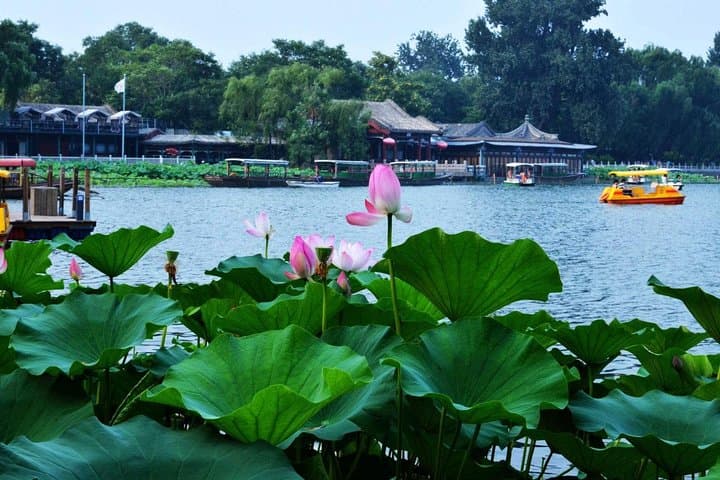
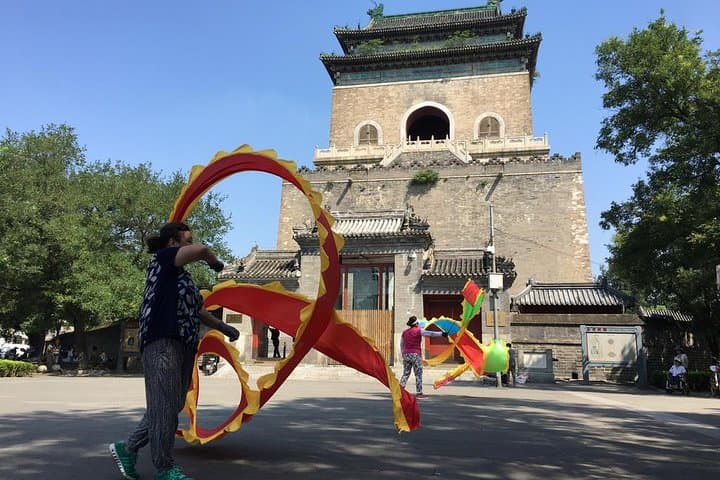
The walk begins beside Houhai, where willow branches skim the water and lakeside bars give way to thinner, older lanes. Passing Yinding Bridge — its silver-sycee curve once famed for views of the Western Hills — the tour threads through Yandai Xie Street, a restored Qing-era commercial strip of curios and calligraphy. At the Drum Tower, visitors climb wooden steps to learn how drums once marked the hours for imperial Beijing; a twenty-minute drumming performance revives that civic pulse.
The route is both cultural and architectural: courtyard homes (siheyuan), narrow alleys, and stone bridges reflecting layers of Ming and Qing-era urban planning. The tea ceremony inside the adjacent Bell Tower shifts the tempo to quiet focus — tasting green, jasmine or oolong while a host explains basic steeping techniques and tea etiquette.
Practically, the tour suits light walkers and offers hotel pickup. Expect uneven paving, tight stairways up the Drum Tower, and a mix of outdoor exposure and indoor stops. Bring small-denomination RMB for souvenirs and snacks, wear flat shoes for cobbles, and allow time for photos without blocking local traffic.
This three-hour private experience balances living history and sensory detail: city sounds, percussion, and the aroma of steeped tea — a compact introduction to Beijing’s hutong life with clear, practical notes for planning and comfort.
easy.
2–3 hours.
Light walking ability; suitable for most fitness levels but expect stairs and uneven pavement
Yes — the tour is family-friendly, but children should be supervised on stairs and around busy alleys; the provider notes children must be accompanied by an adult.
Yes — the itinerary lists entrance fees and the tea ceremony as included in the tour price.
The guide meets guests at their hotel; confirm pickup details when booking and leave a contact number if requested.
Yes — bookings allow selection of a morning or afternoon start to suit weather and personal schedule.
Hutongs and siheyuan courtyards date back to Yuan and Ming dynasties; the Drum and Bell Towers historically marked daily time for the imperial city.
Hutong neighborhoods face pressure from development; visitors should minimize noise, avoid littering, and support local businesses that preserve traditional crafts.
Beijing Tour Guide operates guided outdoor trips and adventures with an emphasis on safety, stewardship, and memorable experiences.


Morning light slides along narrow gray-brick alleys as a private guide leads the group into Beijing’s hutongs, the city’s centuries-old lanes that still hold the cadence of daily life.
Morning light slides along narrow gray-brick alleys as a private guide leads the group into Beijing’s hutongs, the city’s centuries-old lanes that still hold the cadence of daily life.
The walk begins beside Houhai, where willow branches skim the water and lakeside bars give way to thinner, older lanes. Passing Yinding Bridge — its silver-sycee curve once famed for views of the Western Hills — the tour threads through Yandai Xie Street, a restored Qing-era commercial strip of curios and calligraphy. At the Drum Tower, visitors climb wooden steps to learn how drums once marked the hours for imperial Beijing; a twenty-minute drumming performance revives that civic pulse.
The route is both cultural and architectural: courtyard homes (siheyuan), narrow alleys, and stone bridges reflecting layers of Ming and Qing-era urban planning. The tea ceremony inside the adjacent Bell Tower shifts the tempo to quiet focus — tasting green, jasmine or oolong while a host explains basic steeping techniques and tea etiquette.
Practically, the tour suits light walkers and offers hotel pickup. Expect uneven paving, tight stairways up the Drum Tower, and a mix of outdoor exposure and indoor stops. Bring small-denomination RMB for souvenirs and snacks, wear flat shoes for cobbles, and allow time for photos without blocking local traffic.
This three-hour private experience balances living history and sensory detail: city sounds, percussion, and the aroma of steeped tea — a compact introduction to Beijing’s hutong life with clear, practical notes for planning and comfort.