THE ADVENTURE COLLECTIVE® · Independent discovery and booking for outdoor travel

Move from the raw monumentality of Giza to the temple-lined banks of Luxor on this private three-day itinerary. An Egyptologist-led tour delivers context, skip-the-line convenience, and practical pacing for visitors of varying fitness levels.
Move from the raw monumentality of Giza to the temple-lined banks of Luxor on this private three-day itinerary. An Egyptologist-led tour delivers context, skip-the-line convenience, and practical pacing for visitors of varying fitness levels.
You step out of the air-conditioned van into a wind that smells of dry earth and sun-baked limestone; the Pyramids slice the horizon and the Sphinx watches, unblinking. Over three days you move between the heavy silence of millennia-old tombs and the busy, living streets of Cairo—then fly to Luxor where temple columns throw long shadows across the Nile.
Verified experiences and guided adventures in the surrounding area.
Operated by Get Egypt Vacation · Cairo, Cairo Governorate
You step out of the air-conditioned van into a wind that smells of dry earth and sun-baked limestone; the Pyramids slice the horizon and the Sphinx watches, unblinking. Over three days you move between the heavy silence of millennia-old tombs and the busy, living streets of Cairo—then fly to Luxor where temple columns throw long shadows across the Nile.
The route threads together distinct chapters of Egyptian history: Dahshur’s experimental Red and Bent Pyramids from Snefru’s era; Saqqara’s Step Pyramid, the cradle of monumental stone building; Giza’s monumental trio; and Luxor’s New Kingdom spectacle at Karnak, the Valley of the Kings, and Hatshepsut’s terraces. Geology plays a role—Egypt’s limestone plateaus provided both building blocks and the eroding forces that reveal painted tomb chambers today. Coptic and Islamic layers in Old Cairo and the Citadel show how the city evolved around the same river that fed ancient cities.
Practical guidance: wear sturdy closed-toe shoes for uneven stone and sand, carry a hat and 2–3 liters of water, and schedule strenuous site visits for early morning when temperatures are cooler and light is best for photography. Your Egyptologist guide handles tickets and context, but be prepared for steps, uneven floors, and tight tomb passages. Keep passports and any required permits on you; modest clothing is advised at mosques. With measured pacing, this private itinerary packs the highlights while leaving room to listen to the stones.
easy.
3 days (approx. 8–10 hours per day).
Suitable for most travelers with the ability to walk on uneven surfaces and climb short flights of steps.
Yes—entrance fees to listed sites and the domestic flight to Luxor are included in the tour package.
Expect moderate walking each day across uneven surfaces, short staircases in temples and tombs, and periods of standing while exploring sites.
This is a private tour led by a qualified Egyptologist; itinerary timing can be adjusted within the three-day schedule to suit your pace.
Most Egyptologist guides speak English; confirm language preferences at booking if you require another language or specific interpreter services.
These sites span over three millennia: Old Kingdom pyramids in Giza and Saqqara, Middle Kingdom adjustments at Dahshur, and New Kingdom temples in Luxor that recorded pharaonic power.
Conservation is ongoing—visitor impacts like touching reliefs accelerate wear, so follow guide instructions and avoid using flash photography or touching painted surfaces.
Get Egypt Vacation operates guided outdoor trips and adventures with an emphasis on safety, stewardship, and memorable experiences.
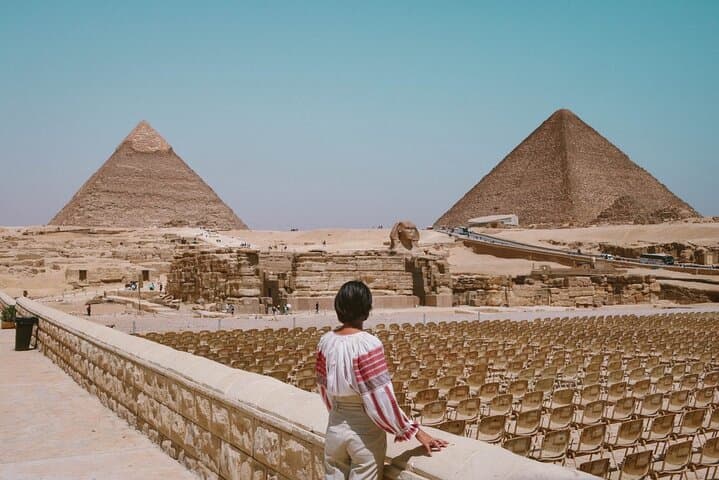
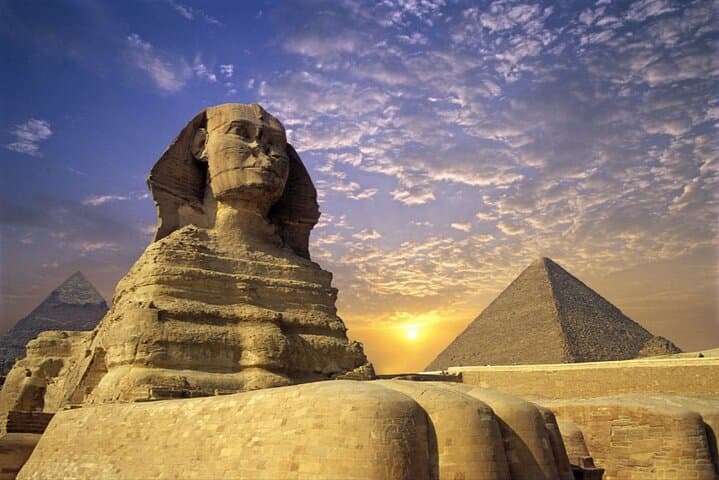
You step out of the air-conditioned van into a wind that smells of dry earth and sun-baked limestone; the Pyramids slice the horizon and the Sphinx watches, unblinking. Over three days you move between the heavy silence of millennia-old tombs and the busy, living streets of Cairo—then fly to Luxor where temple columns throw long shadows across the Nile.
You step out of the air-conditioned van into a wind that smells of dry earth and sun-baked limestone; the Pyramids slice the horizon and the Sphinx watches, unblinking. Over three days you move between the heavy silence of millennia-old tombs and the busy, living streets of Cairo—then fly to Luxor where temple columns throw long shadows across the Nile.
The route threads together distinct chapters of Egyptian history: Dahshur’s experimental Red and Bent Pyramids from Snefru’s era; Saqqara’s Step Pyramid, the cradle of monumental stone building; Giza’s monumental trio; and Luxor’s New Kingdom spectacle at Karnak, the Valley of the Kings, and Hatshepsut’s terraces. Geology plays a role—Egypt’s limestone plateaus provided both building blocks and the eroding forces that reveal painted tomb chambers today. Coptic and Islamic layers in Old Cairo and the Citadel show how the city evolved around the same river that fed ancient cities.
Practical guidance: wear sturdy closed-toe shoes for uneven stone and sand, carry a hat and 2–3 liters of water, and schedule strenuous site visits for early morning when temperatures are cooler and light is best for photography. Your Egyptologist guide handles tickets and context, but be prepared for steps, uneven floors, and tight tomb passages. Keep passports and any required permits on you; modest clothing is advised at mosques. With measured pacing, this private itinerary packs the highlights while leaving room to listen to the stones.