THE ADVENTURE COLLECTIVE® · Independent discovery and booking for outdoor travel

Spend three days in a private 4x4 at Lewa Wildlife Conservancy, where guided game drives reveal rhinos, Grevy’s zebras, elephants, and big cats alongside active conservation work. This immersive trip combines close wildlife encounters with practical insights into community-led protection.
Spend three days in a private 4x4 at Lewa Wildlife Conservancy, where guided game drives reveal rhinos, Grevy’s zebras, elephants, and big cats alongside active conservation work. This immersive trip combines close wildlife encounters with practical insights into community-led protection.
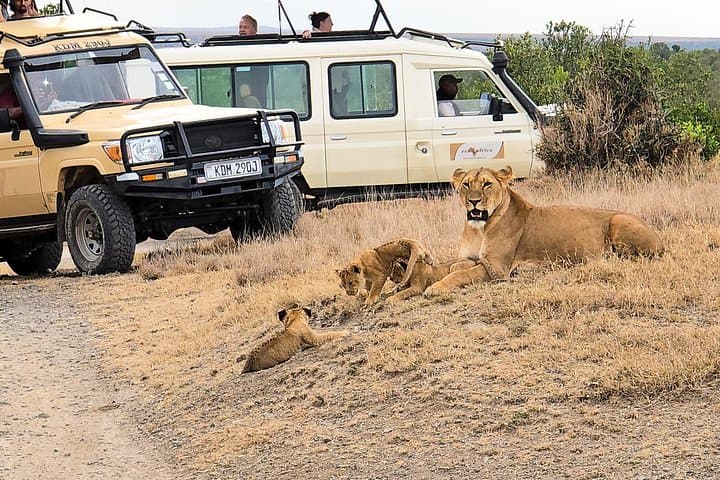
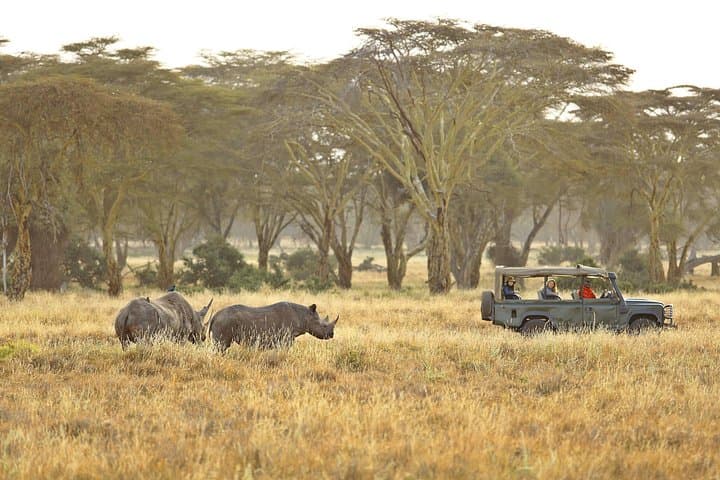
The morning light on Lewa arrives slow and deliberate, drawing the colors of the savanna out of shadow. Your private 4x4 hums along red-earth tracks as a guide scans the horizon; an elephant herd crosses deliberately, and a pair of Grevy’s zebras flick their ears at the vehicle. Each game drive feels like a carefully choreographed meeting with a wild, watchful landscape.
Verified experiences and guided adventures in the surrounding area.
Operated by Hippy Safaris · Isiolo, Laikipia County
The morning light on Lewa arrives slow and deliberate, drawing the colors of the savanna out of shadow. Your private 4x4 hums along red-earth tracks as a guide scans the horizon; an elephant herd crosses deliberately, and a pair of Grevy’s zebras flick their ears at the vehicle. Each game drive feels like a carefully choreographed meeting with a wild, watchful landscape.
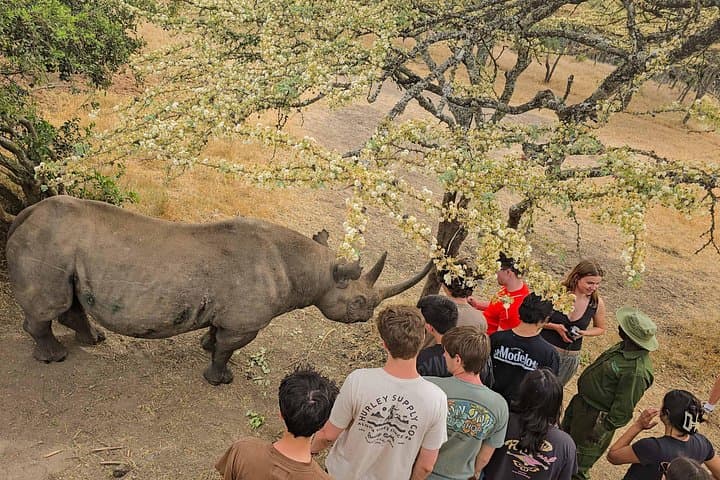
Lewa sits on the Laikipia plateau, an area of volcanic soils and riverine galleries carved by the Ewaso Ng’iro. Historically part of pastoral Maasai land, Lewa has become a global model for community-led conservation—especially for rhino protection and anti-poaching innovations. Cultural ties to local communities are visible in ranger programs and visitor briefings, which frame wildlife viewing as part of a broader stewardship story.
Expect full-day rhythms: dawn drives when predators hunt, slow midday rests at shaded pans, and evening sundowners as the sky cools. Terrain is a mix of open plains, riverine forest, and acacia-studded ridgelines—comfortable for viewing but often bumpy; your Land Cruiser will handle it, your spine less so.
Practical guidance: pack binoculars, sun protection, and a warm layer for pre-dawn drives; carry cash for tips and small handicraft purchases; follow your guide’s instructions closely around wildlife. The conservancy focuses on low-impact tourism—stay on tracks, avoid flank approaches to animals, and accept that some sightings require patience. On return to camp, expect simple luxury: flushed beds, local cuisine, and a night sky that insists you slow down and listen.
moderate.
3 days.
Should be comfortable with several hours in a vehicle and short walks; moderate mobility required for getting in/out of safari vehicles.
Most visitors are picked up in Nairobi for a roughly five-hour scenic drive north, or you can arrange a short charter flight to nearby airstrips followed by a transfer to camp.
Families can join, but checks on age restrictions and vehicle capacity apply; young children should be supervised and briefed on vehicle safety.
The package includes a stay at Lewa Safari Camp with full board—comfortable tented lodging, meals, and basic amenities appropriate to a conservancy camp.
No—wildlife sightings are likely but not guaranteed. Guides maximize chances by using local knowledge and varying routes with animal movements.
Lewa evolved from private ranch land into a pioneering conservancy focused on rhino protection and community development, shaping modern conservation models in Kenya.
Lewa emphasizes anti-poaching patrols, community partnerships, and tourism revenue-sharing—visitors are asked to minimize disturbance and support local programs where possible.
Hippy Safaris operates guided outdoor trips and adventures with an emphasis on safety, stewardship, and memorable experiences.
The morning light on Lewa arrives slow and deliberate, drawing the colors of the savanna out of shadow. Your private 4x4 hums along red-earth tracks as a guide scans the horizon; an elephant herd crosses deliberately, and a pair of Grevy’s zebras flick their ears at the vehicle. Each game drive feels like a carefully choreographed meeting with a wild, watchful landscape.
The morning light on Lewa arrives slow and deliberate, drawing the colors of the savanna out of shadow. Your private 4x4 hums along red-earth tracks as a guide scans the horizon; an elephant herd crosses deliberately, and a pair of Grevy’s zebras flick their ears at the vehicle. Each game drive feels like a carefully choreographed meeting with a wild, watchful landscape.
Lewa sits on the Laikipia plateau, an area of volcanic soils and riverine galleries carved by the Ewaso Ng’iro. Historically part of pastoral Maasai land, Lewa has become a global model for community-led conservation—especially for rhino protection and anti-poaching innovations. Cultural ties to local communities are visible in ranger programs and visitor briefings, which frame wildlife viewing as part of a broader stewardship story.
Expect full-day rhythms: dawn drives when predators hunt, slow midday rests at shaded pans, and evening sundowners as the sky cools. Terrain is a mix of open plains, riverine forest, and acacia-studded ridgelines—comfortable for viewing but often bumpy; your Land Cruiser will handle it, your spine less so.
Practical guidance: pack binoculars, sun protection, and a warm layer for pre-dawn drives; carry cash for tips and small handicraft purchases; follow your guide’s instructions closely around wildlife. The conservancy focuses on low-impact tourism—stay on tracks, avoid flank approaches to animals, and accept that some sightings require patience. On return to camp, expect simple luxury: flushed beds, local cuisine, and a night sky that insists you slow down and listen.