THE ADVENTURE COLLECTIVE® · Independent discovery and booking for outdoor travel

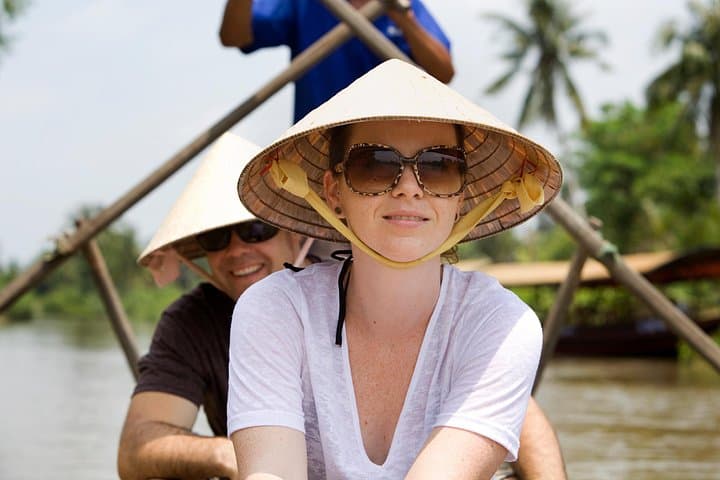
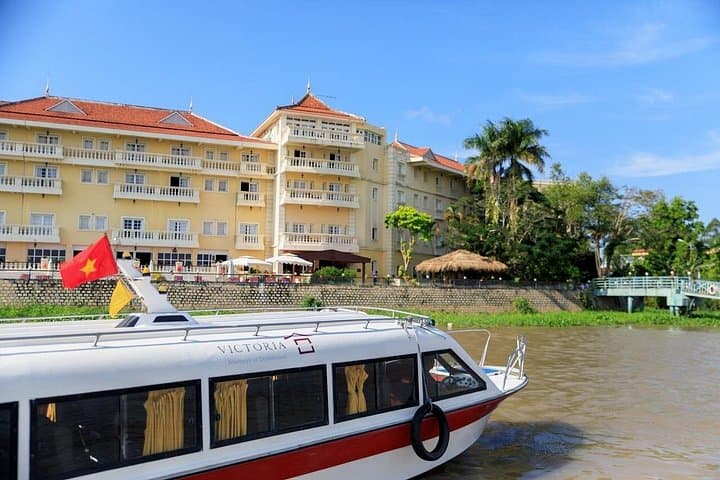
Cruise remote waterways from Phnom Penh to Ho Chi Minh over three days of speedboat travel, floating markets and bird sanctuaries. This private tour combines early-morning market runs, ecotours in Tra Su and cultural stops at pagodas and Cham villages.
Cruise remote waterways from Phnom Penh to Ho Chi Minh over three days of speedboat travel, floating markets and bird sanctuaries. This private tour combines early-morning market runs, ecotours in Tra Su and cultural stops at pagodas and Cham villages.
You push off from Phnom Penh’s Sisowath Quay as the sun warms the Tonle Sap’s slow shoulders; the speedboat answers with a clean, eager roar and the river seems to dare you forward.
Verified experiences and guided adventures in the surrounding area.
Operated by Bravo Indochina Tours · Chau Doc, An Giang
You push off from Phnom Penh’s Sisowath Quay as the sun warms the Tonle Sap’s slow shoulders; the speedboat answers with a clean, eager roar and the river seems to dare you forward.
Over three days the Mekong spreads out and tightens again—big braided channels give way to narrow canals threaded with stilt houses, floating markets and islands grown from silt. This corridor has been a trade and migration route for centuries: Khmer polities, Cham traders and later French colonial steamers all left marks you still see in pagoda architecture, mosque mosaics and riverbank farms.
Geologically the delta is young—sediment piled by the Mekong builds new land each year—so the landscape shifts with floods and seasons. Culturally, communities here mix Kinh Vietnamese, Khmer and Cham influences; silk weaving, rice drying on wooden platforms and floating commerce are lived traditions.
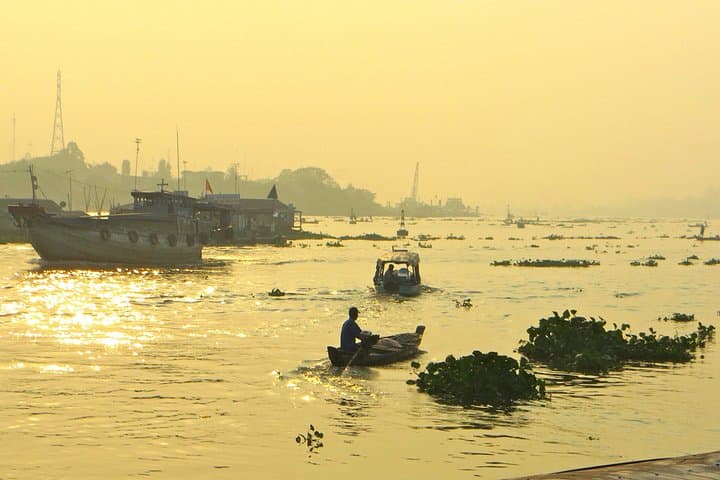
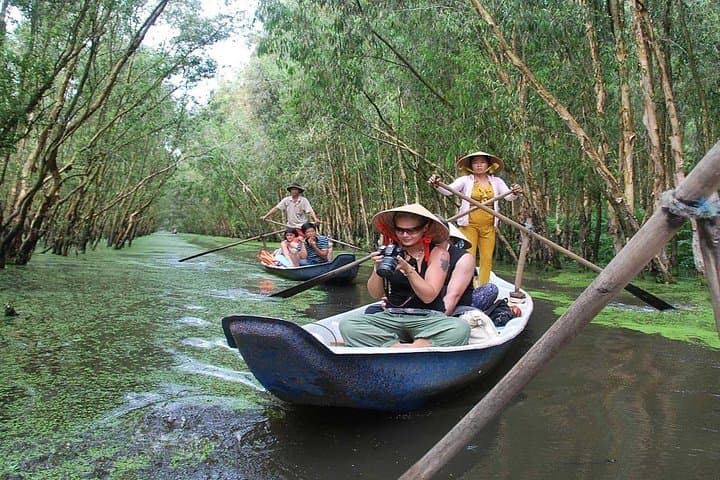
Practically, expect early mornings and a lot of time on small boats. Tra Su’s cajeput forest is shallow and maze-like—bring binoculars for the herons and cormorants. The Cai Rang market is busiest at dawn when produce, coffee and breakfast fare move between boats like clockwork.
Tips for planning: pack breathable layers for humidity and sudden rain, secure passports and Vietnam visa docs before departure, and choose the early-boat option for market photography. Hydrate between outings and keep footwear simple—slip-resistant shoes or sandals that dry fast. The itinerary balances relaxed cruising with short village visits, so you’ll feel river-time more than road-time by the trip’s end.
easy.
3 days.
Suitable for most fitness levels; requires ability to board small boats and walk short uneven village paths
Yes. Travelers must obtain a Vietnamese visa in advance; the tour operator does not provide visa-on-arrival at the land border.
Early morning (around 5–7am) is prime—boats are busiest then and light is best for photos.
The tour is rated easy and suitable for most ages, but boat boarding and some short walks on uneven surfaces may be challenging for limited-mobility travelers.
The itinerary includes two lunches and two nights’ accommodation as specified; confirm meal details at booking for dietary needs.
The Mekong Delta has been shaped by Khmer settlement, Cham trade networks and later French colonial influence; Chau Doc’s Sam Mountain became a crossroads of culture and pilgrimage.
Seasonal flooding and upstream dam projects affect sediment flows and fish migrations; support local guides and protected sites like Tra Su to minimize your footprint.
Bravo Indochina Tours operates guided outdoor trips and adventures with an emphasis on safety, stewardship, and memorable experiences.
You push off from Phnom Penh’s Sisowath Quay as the sun warms the Tonle Sap’s slow shoulders; the speedboat answers with a clean, eager roar and the river seems to dare you forward.
You push off from Phnom Penh’s Sisowath Quay as the sun warms the Tonle Sap’s slow shoulders; the speedboat answers with a clean, eager roar and the river seems to dare you forward.
Over three days the Mekong spreads out and tightens again—big braided channels give way to narrow canals threaded with stilt houses, floating markets and islands grown from silt. This corridor has been a trade and migration route for centuries: Khmer polities, Cham traders and later French colonial steamers all left marks you still see in pagoda architecture, mosque mosaics and riverbank farms.
Geologically the delta is young—sediment piled by the Mekong builds new land each year—so the landscape shifts with floods and seasons. Culturally, communities here mix Kinh Vietnamese, Khmer and Cham influences; silk weaving, rice drying on wooden platforms and floating commerce are lived traditions.
Practically, expect early mornings and a lot of time on small boats. Tra Su’s cajeput forest is shallow and maze-like—bring binoculars for the herons and cormorants. The Cai Rang market is busiest at dawn when produce, coffee and breakfast fare move between boats like clockwork.
Tips for planning: pack breathable layers for humidity and sudden rain, secure passports and Vietnam visa docs before departure, and choose the early-boat option for market photography. Hydrate between outings and keep footwear simple—slip-resistant shoes or sandals that dry fast. The itinerary balances relaxed cruising with short village visits, so you’ll feel river-time more than road-time by the trip’s end.