THE ADVENTURE COLLECTIVE® · Independent discovery and booking for outdoor travel

Three days in the Masai Mara mean predator-rich game drives, Rift Valley viewpoints, and river-side camps with pulse-quickening wildlife sightings. This private safari balances close-up encounters with practical logistics—early starts, dusty roads, and expert guides.
Three days in the Masai Mara mean predator-rich game drives, Rift Valley viewpoints, and river-side camps with pulse-quickening wildlife sightings. This private safari balances close-up encounters with practical logistics—early starts, dusty roads, and expert guides.
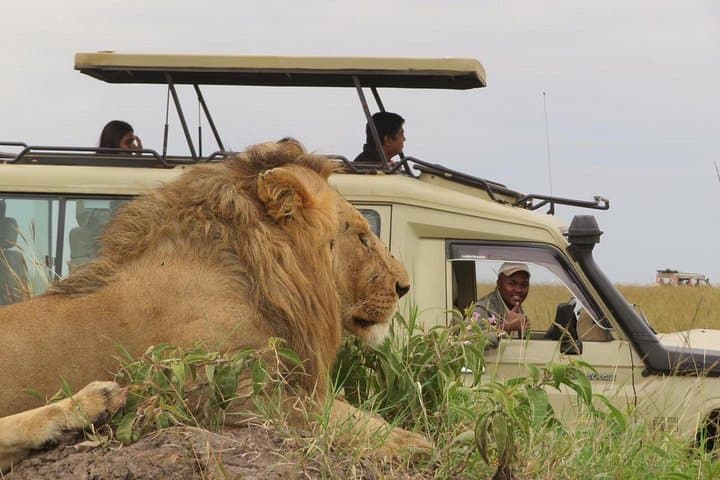
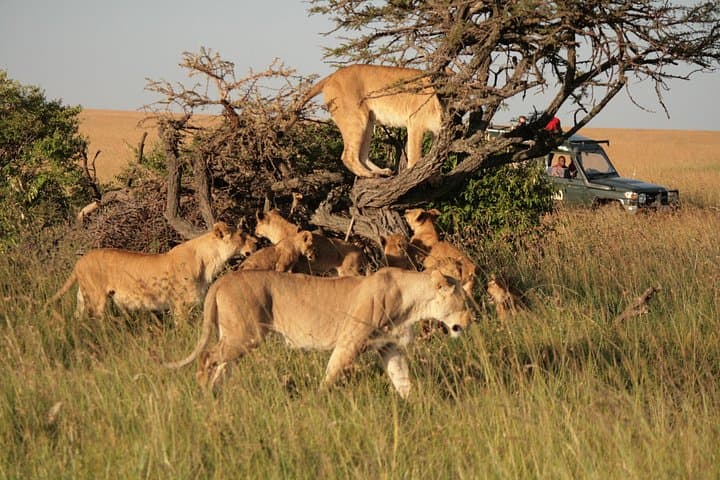
Dawn breaks over grass that hums with life; acacia silhouettes sharpen against a diffuse gold, and the Talek River murmurs as if it’s daring you to follow. For three days you move through that pulse—windows down, guide narrating the terrain, plains opening and folding into pockets of shade where lions laze and eland move like slow shadows.
Verified experiences and guided adventures in the surrounding area.
Operated by Classic Explorers · Masai Mara, Narok County
Dawn breaks over grass that hums with life; acacia silhouettes sharpen against a diffuse gold, and the Talek River murmurs as if it’s daring you to follow. For three days you move through that pulse—windows down, guide narrating the terrain, plains opening and folding into pockets of shade where lions laze and eland move like slow shadows.
The Masai Mara sits at the southwestern edge of Kenya’s Great Rift Valley, a geological scar that frames long vistas and concentrates wildlife where rivers thread the plains. The reserve takes its name from the Maasai people—pastoralists whose presence and grazing practices shaped this grassland for generations—and from the Mara River, the park’s lifeline and dramatic crossing site during migration.
Cultural notes arrive in conversation at camp: Maasai beadwork, pastoral land use, and community conservancies that now partner with lodges to protect corridors. Geology shows in the escarpment viewpoints you pass en route; this ridge offers a quick lesson in continental rifting and weathered volcanic soils.
Practically, expect long game-drive days with early starts and late returns, dust on clothes, and close but respectful encounters with elephants, lions, and hippos near rivers. Accommodation ranges from permanent tented camps along the Talek to lodges with warm meals and hot water. Pack binoculars, sun protection, layered clothing for cool mornings, and a camera with a long lens.
Timing matters—dry months concentrate game, while the migration window delivers river-crossing drama. Travel with an experienced guide, keep distance from wildlife, and let the Mara’s rhythms set your pace.
moderate.
3 days (approx. 72 hours).
Moderate fitness: able to endure long vehicle days, short walks, and quick boardings; not strenuous but requires mobility.
Yes—private vehicles allow flexible pacing, but confirm age limits with the operator and ensure children are supervised around wildlife.
Typical inclusions are park entrance fees, game drives, meals as listed, airport or hotel pickup in Nairobi, bottled water in the vehicle, and an English-speaking guide.
The Mara typically hosts the migration from July to October when herds cross the Mara River; however, sightings can vary year to year.
Recommended: routine vaccinations plus malaria prophylaxis; carry travel insurance and AMREF Flying Doctors cover if not provided by the operator.
The reserve takes its name from the Maasai people and was set aside in the mid-20th century as a wildlife area; pastoral traditions and conservation efforts continue to shape land use.
Community conservancies and lodges collaborate on anti-poaching and habitat corridors; visitors can reduce impact by staying on roads, minimizing noise, and supporting local guides.
Classic Explorers operates guided outdoor trips and adventures with an emphasis on safety, stewardship, and memorable experiences.
Dawn breaks over grass that hums with life; acacia silhouettes sharpen against a diffuse gold, and the Talek River murmurs as if it’s daring you to follow. For three days you move through that pulse—windows down, guide narrating the terrain, plains opening and folding into pockets of shade where lions laze and eland move like slow shadows.
Dawn breaks over grass that hums with life; acacia silhouettes sharpen against a diffuse gold, and the Talek River murmurs as if it’s daring you to follow. For three days you move through that pulse—windows down, guide narrating the terrain, plains opening and folding into pockets of shade where lions laze and eland move like slow shadows.
The Masai Mara sits at the southwestern edge of Kenya’s Great Rift Valley, a geological scar that frames long vistas and concentrates wildlife where rivers thread the plains. The reserve takes its name from the Maasai people—pastoralists whose presence and grazing practices shaped this grassland for generations—and from the Mara River, the park’s lifeline and dramatic crossing site during migration.
Cultural notes arrive in conversation at camp: Maasai beadwork, pastoral land use, and community conservancies that now partner with lodges to protect corridors. Geology shows in the escarpment viewpoints you pass en route; this ridge offers a quick lesson in continental rifting and weathered volcanic soils.
Practically, expect long game-drive days with early starts and late returns, dust on clothes, and close but respectful encounters with elephants, lions, and hippos near rivers. Accommodation ranges from permanent tented camps along the Talek to lodges with warm meals and hot water. Pack binoculars, sun protection, layered clothing for cool mornings, and a camera with a long lens.
Timing matters—dry months concentrate game, while the migration window delivers river-crossing drama. Travel with an experienced guide, keep distance from wildlife, and let the Mara’s rhythms set your pace.