THE ADVENTURE COLLECTIVE® · Independent discovery and booking for outdoor travel

Three days of open‑roof game drives moving from Seronera’s wide plains to the Ngorongoro caldera edge — a compact, high‑value safari that stacks migration highlights with crater wildlife. Practical, guided, and suited to travelers who want concentrated viewing in comfortable tents and lodges.
Three days of open‑roof game drives moving from Seronera’s wide plains to the Ngorongoro caldera edge — a compact, high‑value safari that stacks migration highlights with crater wildlife. Practical, guided, and suited to travelers who want concentrated viewing in comfortable tents and lodges.
Dawn breaks over a horizon that seems to have no edge — the Serengeti’s grass sea rolls in slow waves, interrupted only by squat kopjes where leopards watch like folded shadows. Guests climb into an open‑roof vehicle; the air tastes of dust and coffee, and the land immediately sets its own pace. In three days the itinerary moves from Seronera’s central plains out to the Ngorongoro rim, trading endless grasslands for the bowl of the world’s largest intact caldera.
Verified experiences and guided adventures in the surrounding area.
Operated by Africa Outland Tours · Arusha, Arusha Region
Dawn breaks over a horizon that seems to have no edge — the Serengeti’s grass sea rolls in slow waves, interrupted only by squat kopjes where leopards watch like folded shadows. Guests climb into an open‑roof vehicle; the air tastes of dust and coffee, and the land immediately sets its own pace. In three days the itinerary moves from Seronera’s central plains out to the Ngorongoro rim, trading endless grasslands for the bowl of the world’s largest intact caldera.
The Serengeti name comes from the Maasai word Siringitu, “endless plains,” and the park’s granite kopjes are the patient work of million‑year weathering. Ngorongoro formed when a volcano collapsed roughly two to three million years ago; its rim sits around 2,200–2,400 m above sea level, and the crater floor supports a dense mix of grassland and acacia that concentrates wildlife. Maasai culture threads the region — cattle corridors and local guides maintain knowledge of animal movements and seasonal camps.
Practically: expect multiple game drives from an open‑roof 4x4, nights in safari‑style tents or lodges, picnic lunches, and a final crater descent where predators and prey gather in countable numbers. Temperatures swing — hot on the plains, cool on the crater edge — so layers matter. Binoculars, sun protection, and a camera with a good zoom are essential; carry water and motion‑sickness remedies for dusty roads. Departure and return center on Arusha; drives include long sections on unsealed roads, with wildlife sightings concentrated at dawn and dusk. For travelers after a compact, wildlife‑dense experience, this three‑day loop delivers concentrated viewing and comfortable, guided logistics without sacrificing the rawness of East Africa’s great savannah.
easy.
3 days (72 hours).
Light fitness: must be able to climb into vehicles and tolerate bumpy drives; short walks may be required.
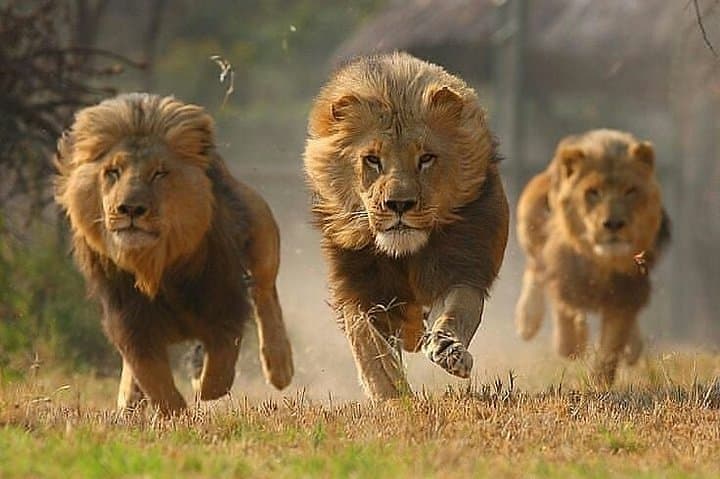
The itinerary concentrates viewing in Seronera and Ngorongoro, offering high chances of seeing wildebeest, zebra, lions, leopards, and large herbivores; sightings vary by season and animal movement.
Nights alternate between safari‑style tents (camping standard) and lodge accommodation on the final night, with meals included as described in the itinerary.
Yes—this private tour is rated easy and suitable for all fitness levels, but check vehicle seating and child safety policies when booking.
Consult a travel health clinic before travel; typhoid, hepatitis A, and routine vaccinations are commonly recommended and malaria prophylaxis is advised for much of northern Tanzania.
The Ngorongoro crater is a collapsed volcanic caldera, and the Serengeti region has been inhabited and traversed by Maasai pastoralists for centuries, their seasonal movements shaping local ecology.
Both Serengeti and Ngorongoro are protected areas with active conservation programs; visitors should follow park rules to minimize disturbance and support local conservation fees.
Africa Outland Tours operates guided outdoor trips and adventures with an emphasis on safety, stewardship, and memorable experiences.
Dawn breaks over a horizon that seems to have no edge — the Serengeti’s grass sea rolls in slow waves, interrupted only by squat kopjes where leopards watch like folded shadows. Guests climb into an open‑roof vehicle; the air tastes of dust and coffee, and the land immediately sets its own pace. In three days the itinerary moves from Seronera’s central plains out to the Ngorongoro rim, trading endless grasslands for the bowl of the world’s largest intact caldera.
Dawn breaks over a horizon that seems to have no edge — the Serengeti’s grass sea rolls in slow waves, interrupted only by squat kopjes where leopards watch like folded shadows. Guests climb into an open‑roof vehicle; the air tastes of dust and coffee, and the land immediately sets its own pace. In three days the itinerary moves from Seronera’s central plains out to the Ngorongoro rim, trading endless grasslands for the bowl of the world’s largest intact caldera.
The Serengeti name comes from the Maasai word Siringitu, “endless plains,” and the park’s granite kopjes are the patient work of million‑year weathering. Ngorongoro formed when a volcano collapsed roughly two to three million years ago; its rim sits around 2,200–2,400 m above sea level, and the crater floor supports a dense mix of grassland and acacia that concentrates wildlife. Maasai culture threads the region — cattle corridors and local guides maintain knowledge of animal movements and seasonal camps.
Practically: expect multiple game drives from an open‑roof 4x4, nights in safari‑style tents or lodges, picnic lunches, and a final crater descent where predators and prey gather in countable numbers. Temperatures swing — hot on the plains, cool on the crater edge — so layers matter. Binoculars, sun protection, and a camera with a good zoom are essential; carry water and motion‑sickness remedies for dusty roads. Departure and return center on Arusha; drives include long sections on unsealed roads, with wildlife sightings concentrated at dawn and dusk. For travelers after a compact, wildlife‑dense experience, this three‑day loop delivers concentrated viewing and comfortable, guided logistics without sacrificing the rawness of East Africa’s great savannah.