THE ADVENTURE COLLECTIVE® · Independent discovery and booking for outdoor travel

Conquer Vietnam’s northernmost highways in comfort on a private 3-day jeep loop through the Dong Van Karst Plateau. Expect dramatic passes, ethnic homestays, and iconic viewpoints like Ma Pi Leng and Lung Cu.
Conquer Vietnam’s northernmost highways in comfort on a private 3-day jeep loop through the Dong Van Karst Plateau. Expect dramatic passes, ethnic homestays, and iconic viewpoints like Ma Pi Leng and Lung Cu.
You pull away from Ha Giang town before dawn and the mountains step forward—sheer karst ridges and carved switchbacks climbing through mist. The open-air military-style jeep hums along the ‘Happiness Road,’ each bend revealing a new angle on the Dong Van Karst Plateau: limestone cliffs, terraced fields, and the Nho Que River threading the canyon below.
Verified experiences and guided adventures in the surrounding area.
Operated by Charming Tourist · Ha Giang, Ha Giang Province
You pull away from Ha Giang town before dawn and the mountains step forward—sheer karst ridges and carved switchbacks climbing through mist. The open-air military-style jeep hums along the ‘Happiness Road,’ each bend revealing a new angle on the Dong Van Karst Plateau: limestone cliffs, terraced fields, and the Nho Que River threading the canyon below.
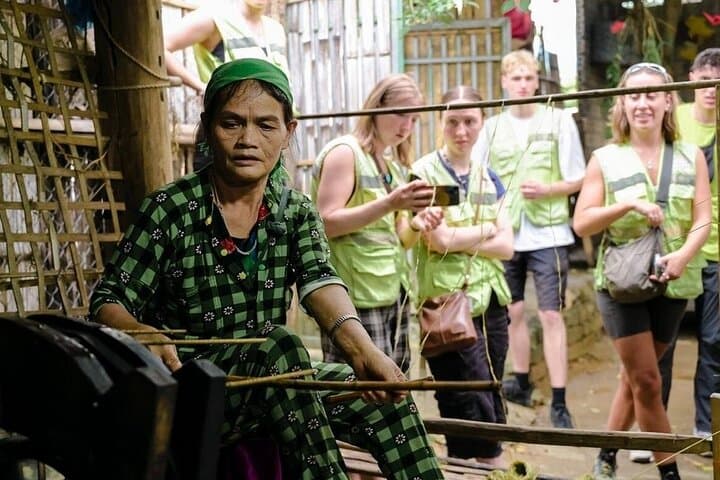
This region sits on a dramatic geological stage — a UNESCO-recognized karst plateau worn into sharp peaks and deep gorges over millions of years. Human history is visible in stone: the H’mong King’s Palace in Sa Phin, built by the Vuong family in the early 20th century, and the patchwork of ethnic H’mong and Tay villages that still practice age-old farming and textile traditions.
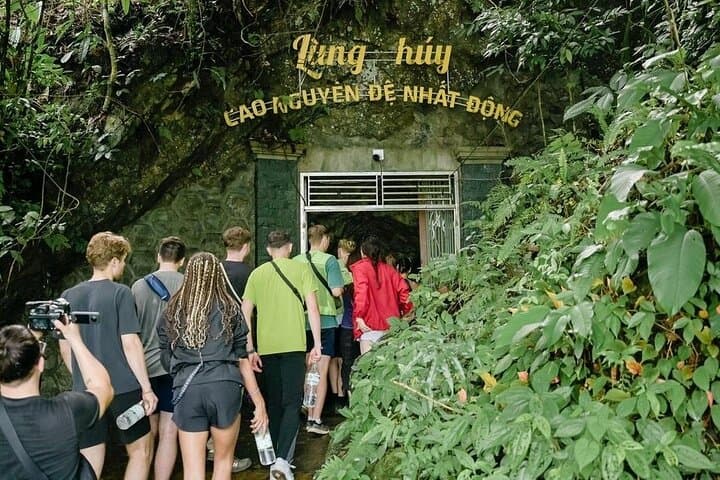
Over three days you’ll cover roughly 250–350 km of mountain roads, cresting passes around 1,200 m at Ma Pi Leng and pausing for valley-side views at Heaven’s Gate and Lung Cu Flag Tower. Expect paved but narrow roads, frequent switchbacks, and sections of rough pavement where the jeep’s suspension earns its keep.
Practical edge: travel light, bring layers for sharp temperature swings, and plan for early starts to avoid afternoon rain and maximize light for photos. Homestays in Du Gia and Dong Van give the clearest cultural window—accept invitations, and carry small cash for local purchases. The jeep removes motorbike fatigue while keeping you close to the landscape; still, motion-sickness precautions and basic fitness for short walks to viewpoints will make the trip more comfortable.
moderate.
3 days (approx. 72 hours).
Moderate fitness for short walks to viewpoints, getting in/out of the jeep, and adapting to altitude changes.
The 3-day route covers roughly 250–350 km of mountain roads, spread across daily drives between towns and viewpoints.
Yes—two nights’ accommodation in homestays or basic hotels are included, typically in Du Gia and Dong Van.
Not recommended—the itinerary notes that spinal issues may be aggravated by long jeep hours and rougher road sections.
Yes—bring Vietnamese dong for small purchases, tips, and local vendors; some homestays may not accept cards.
The Vuong family’s H’mong King Palace in Sa Phin (early 20th century) reflects local power structures and French-era influences in the highlands.
The Dong Van Karst Plateau is a geopark with initiatives to reduce erosion and manage visitor impact—stick to trails, support local homestays, and avoid single-use plastics.
Charming Tourist operates guided outdoor trips and adventures with an emphasis on safety, stewardship, and memorable experiences.


You pull away from Ha Giang town before dawn and the mountains step forward—sheer karst ridges and carved switchbacks climbing through mist. The open-air military-style jeep hums along the ‘Happiness Road,’ each bend revealing a new angle on the Dong Van Karst Plateau: limestone cliffs, terraced fields, and the Nho Que River threading the canyon below.
You pull away from Ha Giang town before dawn and the mountains step forward—sheer karst ridges and carved switchbacks climbing through mist. The open-air military-style jeep hums along the ‘Happiness Road,’ each bend revealing a new angle on the Dong Van Karst Plateau: limestone cliffs, terraced fields, and the Nho Que River threading the canyon below.
This region sits on a dramatic geological stage — a UNESCO-recognized karst plateau worn into sharp peaks and deep gorges over millions of years. Human history is visible in stone: the H’mong King’s Palace in Sa Phin, built by the Vuong family in the early 20th century, and the patchwork of ethnic H’mong and Tay villages that still practice age-old farming and textile traditions.
Over three days you’ll cover roughly 250–350 km of mountain roads, cresting passes around 1,200 m at Ma Pi Leng and pausing for valley-side views at Heaven’s Gate and Lung Cu Flag Tower. Expect paved but narrow roads, frequent switchbacks, and sections of rough pavement where the jeep’s suspension earns its keep.
Practical edge: travel light, bring layers for sharp temperature swings, and plan for early starts to avoid afternoon rain and maximize light for photos. Homestays in Du Gia and Dong Van give the clearest cultural window—accept invitations, and carry small cash for local purchases. The jeep removes motorbike fatigue while keeping you close to the landscape; still, motion-sickness precautions and basic fitness for short walks to viewpoints will make the trip more comfortable.