THE ADVENTURE COLLECTIVE® · Independent discovery and booking for outdoor travel

Spend three days tracking mountain gorillas in Bwindi’s Rushaga sector with private guides, cultural visits to the Batwa community, and scenic stops en route to/from Kampala. Expect steep forest trails, variable trekking times, and close-up wildlife viewing governed by strict park rules.
Spend three days tracking mountain gorillas in Bwindi’s Rushaga sector with private guides, cultural visits to the Batwa community, and scenic stops en route to/from Kampala. Expect steep forest trails, variable trekking times, and close-up wildlife viewing governed by strict park rules.
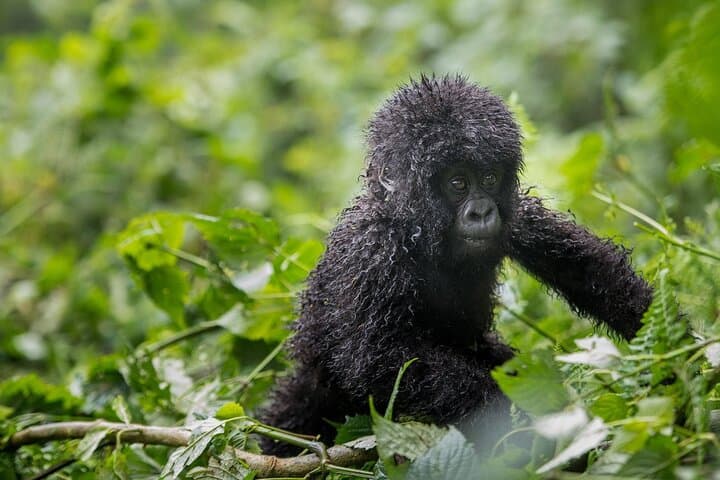
Mist hangs in the forest as you step from the vehicle into the damp earth of Bwindi’s Rushaga sector; vines brush against your sleeves and birds choreograph a restless soundtrack. The forest feels deliberate — leaves drip, streams murmur, and a ranger’s voice cuts through with practiced calm as groups prepare to head into the impenetrable green.
Verified experiences and guided adventures in the surrounding area.
Operated by Native Africa Tours · Kisoro, Kisoro District
Mist hangs in the forest as you step from the vehicle into the damp earth of Bwindi’s Rushaga sector; vines brush against your sleeves and birds choreograph a restless soundtrack. The forest feels deliberate — leaves drip, streams murmur, and a ranger’s voice cuts through with practiced calm as groups prepare to head into the impenetrable green.
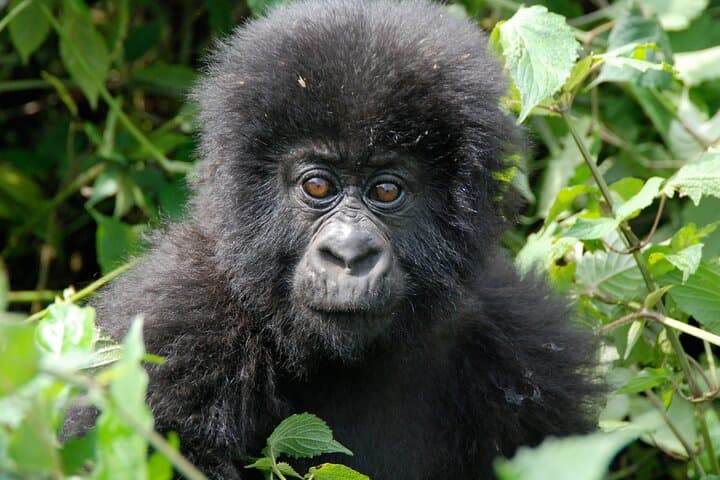
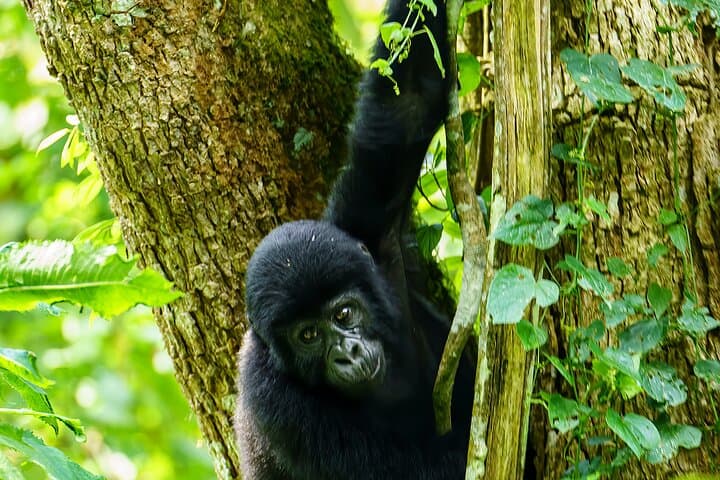
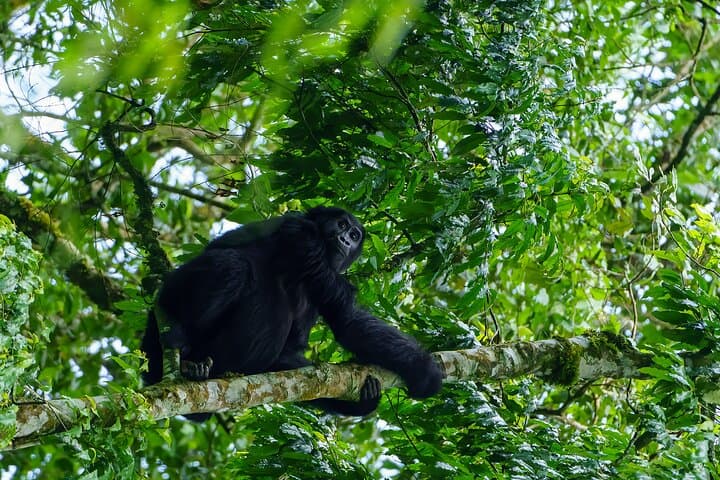
Bwindi Impenetrable National Park is an ancient montane rainforest, carved by geology and time and recognized as a UNESCO World Heritage Site for its unique biodiversity. The park protects roughly half of the world’s remaining mountain gorillas, and local Batwa communities — former forest foragers — offer a rare cultural counterpoint to the tracking experience. Expect steep slopes underfoot, dense understory, and sudden clearings where silverbacks may lounge within a camera’s range.
Practically, this private 3-day itinerary starts with a long but scenic drive from Kampala, an overnight near Rushaga, and a full-day trek the next day; tracking times vary from one hour to most of the day depending on gorilla movement and group pace. Park rules limit viewing to one hour per group and restrict group size; rangers brief visitors on distance, noise, and hygiene protocols to protect both gorillas and people.
Pack breathable layers, sturdy waterproof boots, insect repellent and a small daypack with water and snacks. Move deliberately on muddy slopes, follow your ranger’s lead through gullies, and respect the animals’ space — the payoff is close-range observation of an intelligent, social species in its wild home. This safari blends wildlife intensity with meaningful cultural stops like a Batwa village visit and a photo stop at the Equator, delivering both spectacle and context.
challenging.
3 days (plus 8–9 hr drives each way; trekking 1–7 hours on day 2).
Moderate to high; be prepared for steep, wet terrain and several hours on your feet.
Tracking time varies widely—treks can be as short as one hour if gorillas are nearby or up to 6–7 hours when groups have moved; rangers adjust the route based on recent sightings.
Yes—gorilla permits are required and limited; this private tour includes tracking arrangements, but permits must be secured in advance to guarantee access.
Trekking can be physically demanding with steep, uneven terrain; it’s not recommended for those with serious mobility or cardiovascular issues, and age restrictions for permits may apply.
Bwindi hosts diverse species — expect to encounter several monkey species, birdlife like the African green broadbill, and occasionally forest antelope or elephants at the forest edge.
Bwindi Impenetrable National Park protects an ancient Afromontane forest and was designated a UNESCO World Heritage Site in recognition of its biodiversity and role as the primary habitat for mountain gorillas.
Gorilla tourism is tightly regulated—limited permits, one-hour viewing rules, and ranger-led groups help minimize disturbance while revenue supports anti-poaching, park management, and local community programs.
Native Africa Tours operates guided outdoor trips and adventures with an emphasis on safety, stewardship, and memorable experiences.
Mist hangs in the forest as you step from the vehicle into the damp earth of Bwindi’s Rushaga sector; vines brush against your sleeves and birds choreograph a restless soundtrack. The forest feels deliberate — leaves drip, streams murmur, and a ranger’s voice cuts through with practiced calm as groups prepare to head into the impenetrable green.
Mist hangs in the forest as you step from the vehicle into the damp earth of Bwindi’s Rushaga sector; vines brush against your sleeves and birds choreograph a restless soundtrack. The forest feels deliberate — leaves drip, streams murmur, and a ranger’s voice cuts through with practiced calm as groups prepare to head into the impenetrable green.
Bwindi Impenetrable National Park is an ancient montane rainforest, carved by geology and time and recognized as a UNESCO World Heritage Site for its unique biodiversity. The park protects roughly half of the world’s remaining mountain gorillas, and local Batwa communities — former forest foragers — offer a rare cultural counterpoint to the tracking experience. Expect steep slopes underfoot, dense understory, and sudden clearings where silverbacks may lounge within a camera’s range.
Practically, this private 3-day itinerary starts with a long but scenic drive from Kampala, an overnight near Rushaga, and a full-day trek the next day; tracking times vary from one hour to most of the day depending on gorilla movement and group pace. Park rules limit viewing to one hour per group and restrict group size; rangers brief visitors on distance, noise, and hygiene protocols to protect both gorillas and people.
Pack breathable layers, sturdy waterproof boots, insect repellent and a small daypack with water and snacks. Move deliberately on muddy slopes, follow your ranger’s lead through gullies, and respect the animals’ space — the payoff is close-range observation of an intelligent, social species in its wild home. This safari blends wildlife intensity with meaningful cultural stops like a Batwa village visit and a photo stop at the Equator, delivering both spectacle and context.