THE ADVENTURE COLLECTIVE® · Independent discovery and booking for outdoor travel

A fast-paced, private three-day circuit from Delhi to Agra and Jaipur that pairs sunrise at the Taj Mahal with Mughal forts, Fatehpur Sikri and Jaipur’s royal palaces. Expect early mornings, long drives on the Yamuna Expressway and rich architectural history.
A fast-paced, private three-day circuit from Delhi to Agra and Jaipur that pairs sunrise at the Taj Mahal with Mughal forts, Fatehpur Sikri and Jaipur’s royal palaces. Expect early mornings, long drives on the Yamuna Expressway and rich architectural history.
You step out into the predawn hum of Old Delhi, rickshaw bells and chai stall steam stitching the street into motion. The tour moves from cramped lanes to broad colonial boulevards, then onto the flat Yamuna plains where Agra’s white marble waits at dawn, and finally up toward the ochre forts and Aravalli ridgelines surrounding Jaipur.
Verified experiences and guided adventures in the surrounding area.
Operated by Akbran Tour · New Delhi, Delhi
You step out into the predawn hum of Old Delhi, rickshaw bells and chai stall steam stitching the street into motion. The tour moves from cramped lanes to broad colonial boulevards, then onto the flat Yamuna plains where Agra’s white marble waits at dawn, and finally up toward the ochre forts and Aravalli ridgelines surrounding Jaipur.
This three-day circuit traces layers of history: Mughal courts that shaped the Taj and Agra Fort, Akbar’s red-sandstone experiment at Fatehpur Sikri, and Jaipur’s 18th‑century city plan painted pink by royal edict. Geologically the route follows the Indo-Gangetic alluvial plain before brushing the ancient Aravalli Range; sandstone and marble dominate the built landscape, carrying centuries of craftsmanship and climatic wear.
Culturally the Golden Triangle is a study in contrasts — bustling bazaars, formal Mughal gardens, and palaces that read like civic theater. Local insights: sunrise at the Taj is quieter and cooler; Fatehpur Sikri’s water scarcity explains its 16th‑century abandonment; Jaipur’s bazaars are best navigated with a list.
Practical guidance: plan early starts to avoid peak heat and crowds, carry a copy of ID for monument entry, and respect modest dress codes at religious sites. Expect long drives—Delhi to Agra via the Yamuna Expressway is roughly 3–4 hours (about 230 km), Agra to Jaipur about 4–6 hours depending on stops. Comfortable walking shoes, sunscreen, and reusable water are essential. The itinerary is largely vehicle-supported and suitable for travelers who prefer guided cultural exploration over strenuous activity.
easy.
3 days.
Light activity; suitable for travelers comfortable with full days of walking and short uphill sections in forts.
This tour indicates monument entry fees are included; confirm specific sites on booking confirmation.
The Taj Mahal is closed on Fridays for congregational prayers; plan the sunrise visit on another day.
The itinerary is vehicle-supported with short walks; suitable for children and most seniors but notify the operator of mobility needs.
Two lunches and two nights’ 5‑star accommodation are included; tipping local guides and drivers is customary and discretionary.
The route spotlights Mughal and Rajput eras: the Taj was commissioned by Shah Jahan in the 17th century, while Fatehpur Sikri was Akbar’s short‑lived capital built in the late 16th century.
Air pollution and visitor wear affect marble monuments; favor bottled or filtered water and follow site rules to reduce impact.
Akbran Tour operates guided outdoor trips and adventures with an emphasis on safety, stewardship, and memorable experiences.
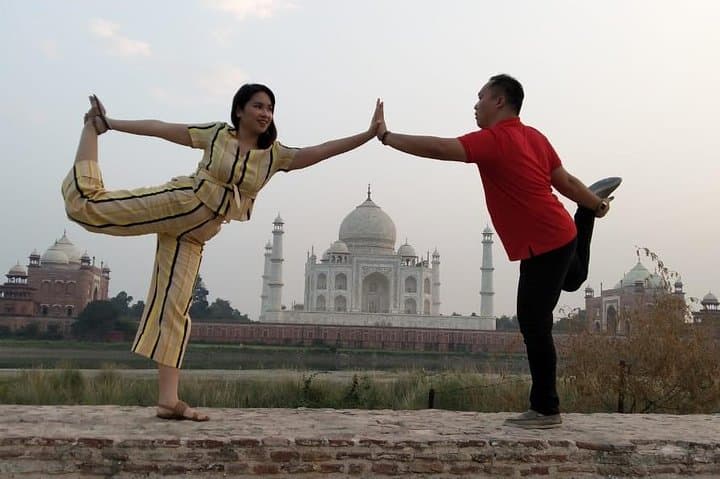
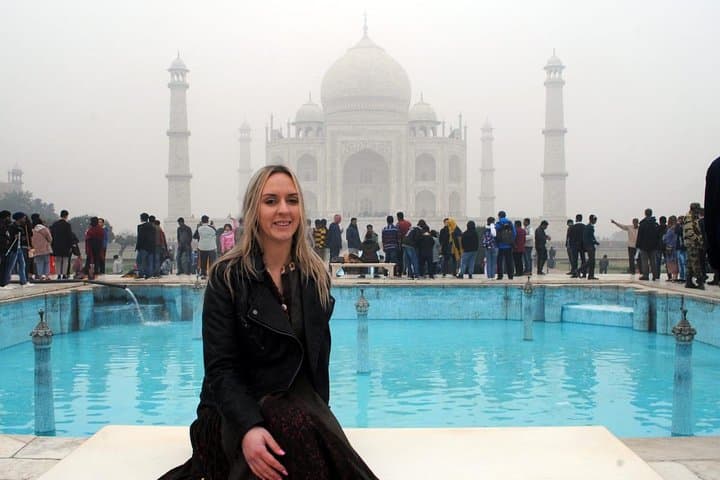
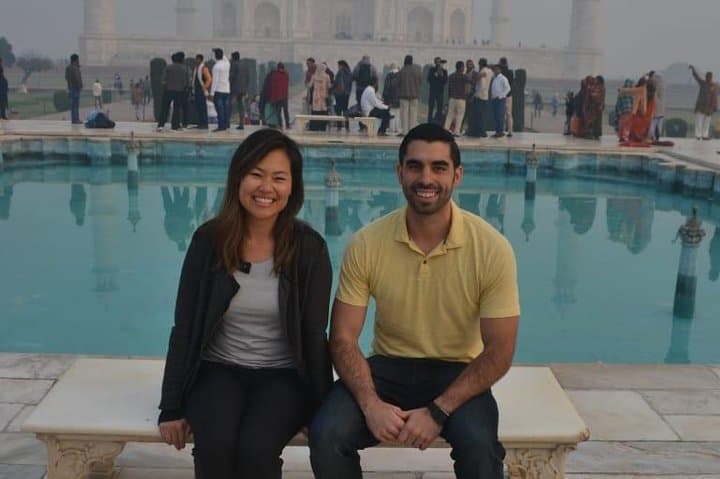
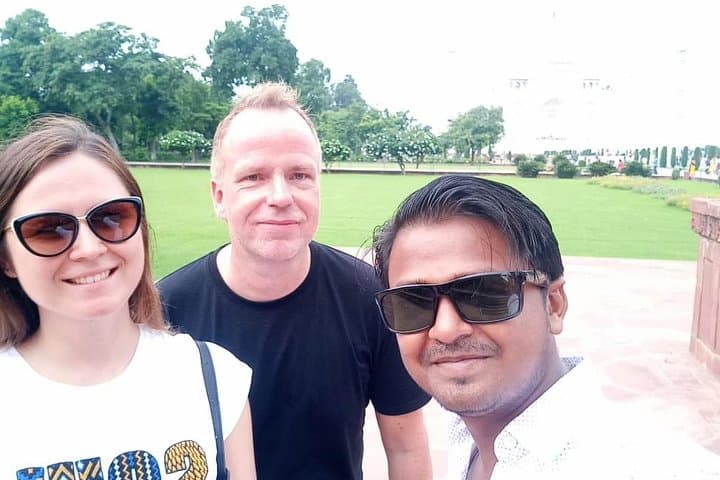
You step out into the predawn hum of Old Delhi, rickshaw bells and chai stall steam stitching the street into motion. The tour moves from cramped lanes to broad colonial boulevards, then onto the flat Yamuna plains where Agra’s white marble waits at dawn, and finally up toward the ochre forts and Aravalli ridgelines surrounding Jaipur.
You step out into the predawn hum of Old Delhi, rickshaw bells and chai stall steam stitching the street into motion. The tour moves from cramped lanes to broad colonial boulevards, then onto the flat Yamuna plains where Agra’s white marble waits at dawn, and finally up toward the ochre forts and Aravalli ridgelines surrounding Jaipur.
This three-day circuit traces layers of history: Mughal courts that shaped the Taj and Agra Fort, Akbar’s red-sandstone experiment at Fatehpur Sikri, and Jaipur’s 18th‑century city plan painted pink by royal edict. Geologically the route follows the Indo-Gangetic alluvial plain before brushing the ancient Aravalli Range; sandstone and marble dominate the built landscape, carrying centuries of craftsmanship and climatic wear.
Culturally the Golden Triangle is a study in contrasts — bustling bazaars, formal Mughal gardens, and palaces that read like civic theater. Local insights: sunrise at the Taj is quieter and cooler; Fatehpur Sikri’s water scarcity explains its 16th‑century abandonment; Jaipur’s bazaars are best navigated with a list.
Practical guidance: plan early starts to avoid peak heat and crowds, carry a copy of ID for monument entry, and respect modest dress codes at religious sites. Expect long drives—Delhi to Agra via the Yamuna Expressway is roughly 3–4 hours (about 230 km), Agra to Jaipur about 4–6 hours depending on stops. Comfortable walking shoes, sunscreen, and reusable water are essential. The itinerary is largely vehicle-supported and suitable for travelers who prefer guided cultural exploration over strenuous activity.