THE ADVENTURE COLLECTIVE® · Independent discovery and booking for outdoor travel

Spend three days between the bustling streets of Dhaka and the riverine ruins of Sonargaon. This private tour pairs city monuments, local markets, and a traditional rowboat ride on the Meghna for a compact introduction to Bengal’s history and living river culture.
Spend three days between the bustling streets of Dhaka and the riverine ruins of Sonargaon. This private tour pairs city monuments, local markets, and a traditional rowboat ride on the Meghna for a compact introduction to Bengal’s history and living river culture.
You step out into Dhaka’s humid morning and the city presses in: rickshaws humming, a scent of frying street snacks, and the Buriganga river tugging at the edge of the old city like a persistent storyteller.
Verified experiences and guided adventures in the surrounding area.
Operated by Travel Trips · Dhaka, Dhaka
You step out into Dhaka’s humid morning and the city presses in: rickshaws humming, a scent of frying street snacks, and the Buriganga river tugging at the edge of the old city like a persistent storyteller.
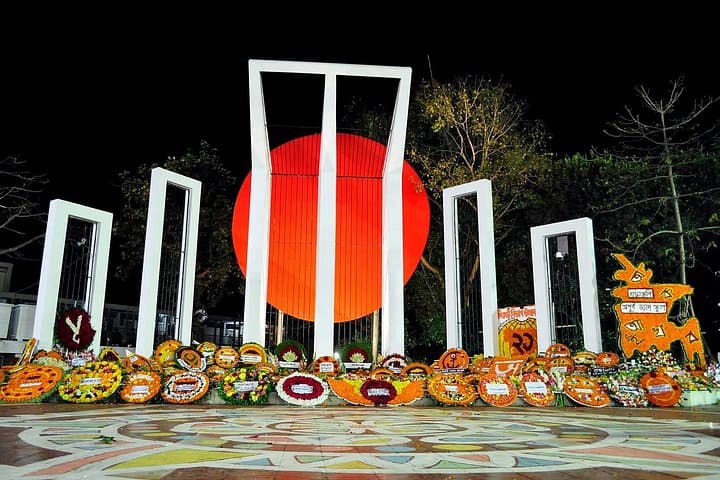
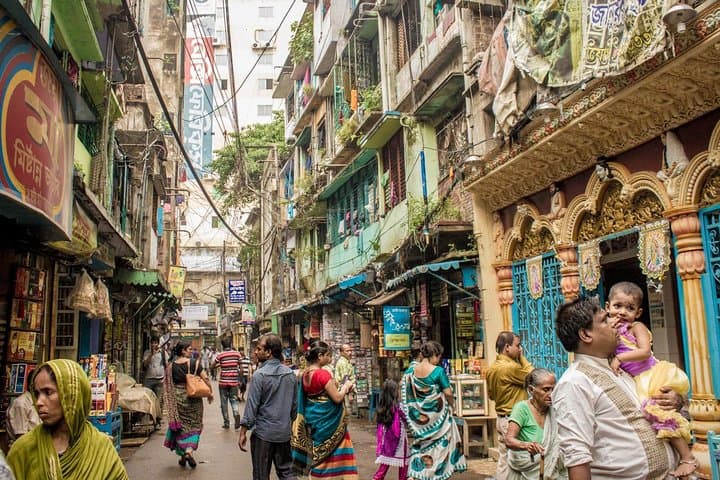
Over three days this private tour moves between the metropolitan energy of Dhaka and the slower, riverine rhythms of Sonargaon. In Dhaka you’ll walk past Louis Kahn’s Parliament façade, thread the narrow alleys of Shakhari Bazaar, and stand before Lalbagh Fort and Ahsan Manzil — structures that chart Mughal power, colonial commerce, and the civic ambitions of modern Bangladesh. Sonargaon, the ancient capital, unfolds differently: abandoned Panam’s crumbling mansions, the 15th-century Goaldi Mosque, and a folk-art museum that preserves crafts once tied to river trade.
Geology here is alluvial: flat, fertile plains shaped by the Ganges–Brahmaputra delta, so expect muddy riverbanks and broad braided channels. Culture is lived in markets, mosques, and temples; care with dress and photography in religious sites is customary. The river Meghna and Buriganga aren’t passive backdrops — they ferry people, produce, and a palpable history.
Practical guide: the pace is gentle — short urban walks and a scheduled rowboat ride on the Meghna. Wear breathable, modest clothing for mosque and temple visits; bring insect repellent for evening riverbanks; carry a reusable water bottle and small bills for markets. Most sites have entry fees and limited shade, so plan visits in the cooler morning hours. This is a low‑impact, high‑culture itinerary that rewards curiosity and easy walking rather than technical fitness.
easy.
3 days.
Suitable for most travelers with basic mobility; involves short urban walks and gentle boat rides.
Yes — the tour is private but can accommodate solo travelers; guides provide local context and navigation.
Yes — a traditional rowboat ride on the Meghna or Buriganga is included where conditions permit.
Travelers should check visa requirements for Bangladesh and ensure routine vaccinations are current; consult a travel health provider for region-specific advice.
Two lunches, two breakfasts and one dinner are included; local restaurants provide a chance to sample Bangladeshi cuisine.
Dhaka and Sonargaon sit on the Bengal delta and have layered histories: Sonargaon was a medieval administrative and trading hub, while Dhaka grew as a Mughal and later colonial center tied to river commerce.
River pollution and solid-waste management are ongoing issues; travelers can reduce impact by avoiding plastic bottles and supporting community-run museums and craft workshops.
Travel Trips operates guided outdoor trips and adventures with an emphasis on safety, stewardship, and memorable experiences.
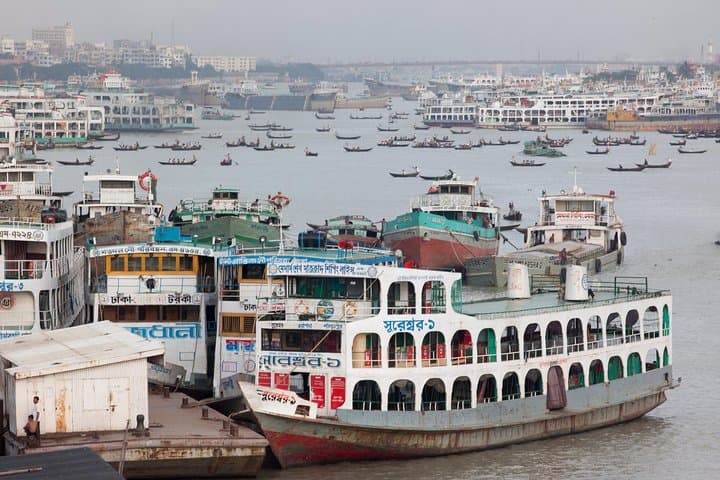
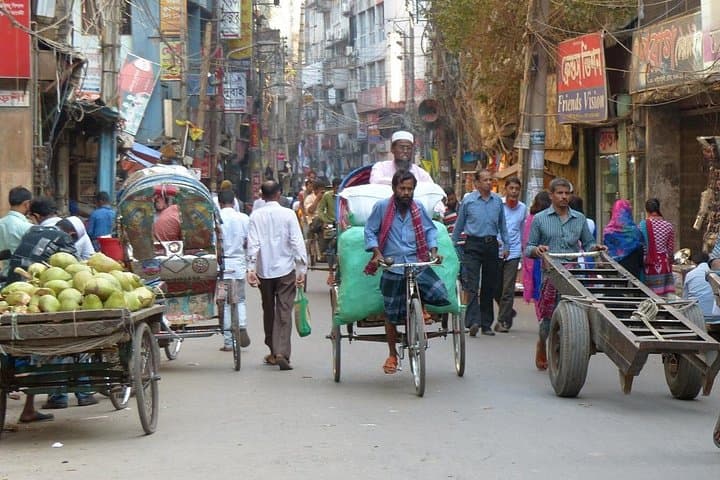
You step out into Dhaka’s humid morning and the city presses in: rickshaws humming, a scent of frying street snacks, and the Buriganga river tugging at the edge of the old city like a persistent storyteller.
You step out into Dhaka’s humid morning and the city presses in: rickshaws humming, a scent of frying street snacks, and the Buriganga river tugging at the edge of the old city like a persistent storyteller.
Over three days this private tour moves between the metropolitan energy of Dhaka and the slower, riverine rhythms of Sonargaon. In Dhaka you’ll walk past Louis Kahn’s Parliament façade, thread the narrow alleys of Shakhari Bazaar, and stand before Lalbagh Fort and Ahsan Manzil — structures that chart Mughal power, colonial commerce, and the civic ambitions of modern Bangladesh. Sonargaon, the ancient capital, unfolds differently: abandoned Panam’s crumbling mansions, the 15th-century Goaldi Mosque, and a folk-art museum that preserves crafts once tied to river trade.
Geology here is alluvial: flat, fertile plains shaped by the Ganges–Brahmaputra delta, so expect muddy riverbanks and broad braided channels. Culture is lived in markets, mosques, and temples; care with dress and photography in religious sites is customary. The river Meghna and Buriganga aren’t passive backdrops — they ferry people, produce, and a palpable history.
Practical guide: the pace is gentle — short urban walks and a scheduled rowboat ride on the Meghna. Wear breathable, modest clothing for mosque and temple visits; bring insect repellent for evening riverbanks; carry a reusable water bottle and small bills for markets. Most sites have entry fees and limited shade, so plan visits in the cooler morning hours. This is a low‑impact, high‑culture itinerary that rewards curiosity and easy walking rather than technical fitness.