THE ADVENTURE COLLECTIVE® · Independent discovery and booking for outdoor travel

A three-day private loop from Marrakech to the Erg Chebbi dunes, combining Ait Ben Haddou, Ouarzazate, Dades and Todra gorges with a 2–3 hour camel trek and an overnight desert camp. Expect long drives, dramatic scenery and authentic Berber villages.
A three-day private loop from Marrakech to the Erg Chebbi dunes, combining Ait Ben Haddou, Ouarzazate, Dades and Todra gorges with a 2–3 hour camel trek and an overnight desert camp. Expect long drives, dramatic scenery and authentic Berber villages.
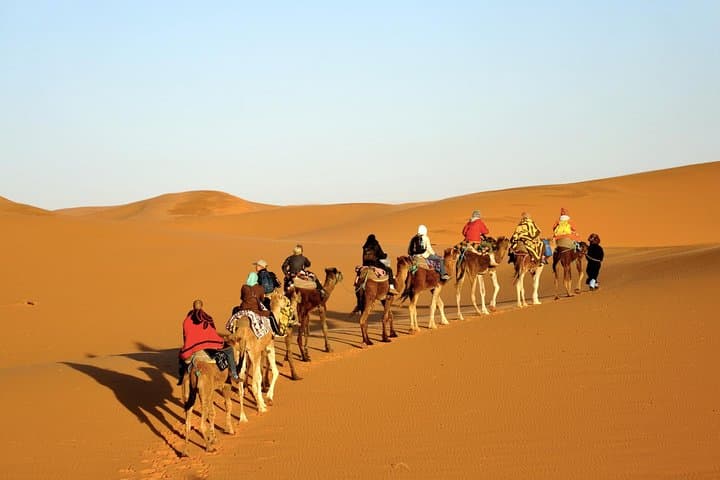
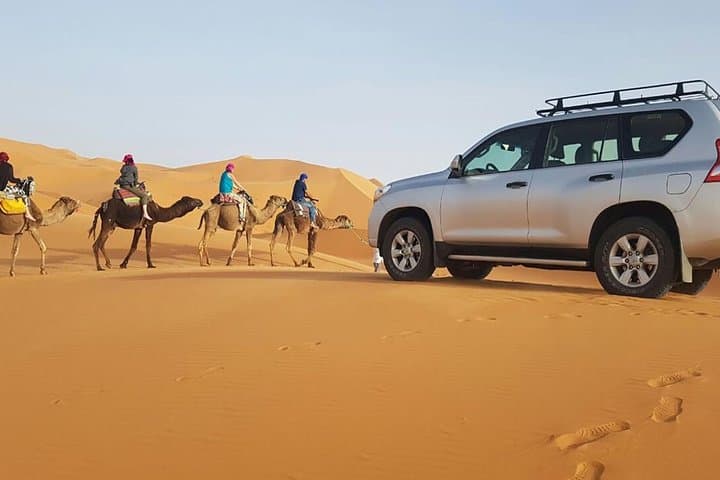
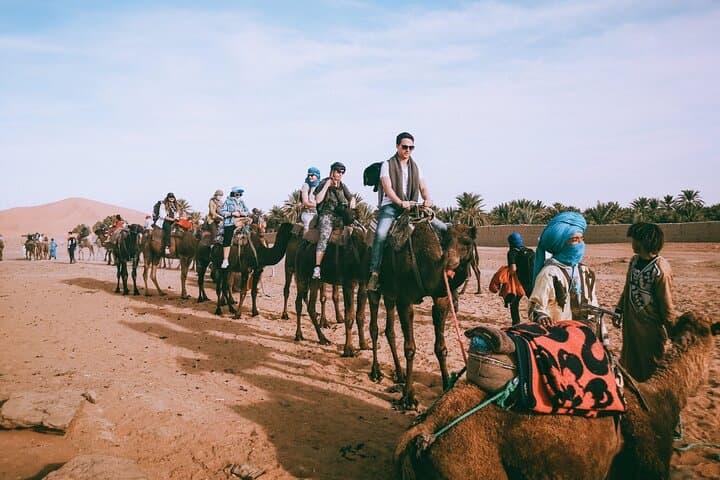
You leave Marrakech before dawn, the Atlas’ high passes folding behind the minivan as sunlight sharpens the kasbah walls. By afternoon the road loosens into ochre plains and, finally, the dunes of Erg Chebbi rise like a moving city of sand, each crest daring you to climb it. A two- to three-hour camel trek puts you on the wind-sculpted slopes for a night under a clear, star-heavy sky; the dunes themselves seem to breathe around the camp.
Verified experiences and guided adventures in the surrounding area.
Operated by Morocco vaccation · Merzouga, Drâa-Tafilalet
You leave Marrakech before dawn, the Atlas’ high passes folding behind the minivan as sunlight sharpens the kasbah walls. By afternoon the road loosens into ochre plains and, finally, the dunes of Erg Chebbi rise like a moving city of sand, each crest daring you to climb it. A two- to three-hour camel trek puts you on the wind-sculpted slopes for a night under a clear, star-heavy sky; the dunes themselves seem to breathe around the camp.
This route follows historic caravan arteries that linked Saharan oases to Marrakech. Geologically the drive crosses the High Atlas’s folded metamorphic ridges, then down into the Moulouya basin where wind-deposited Erg Chebbi reaches heights of 150–250 meters. Along the way you’ll visit Ait Ben Haddou — a fortified ksar featured in many films — and the film studios of Ouarzazate, then enter the green pocket of the Roses Valley before the dramatic, sheer walls of the Dades and Todra gorges, carved by seasonal rivers.
Expect long driving days punctuated by short walks: packed clay roads, tarmac and sandy tracks, and steep gorges with short stair-like sections. Practical notes: hydrate often, carry a headlamp and layers for chilly desert nights, and wear sturdy shoes for rocky gorges and dune slopes. Morning light is best for photos and cooler trekking; plan rest stops during the hottest hours. Respect local Berber customs — ask before photographing people — and minimize plastic waste: the desert’s water and wildlife are fragile. With basic fitness and a tolerance for hours on the road, this three-day loop delivers cinematic landscapes, close cultural contact and a true night in the Sahara.
moderate.
3 days.
Suitable for travelers in average fitness able to tolerate multi-hour drives and a 2–3 hour camel trek; short hikes in gorges require steady footing.
The itinerary includes a camel ride of approximately 2–3 hours across Erg Chebbi, typically timed for late afternoon and sunrise.
The tour is family-friendly but involves long transfers and a camel ride; travelers with serious spinal problems are not recommended to participate.
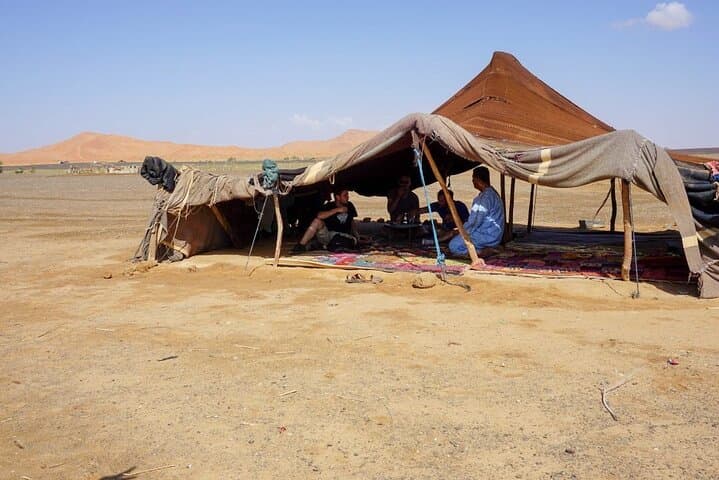
You spend one night in a conventional kasbah/hotel in the Dades area and one night in a desert camp — camp comfort ranges from basic berber-style tents to more equipped bivouacs depending on the operator.
Yes; meals follow the itinerary and operators can accommodate vegetarian and many dietary requests if advised at booking.
This corridor links historic caravan routes between Saharan oases and Marrakech; many kasbahs are fortified granaries built by Amazigh (Berber) communities.
Dune ecosystems are fragile; stick to established camps, avoid littering and minimize water use to reduce local environmental strain.
Morocco vaccation operates guided outdoor trips and adventures with an emphasis on safety, stewardship, and memorable experiences.
You leave Marrakech before dawn, the Atlas’ high passes folding behind the minivan as sunlight sharpens the kasbah walls. By afternoon the road loosens into ochre plains and, finally, the dunes of Erg Chebbi rise like a moving city of sand, each crest daring you to climb it. A two- to three-hour camel trek puts you on the wind-sculpted slopes for a night under a clear, star-heavy sky; the dunes themselves seem to breathe around the camp.
You leave Marrakech before dawn, the Atlas’ high passes folding behind the minivan as sunlight sharpens the kasbah walls. By afternoon the road loosens into ochre plains and, finally, the dunes of Erg Chebbi rise like a moving city of sand, each crest daring you to climb it. A two- to three-hour camel trek puts you on the wind-sculpted slopes for a night under a clear, star-heavy sky; the dunes themselves seem to breathe around the camp.
This route follows historic caravan arteries that linked Saharan oases to Marrakech. Geologically the drive crosses the High Atlas’s folded metamorphic ridges, then down into the Moulouya basin where wind-deposited Erg Chebbi reaches heights of 150–250 meters. Along the way you’ll visit Ait Ben Haddou — a fortified ksar featured in many films — and the film studios of Ouarzazate, then enter the green pocket of the Roses Valley before the dramatic, sheer walls of the Dades and Todra gorges, carved by seasonal rivers.
Expect long driving days punctuated by short walks: packed clay roads, tarmac and sandy tracks, and steep gorges with short stair-like sections. Practical notes: hydrate often, carry a headlamp and layers for chilly desert nights, and wear sturdy shoes for rocky gorges and dune slopes. Morning light is best for photos and cooler trekking; plan rest stops during the hottest hours. Respect local Berber customs — ask before photographing people — and minimize plastic waste: the desert’s water and wildlife are fragile. With basic fitness and a tolerance for hours on the road, this three-day loop delivers cinematic landscapes, close cultural contact and a true night in the Sahara.