THE ADVENTURE COLLECTIVE® · Independent discovery and booking for outdoor travel

Drive from Athens into Greece’s dramatic heart on a private three‑day tour that pairs Delphi’s oracle terraces with Meteora’s cliff‑top monasteries and the narrow pass of Thermopylae. Perfect for travelers who want immersive history, short walks, and hotel comfort.
Drive from Athens into Greece’s dramatic heart on a private three‑day tour that pairs Delphi’s oracle terraces with Meteora’s cliff‑top monasteries and the narrow pass of Thermopylae. Perfect for travelers who want immersive history, short walks, and hotel comfort.
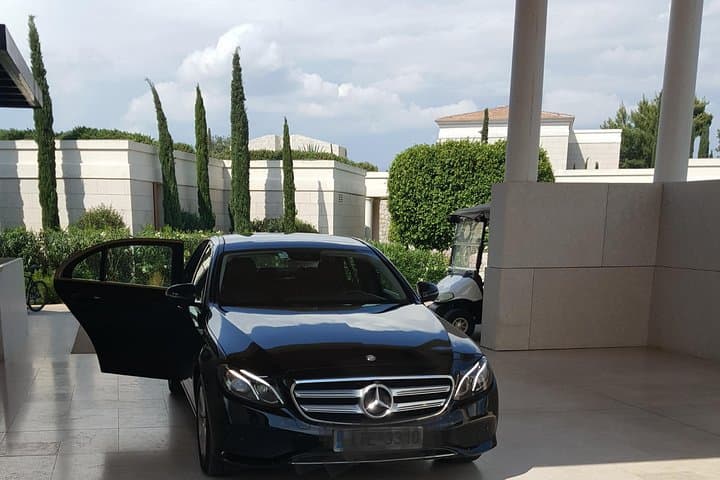
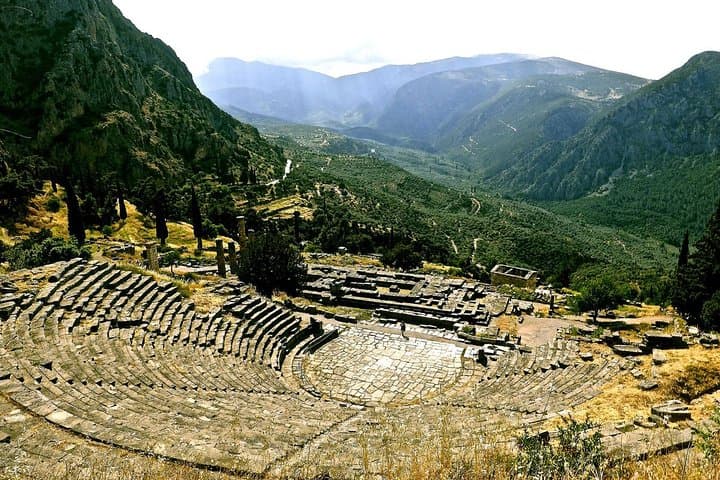
You climb into a leather-upholstered car at dawn and the city slips away—olive groves and limestone hills rolling past as the driver threads quiet roads toward Mount Parnassus. By midmorning the ruins of Delphi appear on a slope, marbled columns and the hollowed theater where wind still seems to whisper prophecies.
Verified experiences and guided adventures in the surrounding area.
Operated by WARMPENGUIN · Athens, Attica
You climb into a leather-upholstered car at dawn and the city slips away—olive groves and limestone hills rolling past as the driver threads quiet roads toward Mount Parnassus. By midmorning the ruins of Delphi appear on a slope, marbled columns and the hollowed theater where wind still seems to whisper prophecies.
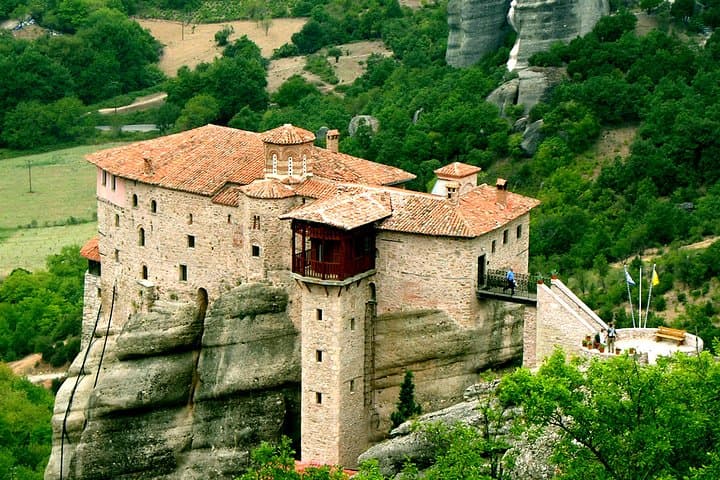
Delphi was the ancient world’s oracle, a religious and political focal point atop sacred springs. Geology does much of the work here: folded limestones cut by millennia of rain and freeze produce terraces for temples. Meteora’s story is different—sandstone pillars thrust skyward, eroded into towers that monks scaled in the Middle Ages to build cloistered communities high above the plain. Thermopylae closes the loop—an austere coastal pass where land narrows and history compresses into the stand of 480 BC.
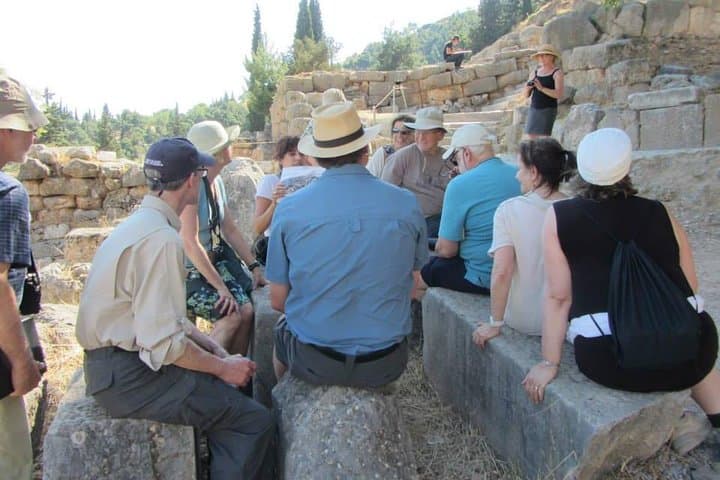
On this private three‑day route you’ll mix easy site walking with comfortable road travel: short hikes up monastery approaches, uneven ancient steps in Delphi, and coastal breezes at Thermopylae. Expect stair climbs, sun exposure, and narrow viewing points rather than long technical trails. The driver provides local context and hotel transfers; licensed archaeologists or monastery stewards are available on request for deeper tours.
Practical tips: pace mornings to avoid crowds and heat, bring sun protection and a light rain shell, carry modest clothing for religious sites, and use shoes with firm soles for cobbles and steps. Check monastery opening hours—some close on religious holidays—and confirm pickup details if arriving by cruise ship. With straightforward prep, the trip reads as three distinct landscapes—oracle slopes, rock forests, and a sea‑gouged pass—each daring you to look closer.
easy.
3 days.
Light fitness required—able to walk short uphill sections and climb stairs; not suitable for long technical hikes
Yes—transport and itinerary are exclusive to your group; guide services inside sites can be arranged separately if you want a licensed archaeologist or monastery guide.
Admissions are not included by default; the driver cannot enter monuments with you but can arrange licensed guides and handle tickets on request for an additional cost.
Yes—pickup from Athens cruise terminals is offered if you provide ship and passenger details in advance, including one passport number for the booking.
Accessibility is limited—ancient sites and monasteries have stairs and uneven surfaces; contact the operator to discuss specific needs and alternate arrangements.
Delphi was the pan‑Hellenic sanctuary of Apollo and the seat of the oracle; Meteora’s monasteries were constructed from the 14th century by monks seeking refuge on sandstone pinnacles; Thermopylae is famed for King Leonidas’ stand in 480 BC.
Visitor pressure can stress fragile archaeological layers and monastic sites—stick to marked paths, respect restricted areas, and support local businesses to sustain conservation efforts.
WARMPENGUIN operates guided outdoor trips and adventures with an emphasis on safety, stewardship, and memorable experiences.
You climb into a leather-upholstered car at dawn and the city slips away—olive groves and limestone hills rolling past as the driver threads quiet roads toward Mount Parnassus. By midmorning the ruins of Delphi appear on a slope, marbled columns and the hollowed theater where wind still seems to whisper prophecies.
You climb into a leather-upholstered car at dawn and the city slips away—olive groves and limestone hills rolling past as the driver threads quiet roads toward Mount Parnassus. By midmorning the ruins of Delphi appear on a slope, marbled columns and the hollowed theater where wind still seems to whisper prophecies.
Delphi was the ancient world’s oracle, a religious and political focal point atop sacred springs. Geology does much of the work here: folded limestones cut by millennia of rain and freeze produce terraces for temples. Meteora’s story is different—sandstone pillars thrust skyward, eroded into towers that monks scaled in the Middle Ages to build cloistered communities high above the plain. Thermopylae closes the loop—an austere coastal pass where land narrows and history compresses into the stand of 480 BC.
On this private three‑day route you’ll mix easy site walking with comfortable road travel: short hikes up monastery approaches, uneven ancient steps in Delphi, and coastal breezes at Thermopylae. Expect stair climbs, sun exposure, and narrow viewing points rather than long technical trails. The driver provides local context and hotel transfers; licensed archaeologists or monastery stewards are available on request for deeper tours.
Practical tips: pace mornings to avoid crowds and heat, bring sun protection and a light rain shell, carry modest clothing for religious sites, and use shoes with firm soles for cobbles and steps. Check monastery opening hours—some close on religious holidays—and confirm pickup details if arriving by cruise ship. With straightforward prep, the trip reads as three distinct landscapes—oracle slopes, rock forests, and a sea‑gouged pass—each daring you to look closer.