THE ADVENTURE COLLECTIVE® · Independent discovery and booking for outdoor travel

Three days in Cairo condense millennia: sunrise on the Giza Plateau, the treasures of the Egyptian Museum, and the hilltop Citadel. This private 3-day tour pairs efficient logistics with on-site time to explore Egypt’s most iconic cultural landmarks.
Three days in Cairo condense millennia: sunrise on the Giza Plateau, the treasures of the Egyptian Museum, and the hilltop Citadel. This private 3-day tour pairs efficient logistics with on-site time to explore Egypt’s most iconic cultural landmarks.
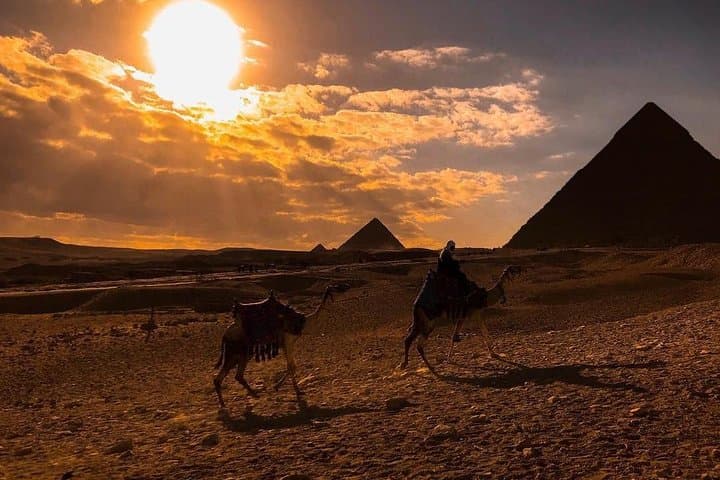
You arrive on the Giza Plateau just after dawn: the air is dry, the limestone faces of the pyramids glow gold, and camels shift like slow-breathing islands against the sand.
Verified experiences and guided adventures in the surrounding area.
Operated by Camel Ride at Giza Pyramids · Cairo, Cairo Governorate
You arrive on the Giza Plateau just after dawn: the air is dry, the limestone faces of the pyramids glow gold, and camels shift like slow-breathing islands against the sand.
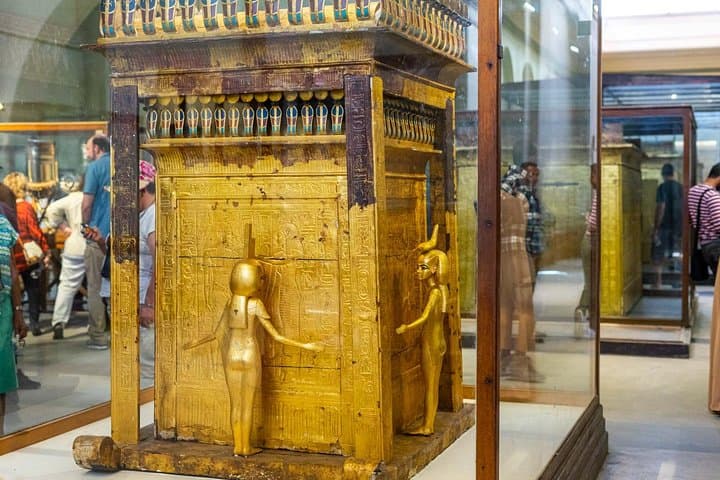
The first day sets the tone — a short transfer from central Cairo deposits you at the foot of structures that are both architectural feat and historical anchor. Over the next two days the itinerary threads between eras: the step pyramid at Saqqara that predates the smooth-sided giants, the funerary complexes of Khufu, Khafre and Menkaure, and the crowded corridors of the Egyptian Museum where Tutankhamun’s gold still draws a hush.
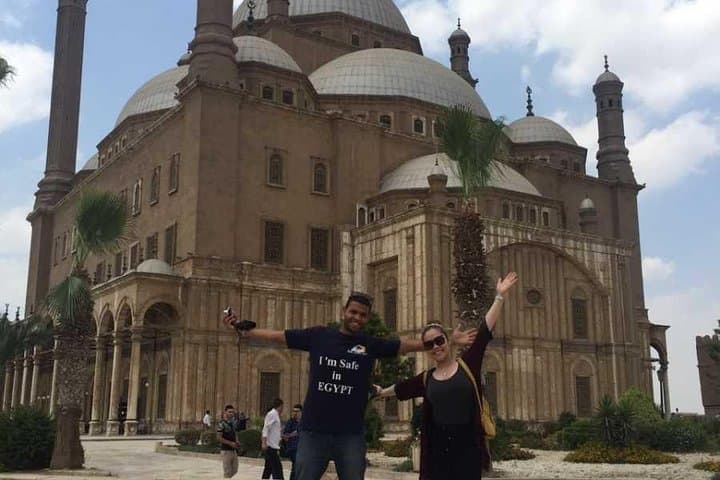
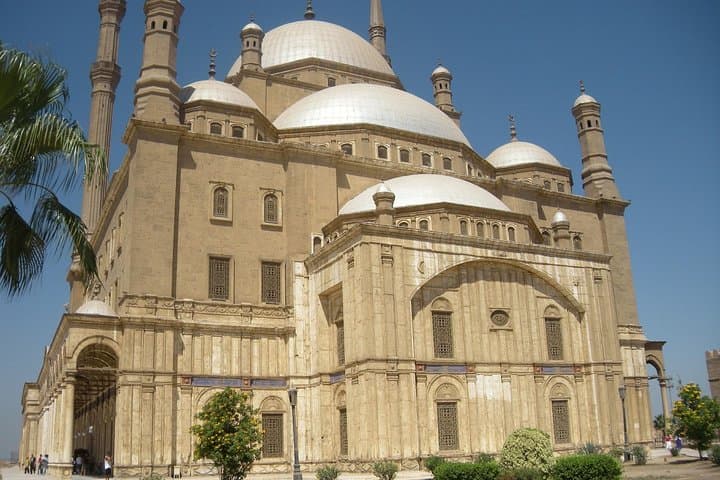
Geology and labor meet here — quarries of Tura limestone and prehistoric bedrock underpin the plateau, while desert wind polishes faces and scatters grit into the city. Culture arrives in sound and commerce: the rhythmic call to prayer from the Citadel, the bargaining chorus of Khan el-Khalili bazaar, and the slow, practiced courtesy of Cairo drivers navigating tight streets.
Practically, expect short drives between sites (roughly 20–40 minutes each way from central hotels) and 2–4 km of walking on uneven stone and sand each tour day with minimal elevation gain. The tour includes private transfers, two nights B&B, entrance to select sites and a chance to enter a pyramid — take sturdy shoes, sun protection, and a daypack. Respect mosque dress codes, carry ID for tickets, and hydrate early to avoid midday heat; with a private guide you can pace visits to match energy and light for photography.
easy.
3 days.
Suitable for travelers in average physical condition; expect several hours of walking each day on uneven surfaces.
This tour notes entry inside a pyramid is included, but access can be limited by site rules and visitor capacity; bring ID and confirm with your guide on arrival.
Yes — the package includes private A/C transfers between Cairo airport, hotels and the scheduled tour sites.
Modest dress is required: shoulders and knees covered for both men and women; women may need to cover their hair in some mosque areas.
The tour provider advises it is not recommended for travelers with serious spinal, cardiac conditions, or for pregnant travelers due to uneven terrain and close-quarter transport.
Cairo grew around the Nile and successive capitals; the Giza necropolis served as the funerary landscape for Old Kingdom pharaohs while Saqqara functioned as Memphis’s burial ground.
Erosion, urban expansion and visitor pressure are ongoing concerns; follow marked paths, avoid touching carvings, and use local guides who support site preservation.
Camel Ride at Giza Pyramids operates guided outdoor trips and adventures with an emphasis on safety, stewardship, and memorable experiences.
You arrive on the Giza Plateau just after dawn: the air is dry, the limestone faces of the pyramids glow gold, and camels shift like slow-breathing islands against the sand.
You arrive on the Giza Plateau just after dawn: the air is dry, the limestone faces of the pyramids glow gold, and camels shift like slow-breathing islands against the sand.
The first day sets the tone — a short transfer from central Cairo deposits you at the foot of structures that are both architectural feat and historical anchor. Over the next two days the itinerary threads between eras: the step pyramid at Saqqara that predates the smooth-sided giants, the funerary complexes of Khufu, Khafre and Menkaure, and the crowded corridors of the Egyptian Museum where Tutankhamun’s gold still draws a hush.
Geology and labor meet here — quarries of Tura limestone and prehistoric bedrock underpin the plateau, while desert wind polishes faces and scatters grit into the city. Culture arrives in sound and commerce: the rhythmic call to prayer from the Citadel, the bargaining chorus of Khan el-Khalili bazaar, and the slow, practiced courtesy of Cairo drivers navigating tight streets.
Practically, expect short drives between sites (roughly 20–40 minutes each way from central hotels) and 2–4 km of walking on uneven stone and sand each tour day with minimal elevation gain. The tour includes private transfers, two nights B&B, entrance to select sites and a chance to enter a pyramid — take sturdy shoes, sun protection, and a daypack. Respect mosque dress codes, carry ID for tickets, and hydrate early to avoid midday heat; with a private guide you can pace visits to match energy and light for photography.