THE ADVENTURE COLLECTIVE® · Independent discovery and booking for outdoor travel

Three days from Aswan cover Philae’s Temple of Isis, the Nubian Museum and village life, and the rock-cut grandeur of Abu Simbel. This private tour blends archaeology, local culture and manageable logistics for travelers who want depth without the crowd.
Three days from Aswan cover Philae’s Temple of Isis, the Nubian Museum and village life, and the rock-cut grandeur of Abu Simbel. This private tour blends archaeology, local culture and manageable logistics for travelers who want depth without the crowd.
The first light on the Nile turns the granite quarries rose-gold as a private car eases out of Aswan toward Philae Island. Boats cut through slow water; wind teases palm fronds along the riverbanks while a guide trained in Egyptology points out reliefs that have watched millennia pass.
Verified experiences and guided adventures in the surrounding area.
Operated by Adam's Tours · Aswan, Aswan Governorate
The first light on the Nile turns the granite quarries rose-gold as a private car eases out of Aswan toward Philae Island. Boats cut through slow water; wind teases palm fronds along the riverbanks while a guide trained in Egyptology points out reliefs that have watched millennia pass.
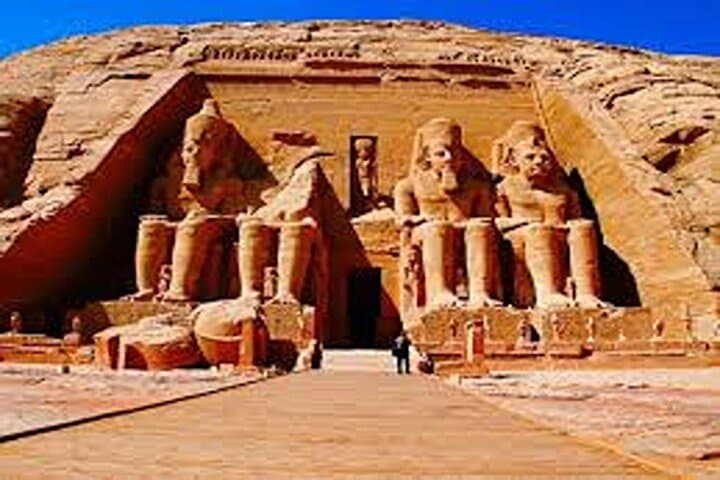
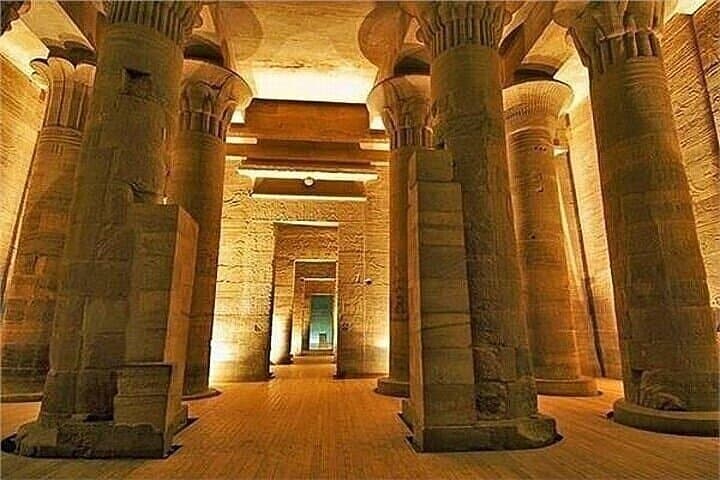
This three-day itinerary threads ancient monuments with local life. Day one focuses on Philae’s Temple of Isis, a compact complex rebuilt after the High Dam lakes rose; near it the Unfinished Obelisk gives a rare look at ancient stone-working technique. Day two shifts to the Nubian Museum and a visiting Nubian village, where painted houses, coffee rituals and traditional song reveal a living culture shaped by the Nile. Day three is a long road to Abu Simbel—two colossal Ramses statues carved into the cliff face that align with the sun twice yearly—an engineering and artistic statement from around 1300 BCE.
Geology here is plain: pink Aswan granite underpins temples and obelisks; the High Dam changed the river’s rhythms and reshaped the landscape and communities downstream. Culturally, the area blends Pharaonic, Greco-Roman and Nubian layers; local guides translate inscriptions and contextualize rituals.
Practicalities: expect long drives (Aswan–Abu Simbel ~300 km each way), flat walking on uneven stone at sites, and desert sun. Carry water, sun protection, comfortable closed shoes for temple floors, and photocopies of travel documents. Morning visits avoid heat and crowds, while private transport and an Egyptology guide keep logistics simple and informative.
moderate.
3 days.
Suitable for travelers in average physical condition who can manage several hours of walking over uneven surfaces and multi-hour drives.
Entrance fees are typically not included—confirm with the operator and budget for tickets to Philae, Nubian Museum and Abu Simbel.
The drive from Aswan to Abu Simbel is roughly 280–300 km each way and takes about 3.5–4 hours one-way depending on stops.
Parts of the itinerary (vehicles, some museum areas) are accessible, but many temple surfaces have uneven stone and steps; check specifics with the provider.
Yes—guides arrange introductions; follow their lead on photography, dress modestly and participate in offered cultural activities as invited.
Aswan was the ancient gateway to Africa and a major quarrying center for Pharaonic stone; Abu Simbel was relocated in the 1960s to save it from the rising High Dam reservoir.
The High Dam altered ecosystems and displaced communities; sustainable tourism supports local Nubian initiatives and helps manage visitor impact at fragile temple sites.
Adam's Tours operates guided outdoor trips and adventures with an emphasis on safety, stewardship, and memorable experiences.
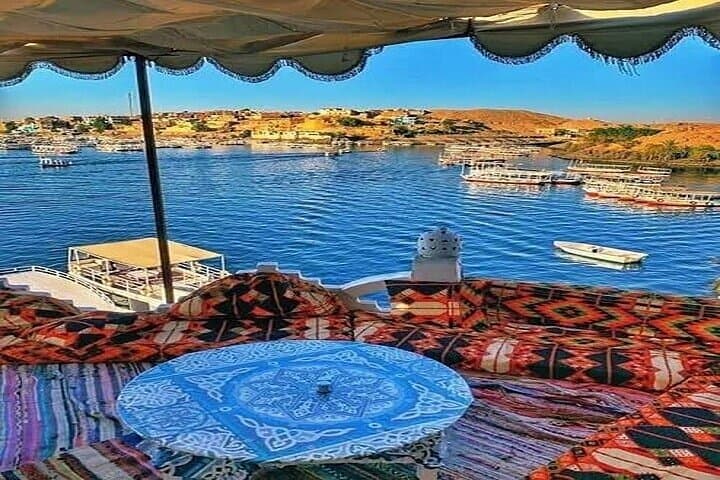
The first light on the Nile turns the granite quarries rose-gold as a private car eases out of Aswan toward Philae Island. Boats cut through slow water; wind teases palm fronds along the riverbanks while a guide trained in Egyptology points out reliefs that have watched millennia pass.
The first light on the Nile turns the granite quarries rose-gold as a private car eases out of Aswan toward Philae Island. Boats cut through slow water; wind teases palm fronds along the riverbanks while a guide trained in Egyptology points out reliefs that have watched millennia pass.
This three-day itinerary threads ancient monuments with local life. Day one focuses on Philae’s Temple of Isis, a compact complex rebuilt after the High Dam lakes rose; near it the Unfinished Obelisk gives a rare look at ancient stone-working technique. Day two shifts to the Nubian Museum and a visiting Nubian village, where painted houses, coffee rituals and traditional song reveal a living culture shaped by the Nile. Day three is a long road to Abu Simbel—two colossal Ramses statues carved into the cliff face that align with the sun twice yearly—an engineering and artistic statement from around 1300 BCE.
Geology here is plain: pink Aswan granite underpins temples and obelisks; the High Dam changed the river’s rhythms and reshaped the landscape and communities downstream. Culturally, the area blends Pharaonic, Greco-Roman and Nubian layers; local guides translate inscriptions and contextualize rituals.
Practicalities: expect long drives (Aswan–Abu Simbel ~300 km each way), flat walking on uneven stone at sites, and desert sun. Carry water, sun protection, comfortable closed shoes for temple floors, and photocopies of travel documents. Morning visits avoid heat and crowds, while private transport and an Egyptology guide keep logistics simple and informative.