THE ADVENTURE COLLECTIVE® · Independent discovery and booking for outdoor travel

Personalized 2-hour surf coaching in Huntington Beach pairs 30 minutes of land instruction with 90 minutes in the water. Ideal for first-timers and returning surfers, the lesson focuses on safety, pop-up technique, and catching clean, forgiving beach-break waves.
Personalized 2-hour surf coaching in Huntington Beach pairs 30 minutes of land instruction with 90 minutes in the water. Ideal for first-timers and returning surfers, the lesson focuses on safety, pop-up technique, and catching clean, forgiving beach-break waves.
You step off the sand with a foamboard under one arm and the Pacific already at work, a broad blue surface that tests balance and patience in equal measure.
Verified experiences and guided adventures in the surrounding area.
Operated by Clint Carroll Surf School & Surf Camp · Huntington Beach, California
You step off the sand with a foamboard under one arm and the Pacific already at work, a broad blue surface that tests balance and patience in equal measure.
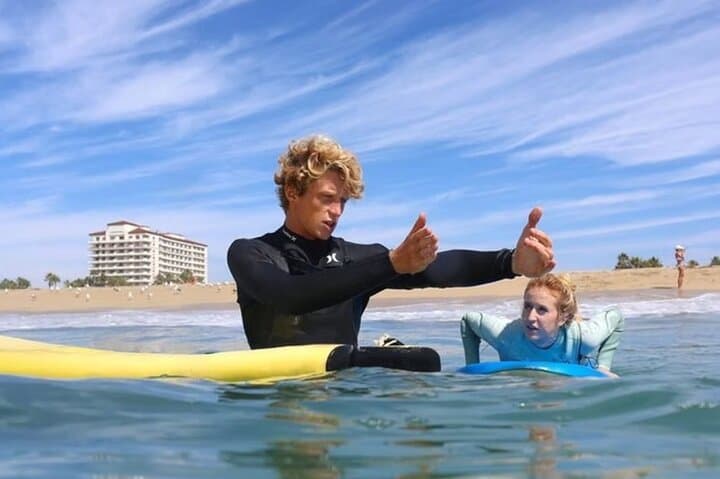
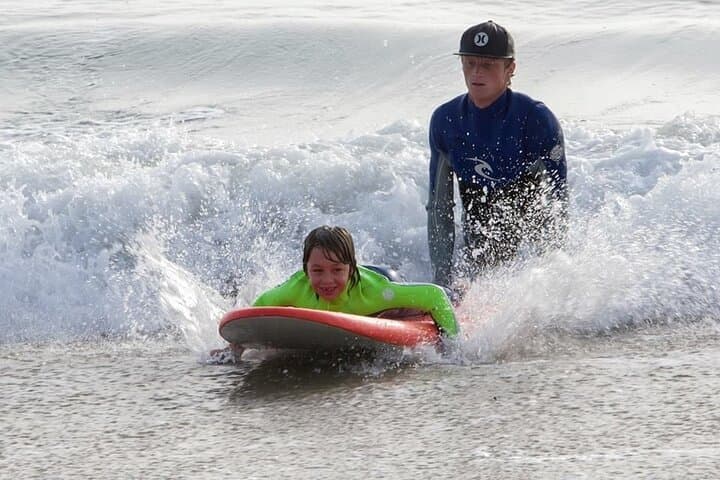
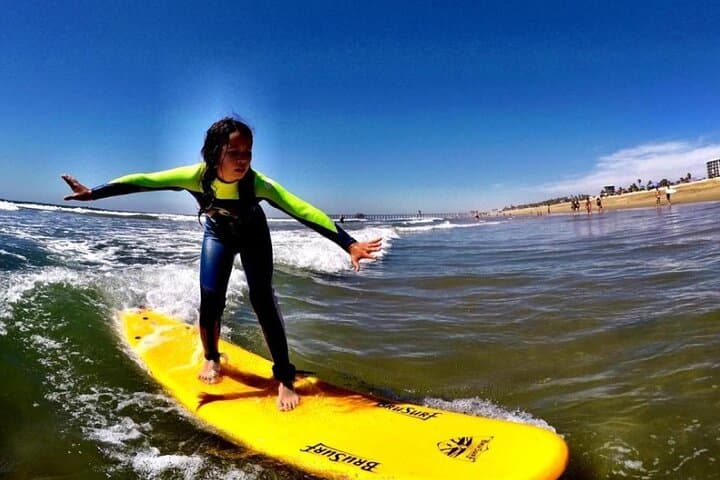
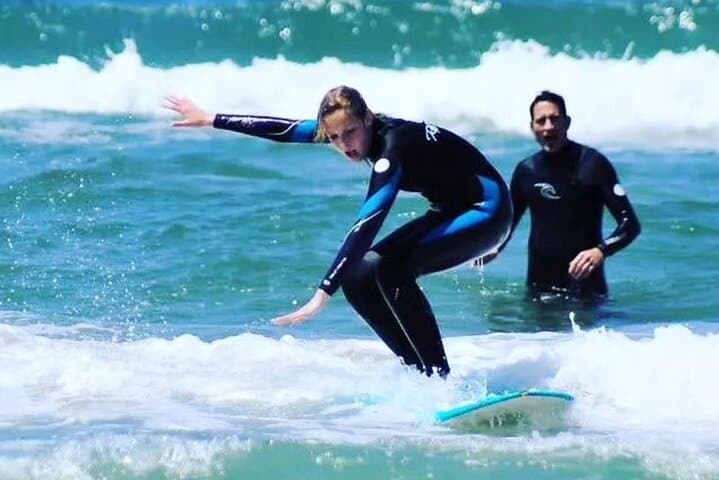
This private 2-hour session in Huntington Beach begins with 30 minutes on land—stance, pop-up drills and safety—before moving into 90 minutes of guided practice in the surf. Huntington Beach’s long, sand-bottom beach breaks make it one of Southern California’s most consistent learner-friendly breaks; the pier and jetty shape gentle, peeling waves that reward timing more than brute strength.
The coast here has been a fishing and surf hub since the early 20th century, when anglers and beachgoers began shaping the shoreline’s recreational identity. Geologically this stretch is broad, sandy shelf rather than rocky reef, which is why waves tend to be forgiving and fall into predictable sets. Locally, surf culture is pragmatic—respect the line-up, read the tide, and accept that mornings usually offer smaller, cleaner waves.
Practical guidance: arrive 10–15 minutes early for check-in and suit-up; boards and basic wetsuits are typically provided. Aim for a morning lesson to avoid onshore afternoon winds and crowds; water temps range roughly 58–68°F, so a spring/fall full suit or summer spring suit is common. Stay hydrated, apply reef-safe sunscreen, and let your instructor set reasonable goals—standing up consistently or refining turns. If you have back problems, pregnancy, or heart conditions, this activity is not recommended. Leave the ego on the beach, listen to cues, and the ocean will reward steady practice.
moderate.
2 hours.
Suitable for most fitness levels—comfortable swimming ability, basic paddling strength, and ability to stand up from a prone position help.
No—this private lesson is tailored to your level and teaches fundamentals from pop-up to wave selection for beginners, and technique work for intermediates.
Yes—basic soft-top boards and standard wetsuits or rash guards are typically provided; check size and weight limits when booking.
Morning sessions generally offer the cleanest, smallest waves and lighter winds, making them ideal for learning.
You should be comfortable in the ocean and able to tread water; instructors supervise closely, but serious swimmers adapt more quickly.
Huntington Beach grew into a surf town through early 20th-century beach culture and postwar surfboard innovation; the pier has long been a focal point for local competitions.
Use reef-safe sunscreen and stay on sand-only access points to protect fragile dune vegetation; local groups run beach cleanups and tide-pool education.
Clint Carroll Surf School & Surf Camp operates guided outdoor trips and adventures with an emphasis on safety, stewardship, and memorable experiences.
You step off the sand with a foamboard under one arm and the Pacific already at work, a broad blue surface that tests balance and patience in equal measure.
You step off the sand with a foamboard under one arm and the Pacific already at work, a broad blue surface that tests balance and patience in equal measure.
This private 2-hour session in Huntington Beach begins with 30 minutes on land—stance, pop-up drills and safety—before moving into 90 minutes of guided practice in the surf. Huntington Beach’s long, sand-bottom beach breaks make it one of Southern California’s most consistent learner-friendly breaks; the pier and jetty shape gentle, peeling waves that reward timing more than brute strength.
The coast here has been a fishing and surf hub since the early 20th century, when anglers and beachgoers began shaping the shoreline’s recreational identity. Geologically this stretch is broad, sandy shelf rather than rocky reef, which is why waves tend to be forgiving and fall into predictable sets. Locally, surf culture is pragmatic—respect the line-up, read the tide, and accept that mornings usually offer smaller, cleaner waves.
Practical guidance: arrive 10–15 minutes early for check-in and suit-up; boards and basic wetsuits are typically provided. Aim for a morning lesson to avoid onshore afternoon winds and crowds; water temps range roughly 58–68°F, so a spring/fall full suit or summer spring suit is common. Stay hydrated, apply reef-safe sunscreen, and let your instructor set reasonable goals—standing up consistently or refining turns. If you have back problems, pregnancy, or heart conditions, this activity is not recommended. Leave the ego on the beach, listen to cues, and the ocean will reward steady practice.