THE ADVENTURE COLLECTIVE® · Independent discovery and booking for outdoor travel

Two hours in a private NYC bar turns curious sippers into competent home mixologists. Learn shaking vs. stirring, dilution, and three classic cocktails with hands-on guidance from experienced pros.
Two hours in a private NYC bar turns curious sippers into competent home mixologists. Learn shaking vs. stirring, dilution, and three classic cocktails with hands-on guidance from experienced pros.
The room smells of citrus oil and charred orange peel as a low light bounces off polished steel shakers; behind the bar, a mixologist lays out a row of glassware like instruments ready to play. In two focused hours you move from watching technique to executing it yourself — shaking, stirring, and judging dilution with a practiced eye.
Verified experiences and guided adventures in the surrounding area.
Operated by Cocktail Class · New York, NY
The room smells of citrus oil and charred orange peel as a low light bounces off polished steel shakers; behind the bar, a mixologist lays out a row of glassware like instruments ready to play. In two focused hours you move from watching technique to executing it yourself — shaking, stirring, and judging dilution with a practiced eye.
Cocktails arrived in New York as trade followed the Hudson: spirits, sugar, and citrus from far ports reshaped local drinking habits. The Manhattan and the Old Fashioned both claim deep ties to the city’s 19th-century bars; since Prohibition, New York has been a laboratory for bartenders blending immigrant traditions and modern technique. Even the countertop here is carved from the city’s geology — Manhattan schist underfoot, waterfront commerce above — a practical reminder that place shaped taste.
Expect a curriculum that covers shaking vs. stirring, ice and dilution, spirit profiles, and simple acid-sugar balance. You’ll taste three crafted cocktails, sample technique drills, and leave with recipes to practice at home. The class tends toward approachable but technical: you’ll learn why a stirred spirit cocktail sits differently on the palate than a shaken sour.
Practical notes: bring a valid photo ID, pace yourself with water between samples, and wear smart-casual shoes for standing time. Private format makes this ideal for celebrations or team-building; instructors adapt recipes to preferences and dietary needs. By the end, you’ll understand not just how to make a drink, but why each step matters — and have the confidence to recreate it in your own kitchen.
easy.
2 hours.
Minimal physical fitness required; you'll be standing for much of the session.
Participants must be 21 or older; a government-issued photo ID is required on arrival.
Yes — the session includes instruction and three cocktails plus snacks as listed in the itinerary.
Yes — the listing notes wheelchair-accessible spaces and surfaces, but contact the host in advance for specific accommodations.
Full refunds are available if you cancel at least 24 hours before the scheduled start time; cancellations within 24 hours are non-refundable.
New York’s cocktail culture grew from 19th-century trade and immigrant taverns; many classic templates like the Manhattan were refined here in the late 1800s.
Choose refillable water between tastings and support venues that recycle glass and reduce single-use plastic; responsible service and waste reduction are encouraged.
Cocktail Class operates guided outdoor trips and adventures with an emphasis on safety, stewardship, and memorable experiences.
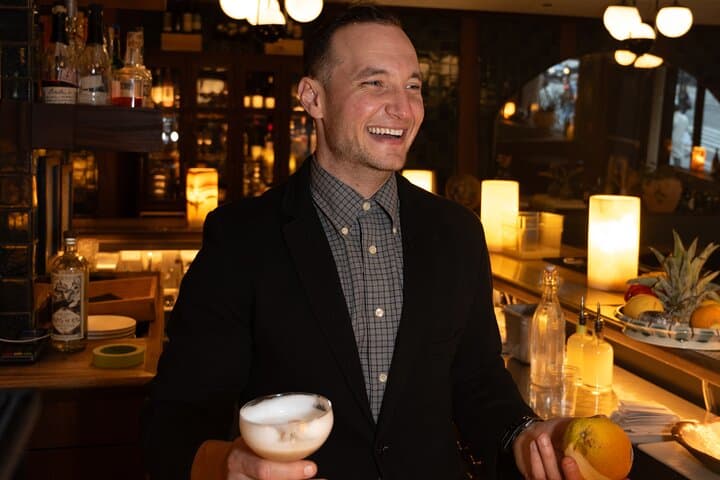
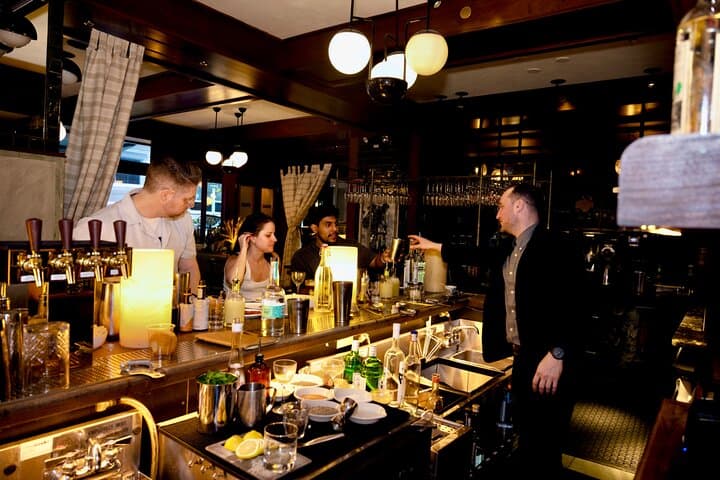
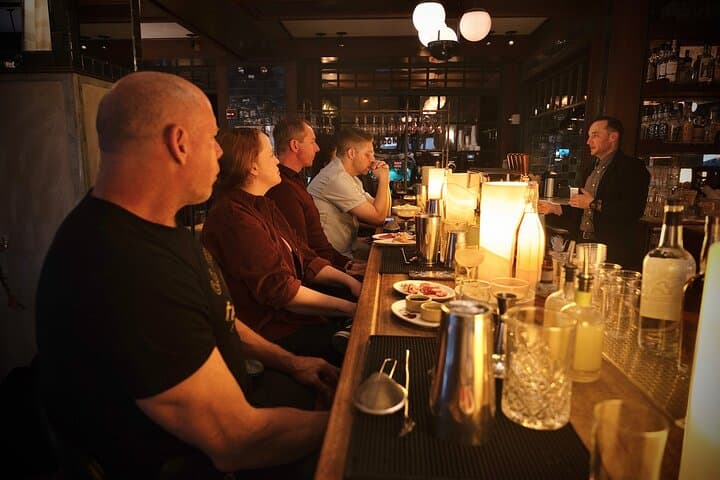
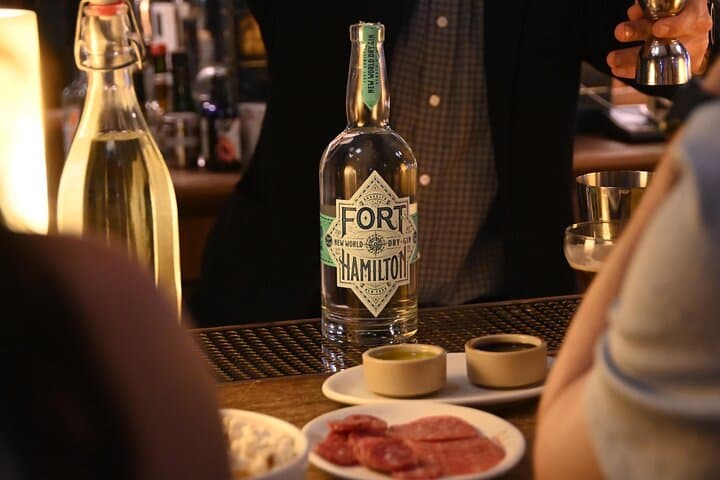
The room smells of citrus oil and charred orange peel as a low light bounces off polished steel shakers; behind the bar, a mixologist lays out a row of glassware like instruments ready to play. In two focused hours you move from watching technique to executing it yourself — shaking, stirring, and judging dilution with a practiced eye.
The room smells of citrus oil and charred orange peel as a low light bounces off polished steel shakers; behind the bar, a mixologist lays out a row of glassware like instruments ready to play. In two focused hours you move from watching technique to executing it yourself — shaking, stirring, and judging dilution with a practiced eye.
Cocktails arrived in New York as trade followed the Hudson: spirits, sugar, and citrus from far ports reshaped local drinking habits. The Manhattan and the Old Fashioned both claim deep ties to the city’s 19th-century bars; since Prohibition, New York has been a laboratory for bartenders blending immigrant traditions and modern technique. Even the countertop here is carved from the city’s geology — Manhattan schist underfoot, waterfront commerce above — a practical reminder that place shaped taste.
Expect a curriculum that covers shaking vs. stirring, ice and dilution, spirit profiles, and simple acid-sugar balance. You’ll taste three crafted cocktails, sample technique drills, and leave with recipes to practice at home. The class tends toward approachable but technical: you’ll learn why a stirred spirit cocktail sits differently on the palate than a shaken sour.
Practical notes: bring a valid photo ID, pace yourself with water between samples, and wear smart-casual shoes for standing time. Private format makes this ideal for celebrations or team-building; instructors adapt recipes to preferences and dietary needs. By the end, you’ll understand not just how to make a drink, but why each step matters — and have the confidence to recreate it in your own kitchen.