THE ADVENTURE COLLECTIVE® · Independent discovery and booking for outdoor travel

Walk the forest after dark with a naturalist guide through Monteverde Wildlife Refuge. This private, two-hour night hike focuses on endemic nocturnal life, close-up encounters, and low-impact practices that let the forest reveal itself.
Walk the forest after dark with a naturalist guide through Monteverde Wildlife Refuge. This private, two-hour night hike focuses on endemic nocturnal life, close-up encounters, and low-impact practices that let the forest reveal itself.
The trail begins under a low canopy where the forest closes in and night settles like a velvet blanket. Headlamps carve narrow cones of light through ferns and twisting roots; insects answer in a steady chorus and unseen animals move just beyond the beam. On a guided night hike in the Monteverde Wildlife Refuge, the dark is active—eyes reflect back, calls punctuate the quiet, and the forest seems to test your attention.
Verified experiences and guided adventures in the surrounding area.
Operated by Monteverde VIP Nature Tour · Monteverde, Puntarenas
The trail begins under a low canopy where the forest closes in and night settles like a velvet blanket. Headlamps carve narrow cones of light through ferns and twisting roots; insects answer in a steady chorus and unseen animals move just beyond the beam. On a guided night hike in the Monteverde Wildlife Refuge, the dark is active—eyes reflect back, calls punctuate the quiet, and the forest seems to test your attention.
Monteverde sits on the slopes of Costa Rica’s Tilarán Range, a region shaped by volcanic uplift and persistent cloud cover that produces high humidity and exceptional biodiversity. The refuge conserves secondary forest patches and riparian corridors that local settlers and conservationists have protected since the 1970s, when a mix of Quaker settlers and biologists helped establish a conservation ethic in the highlands.
A naturalist guide interprets the forest at night—pointing out tree frogs, nocturnal insects, and mammal tracks—while explaining local customs and the reserve’s role in regional ecology. Expect narrow, sometimes muddy trails with short rooty steps and low bridges over small streams; the habitat shifts quickly from dense understory to open viewing clearings.
Plan practical details: bring a reliable headlamp, wear grippy waterproof shoes and a light rain shell, and move slowly—flash photography and loud noises disturb wildlife. Two hours is enough to encounter frogs, owls, and active insect life without taxing stamina. The guide handles navigation and photography help, leaving visitors to watch, learn, and leave no trace in a forest that asks only for respect.
easy.
2 hours.
Suitable for most fitness levels; requires steady footing on uneven, sometimes muddy trails.
Yes—children who can walk steadily on uneven ground usually do well; check with the operator about age limits or private-group accommodations.
Large mammals are rare and typically elusive at night; expect frogs, insects, owls, and small mammals rather than guaranteed large-animal sightings.
Yes, but avoid flash photography—use low-light settings, a tripod, or let the guide assist with longer exposures to reduce disturbance.
Tours may be adjusted or canceled in heavy weather for safety; light rain is common and guides are prepared to continue with appropriate gear.
The Monteverde area grew into an international conservation hub after settlers and scientists in the 1970s protected remaining cloud-forest fragments, leading to a network of reserves focused on biodiversity and research.
Guides enforce strict low-impact rules—stay on paths, minimize light and noise, and avoid handling wildlife to protect sensitive nocturnal species.
Monteverde VIP Nature Tour operates guided outdoor trips and adventures with an emphasis on safety, stewardship, and memorable experiences.
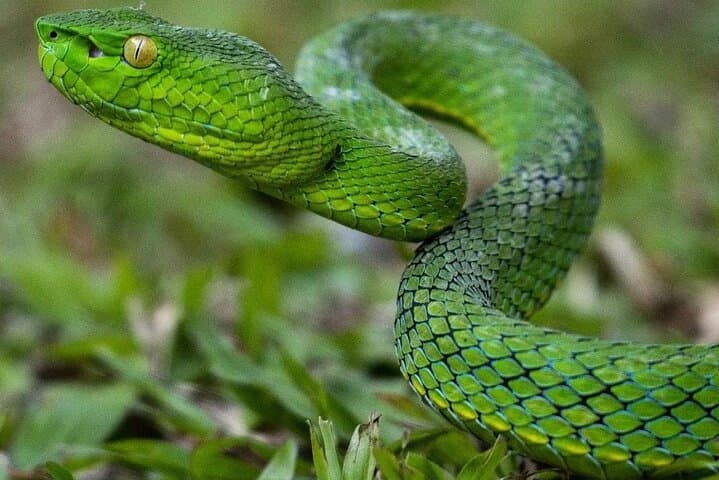
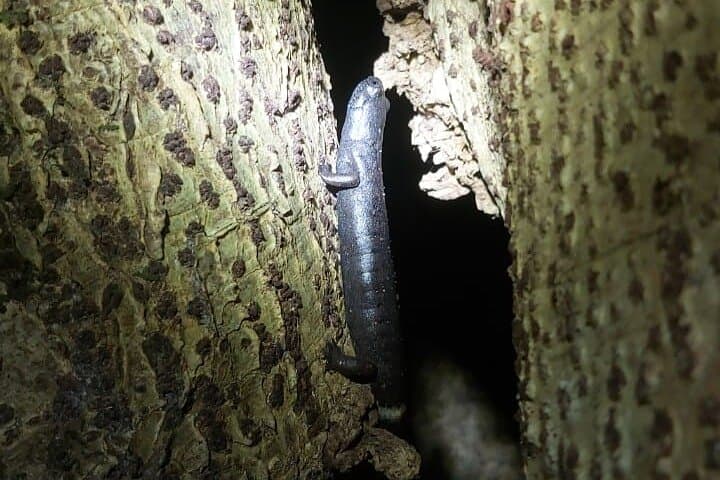
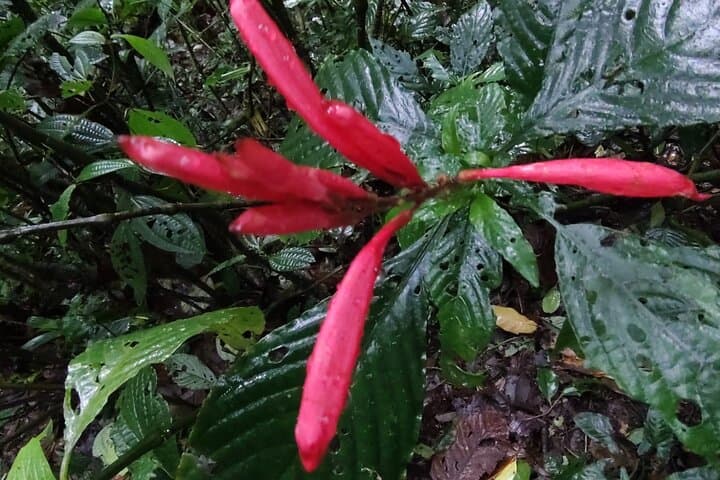
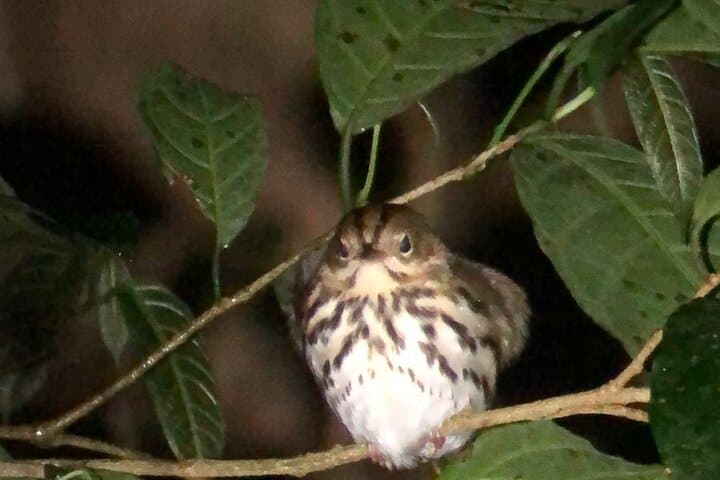
The trail begins under a low canopy where the forest closes in and night settles like a velvet blanket. Headlamps carve narrow cones of light through ferns and twisting roots; insects answer in a steady chorus and unseen animals move just beyond the beam. On a guided night hike in the Monteverde Wildlife Refuge, the dark is active—eyes reflect back, calls punctuate the quiet, and the forest seems to test your attention.
The trail begins under a low canopy where the forest closes in and night settles like a velvet blanket. Headlamps carve narrow cones of light through ferns and twisting roots; insects answer in a steady chorus and unseen animals move just beyond the beam. On a guided night hike in the Monteverde Wildlife Refuge, the dark is active—eyes reflect back, calls punctuate the quiet, and the forest seems to test your attention.
Monteverde sits on the slopes of Costa Rica’s Tilarán Range, a region shaped by volcanic uplift and persistent cloud cover that produces high humidity and exceptional biodiversity. The refuge conserves secondary forest patches and riparian corridors that local settlers and conservationists have protected since the 1970s, when a mix of Quaker settlers and biologists helped establish a conservation ethic in the highlands.
A naturalist guide interprets the forest at night—pointing out tree frogs, nocturnal insects, and mammal tracks—while explaining local customs and the reserve’s role in regional ecology. Expect narrow, sometimes muddy trails with short rooty steps and low bridges over small streams; the habitat shifts quickly from dense understory to open viewing clearings.
Plan practical details: bring a reliable headlamp, wear grippy waterproof shoes and a light rain shell, and move slowly—flash photography and loud noises disturb wildlife. Two hours is enough to encounter frogs, owls, and active insect life without taxing stamina. The guide handles navigation and photography help, leaving visitors to watch, learn, and leave no trace in a forest that asks only for respect.