THE ADVENTURE COLLECTIVE® · Independent discovery and booking for outdoor travel

Walk beneath ancient cedars into Okuno‑in, Koyasan’s vast sacred cemetery, with a local guide who explains samurai graves, Kobo Daishi lore, and the living rituals that shape this UNESCO-linked site. This private two‑hour tour balances quiet reflection with practical, on-the-ground context.
Walk beneath ancient cedars into Okuno‑in, Koyasan’s vast sacred cemetery, with a local guide who explains samurai graves, Kobo Daishi lore, and the living rituals that shape this UNESCO-linked site. This private two‑hour tour balances quiet reflection with practical, on-the-ground context.
Morning fog threads between towering cedar trunks as you step through Ichino-hashi and into Okuno‑in, Koyasan’s vast cemetery. Stones and lanterns sit like quiet companions along a moss-soft avenue; the guide’s voice threads history through the hush while water from nearby springs keeps the air cool.
Verified experiences and guided adventures in the surrounding area.
Operated by DeepExperience · Kōya (Koyasan), Wakayama Prefecture
Morning fog threads between towering cedar trunks as you step through Ichino-hashi and into Okuno‑in, Koyasan’s vast cemetery. Stones and lanterns sit like quiet companions along a moss-soft avenue; the guide’s voice threads history through the hush while water from nearby springs keeps the air cool.
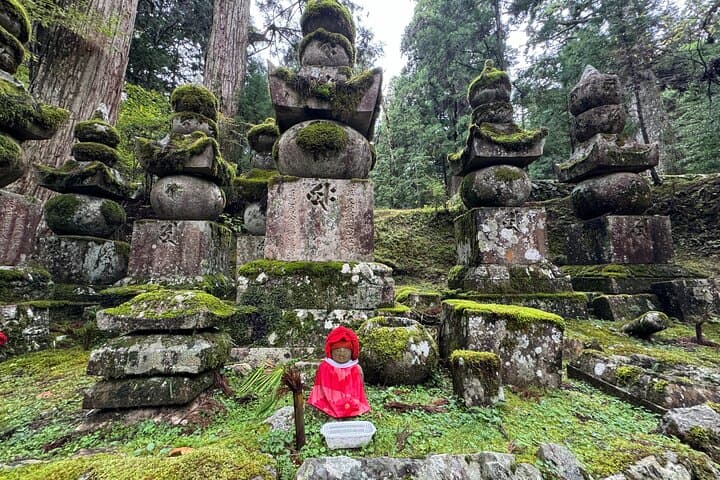
Okuno‑in is the largest cemetery in Japan and the spiritual heart of Shingon Buddhism, converging on the mausoleum where Kobo Daishi (Kukai) is said to remain in eternal meditation. The grave markers span centuries — samurai memorials, corporate lanterns, and family towers — and the layered soil and volcanic base of Mount Koya feed the cedar groves that dominate the scene. Local customs blend daily devotion with Edo- and Meiji-era patronage; your guide will point out samurai plots and inscriptions that reveal social shifts across generations.
The route is mostly flat but uneven: flagstone, packed earth and steps under roots. Expect slow walking, pauses for explanation and time to take in the sacred silence. Wear grippy shoes; a light rain jacket is smart in shoulder seasons when mist rolls through the trees. Photography is allowed but keep a low profile at active memorials. Aim for early morning to avoid crowds and to catch soft side-light on lanterns. Hydrate, bring cash for small shrine offerings, and respect signs and ropes — this is a living religious site, not just a photo stop.
This private 2‑hour tour gives concentrated cultural context and quiet access to one of Japan’s most solemn outdoor places, balancing immersive presence with practical pacing and clear local insight.
moderate.
2 hours.
Moderate fitness for slow walking and brief stair sections; able to stand and walk on uneven ground.
The tour runs two hours and focuses on Okuno‑in’s main approach and significant memorial sites with regular pauses for interpretation.
The site has uneven ground and some steps; children who can steady-walk are fine, but those with significant mobility issues may find sections challenging.
Photography is generally permitted in outdoor areas, but avoid photographing worshippers at close range and obey signs restricting access to certain memorials.
Koyasan is typically reached by train and cable car from Wakayama or Osaka; public transport options are available and often recommended for visitors.
Founded by Kobo Daishi in the early 9th century, Koyasan became the center of Shingon Buddhism; Okuno‑in grew over centuries as devotees sought burial near the founder’s mausoleum.
The cemetery is a preserved cultural landscape; visitors are asked to stay on paths, avoid disturbing moss and plant life, and follow local rules to minimize impact.
DeepExperience operates guided outdoor trips and adventures with an emphasis on safety, stewardship, and memorable experiences.
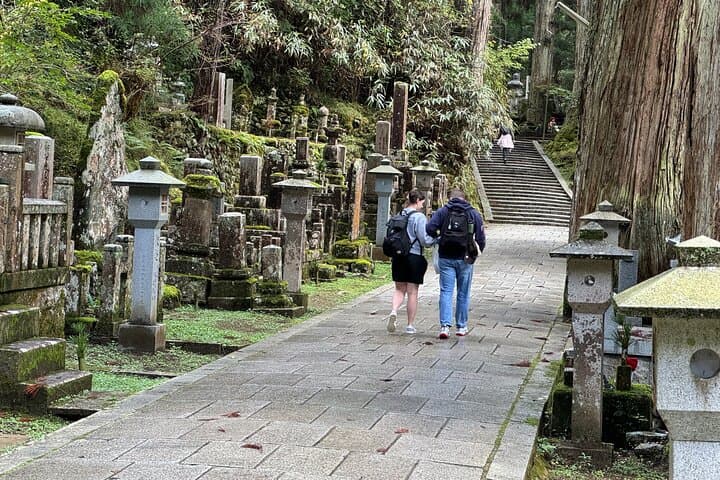
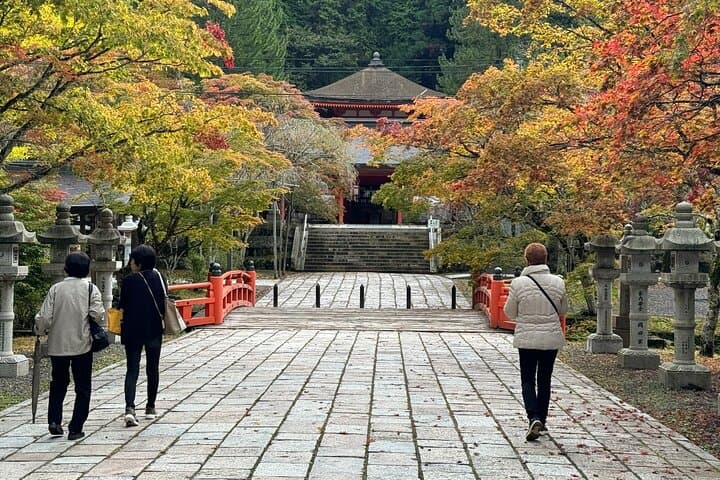
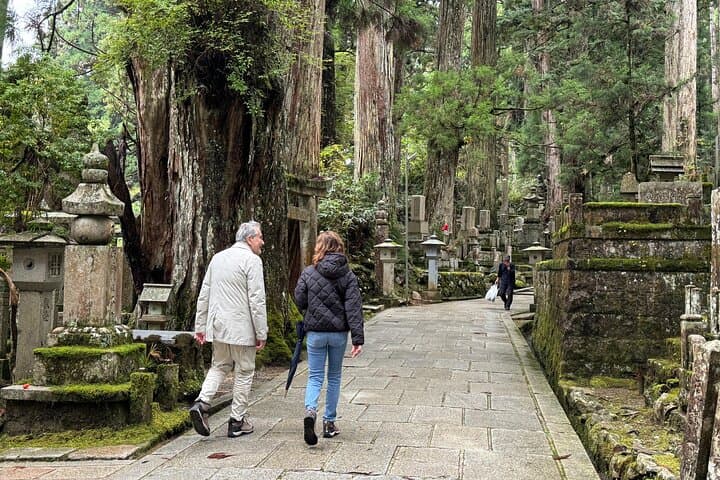
Morning fog threads between towering cedar trunks as you step through Ichino-hashi and into Okuno‑in, Koyasan’s vast cemetery. Stones and lanterns sit like quiet companions along a moss-soft avenue; the guide’s voice threads history through the hush while water from nearby springs keeps the air cool.
Morning fog threads between towering cedar trunks as you step through Ichino-hashi and into Okuno‑in, Koyasan’s vast cemetery. Stones and lanterns sit like quiet companions along a moss-soft avenue; the guide’s voice threads history through the hush while water from nearby springs keeps the air cool.
Okuno‑in is the largest cemetery in Japan and the spiritual heart of Shingon Buddhism, converging on the mausoleum where Kobo Daishi (Kukai) is said to remain in eternal meditation. The grave markers span centuries — samurai memorials, corporate lanterns, and family towers — and the layered soil and volcanic base of Mount Koya feed the cedar groves that dominate the scene. Local customs blend daily devotion with Edo- and Meiji-era patronage; your guide will point out samurai plots and inscriptions that reveal social shifts across generations.
The route is mostly flat but uneven: flagstone, packed earth and steps under roots. Expect slow walking, pauses for explanation and time to take in the sacred silence. Wear grippy shoes; a light rain jacket is smart in shoulder seasons when mist rolls through the trees. Photography is allowed but keep a low profile at active memorials. Aim for early morning to avoid crowds and to catch soft side-light on lanterns. Hydrate, bring cash for small shrine offerings, and respect signs and ropes — this is a living religious site, not just a photo stop.
This private 2‑hour tour gives concentrated cultural context and quiet access to one of Japan’s most solemn outdoor places, balancing immersive presence with practical pacing and clear local insight.