THE ADVENTURE COLLECTIVE® · Independent discovery and booking for outdoor travel

A concise, two-day private safari from Mombasa into Tsavo East that pairs three game drives with an overnight lodge stay. Perfect for travelers short on time who still want strong wildlife-viewing opportunities and comfortable accommodations.
A concise, two-day private safari from Mombasa into Tsavo East that pairs three game drives with an overnight lodge stay. Perfect for travelers short on time who still want strong wildlife-viewing opportunities and comfortable accommodations.
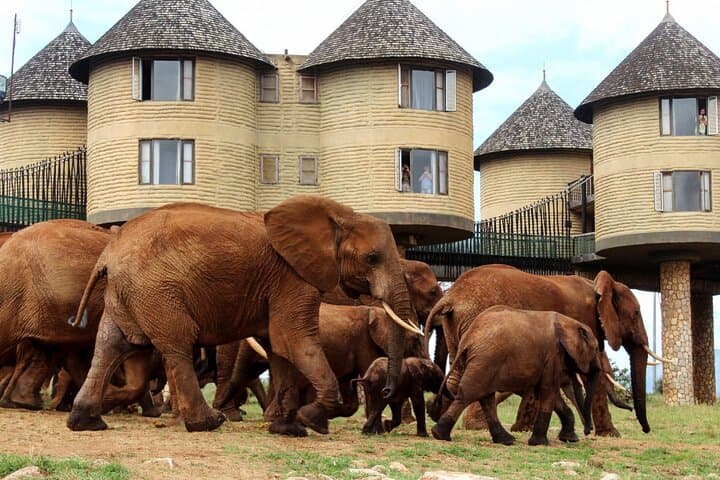
Dusty morning light slants across the Mombasa–Nairobi road as a private 4x4 turns inland, tires crunching over red earth toward the wide plains of Tsavo East. The first game drive opens like a page: elephant herds moving with slow deliberation, giraffes picking at acacia crowns, and the long, low calls of distant buffalo. Aruba Dam and scattered waterholes draw concentrated life, and the Galana River threads the park, pushing water through dry season thickets.
Verified experiences and guided adventures in the surrounding area.
Operated by Shagami Kenya Tours and Safaris · Voi, Taita-Taveta County
Dusty morning light slants across the Mombasa–Nairobi road as a private 4x4 turns inland, tires crunching over red earth toward the wide plains of Tsavo East. The first game drive opens like a page: elephant herds moving with slow deliberation, giraffes picking at acacia crowns, and the long, low calls of distant buffalo. Aruba Dam and scattered waterholes draw concentrated life, and the Galana River threads the park, pushing water through dry season thickets.
Tsavo’s landscape sits on old lava flows and riverine deposits; the flat, open savanna and occasional rocky outcrops like Mudanda Rock give way to grasslands where visibility can stretch for kilometers. The park’s modern story intersects with colonial-era lore — the infamous late-19th-century Tsavo man-eater lions — and with present-day conservation managed by the Kenya Wildlife Service and local communities in Taita-Taveta.
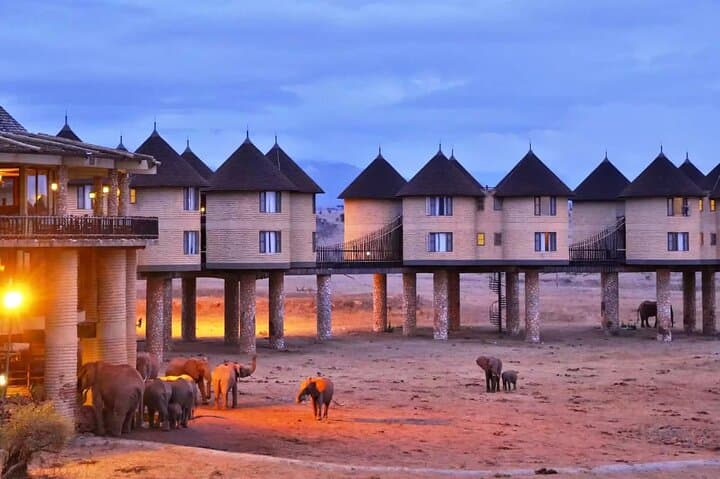
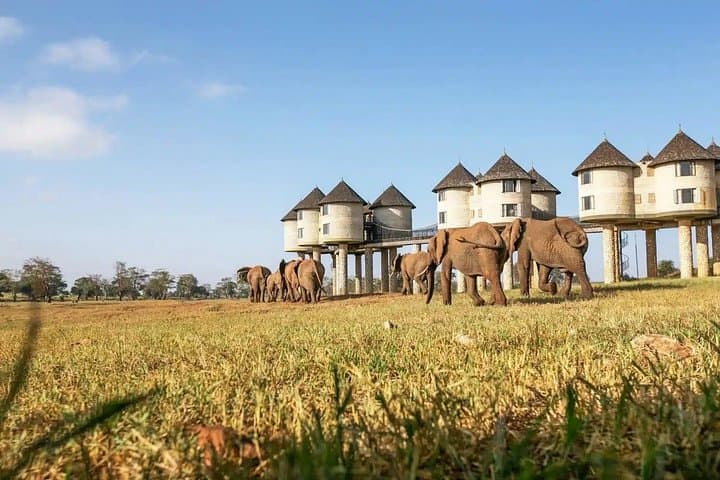
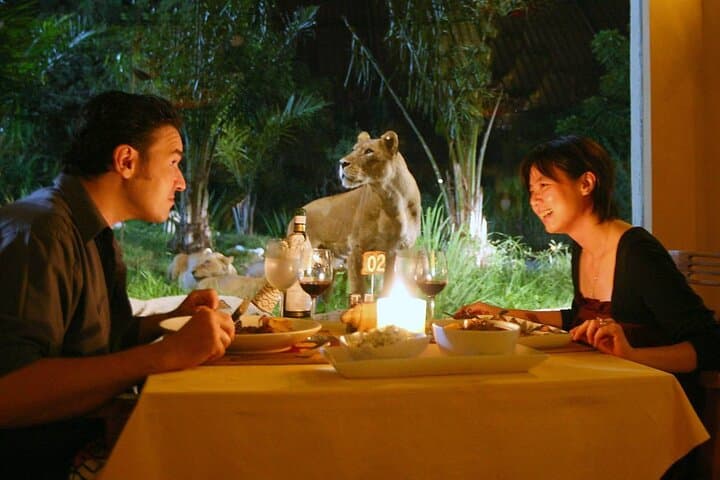
On this private two-day itinerary travelers combine three game drives with an overnight at a safari lodge (Ashnil Aruba or similar). Expect long hours in the vehicle across graded park roads, early starts for dawn activity, and afternoon drives when predators and elephants move to water. Practicalities matter: carry sun protection, layered clothing for cool predawn hours, and reliable optics; bottled water and park entry fees are included in the tour price. The drive from Mombasa typically takes three to four hours depending on traffic and stops.
For photographers and first-time safari-goers alike, the trip balances relaxed lodge comfort with purposeful time in the field — plan for early alarms, patient observation, and the simple rule of staying inside the vehicle when wildlife approaches.
moderate.
2 days.
Moderate fitness: able to handle several hours in a vehicle with short walks at viewing points and early starts
Yes — the itinerary includes national park entry fees, bottled water, and the listed meals (two lunches, dinner and breakfast as specified).
Expect roughly 3–4 hours driving each way depending on traffic and pick-up location; the tour is structured to depart in the morning and return by afternoon on day two.
Wear muted, neutral colors, lightweight layers for cool mornings, and closed-toe shoes; avoid bright colors and strong perfumes that can disturb wildlife.
Infants must sit on an adult’s lap; travelers should have moderate fitness. Check with the operator about child-specific rules and vehicle seat configurations.
Tsavo East is linked to the late-19th-century railway era and the notorious Tsavo man-eater lions; the park now prioritizes ecosystem protection and tourism.
The Kenya Wildlife Service works with local communities on anti-poaching and habitat management; visitors help by remaining on roads, avoiding litter, and supporting licensed guides.
Shagami Kenya Tours and Safaris operates guided outdoor trips and adventures with an emphasis on safety, stewardship, and memorable experiences.
Dusty morning light slants across the Mombasa–Nairobi road as a private 4x4 turns inland, tires crunching over red earth toward the wide plains of Tsavo East. The first game drive opens like a page: elephant herds moving with slow deliberation, giraffes picking at acacia crowns, and the long, low calls of distant buffalo. Aruba Dam and scattered waterholes draw concentrated life, and the Galana River threads the park, pushing water through dry season thickets.
Dusty morning light slants across the Mombasa–Nairobi road as a private 4x4 turns inland, tires crunching over red earth toward the wide plains of Tsavo East. The first game drive opens like a page: elephant herds moving with slow deliberation, giraffes picking at acacia crowns, and the long, low calls of distant buffalo. Aruba Dam and scattered waterholes draw concentrated life, and the Galana River threads the park, pushing water through dry season thickets.
Tsavo’s landscape sits on old lava flows and riverine deposits; the flat, open savanna and occasional rocky outcrops like Mudanda Rock give way to grasslands where visibility can stretch for kilometers. The park’s modern story intersects with colonial-era lore — the infamous late-19th-century Tsavo man-eater lions — and with present-day conservation managed by the Kenya Wildlife Service and local communities in Taita-Taveta.
On this private two-day itinerary travelers combine three game drives with an overnight at a safari lodge (Ashnil Aruba or similar). Expect long hours in the vehicle across graded park roads, early starts for dawn activity, and afternoon drives when predators and elephants move to water. Practicalities matter: carry sun protection, layered clothing for cool predawn hours, and reliable optics; bottled water and park entry fees are included in the tour price. The drive from Mombasa typically takes three to four hours depending on traffic and stops.
For photographers and first-time safari-goers alike, the trip balances relaxed lodge comfort with purposeful time in the field — plan for early alarms, patient observation, and the simple rule of staying inside the vehicle when wildlife approaches.