THE ADVENTURE COLLECTIVE® · Independent discovery and booking for outdoor travel

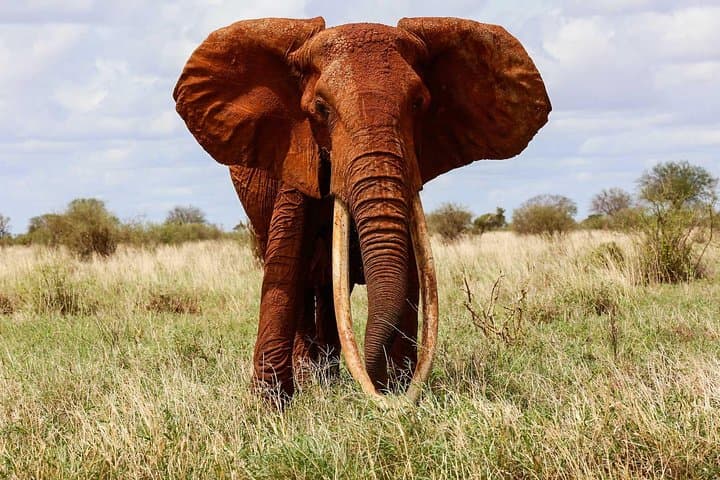
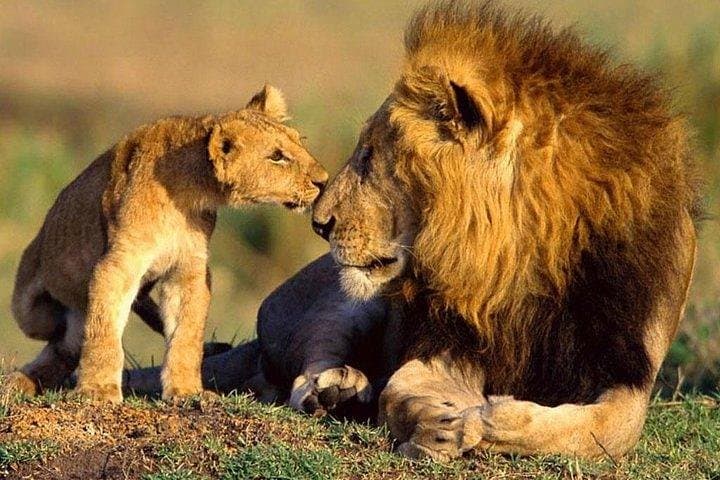
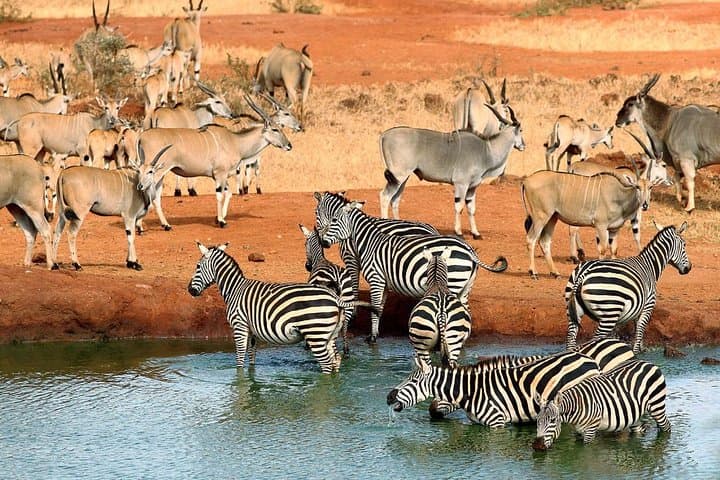
Two days of guided game drives from Mombasa into Tsavo East, staying at a full‑board lodge near Aruba Dam. Expect elephants, lions, hippos and concentrated wildlife at waterholes with early morning and late afternoon viewing.
Two days of guided game drives from Mombasa into Tsavo East, staying at a full‑board lodge near Aruba Dam. Expect elephants, lions, hippos and concentrated wildlife at waterholes with early morning and late afternoon viewing.
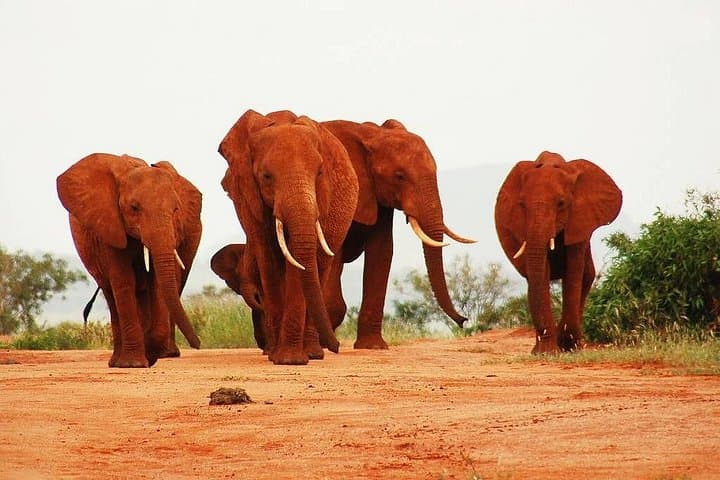
The sun lifts across red-dusted plains as a convoy slips off the tarmac and onto the tracks that carve Tsavo East. Within an hour the coastline’s humidity gives way to open savanna; elephants sway like slow ships across the grass, and a distant giraffe head punctures the skyline.
Verified experiences and guided adventures in the surrounding area.
Operated by Gracepatt Safaris · Voi, Taita-Taveta County
The sun lifts across red-dusted plains as a convoy slips off the tarmac and onto the tracks that carve Tsavo East. Within an hour the coastline’s humidity gives way to open savanna; elephants sway like slow ships across the grass, and a distant giraffe head punctures the skyline.
Tsavo East is one of Kenya’s oldest and largest protected areas, known for its broad plains, seasonal waterholes and the historic “Man‑eaters of Tsavo” lions that entered colonial lore in 1898. Geologically the park sits on volcanic and sedimentary foundations; dry riverbeds and the Galana River cut channels that feed dambos and seasonal pans, creating predictable wildlife concentrations.
Local culture is visible on the road to the park — small trading towns, roadside tea stalls and the Taita communities who have long coexisted with migrating herds. Lodges such as Ashnil at Aruba Dam focus wildlife viewing while contributing to local employment and anti‑poaching efforts.
Practically: expect two full days of guided game drives, one night at a full‑board safari lodge, and roughly a 2–2.5 hour drive from Mombasa along good tarmac. Game viewing is best at dawn and dusk; mid‑day sightings cluster at Aruba Dam and riverine galleries where water and shade concentrate animals.
Pack sun protection, binoculars and a charged camera, and be ready for dusty roads. Follow ranger guidance, keep windows partially closed near big game, and plan your hotel pickup in Mombasa the evening before departure to ensure a prompt start.
easy.
2 days.
Minimal fitness required — primarily vehicle‑based game drives with short lodge walks; able to climb into a safari vehicle.
Tours typically include pickup from Mombasa hotels and resorts; confirm your pickup point and time when booking.
Yes — the tour lists national park fees as included alongside meals and bottled water.
Accommodation is at a full‑board safari lodge (e.g., Ashnil Safari Lodge or similar) with private rooms, meals and evening service.
Yes — the itinerary notes it is family‑friendly but children must be accompanied by an adult and infants may be required to sit on laps in vehicles.
Tsavo East gained notoriety from the late‑19th‑century ‘Man‑eaters of Tsavo’ and is now managed as part of one of Kenya’s largest conservation landscapes.
Lodges and guides often support local anti‑poaching and community initiatives; stick to designated roads and minimize single‑use plastics to reduce impact.
Gracepatt Safaris operates guided outdoor trips and adventures with an emphasis on safety, stewardship, and memorable experiences.
The sun lifts across red-dusted plains as a convoy slips off the tarmac and onto the tracks that carve Tsavo East. Within an hour the coastline’s humidity gives way to open savanna; elephants sway like slow ships across the grass, and a distant giraffe head punctures the skyline.
The sun lifts across red-dusted plains as a convoy slips off the tarmac and onto the tracks that carve Tsavo East. Within an hour the coastline’s humidity gives way to open savanna; elephants sway like slow ships across the grass, and a distant giraffe head punctures the skyline.
Tsavo East is one of Kenya’s oldest and largest protected areas, known for its broad plains, seasonal waterholes and the historic “Man‑eaters of Tsavo” lions that entered colonial lore in 1898. Geologically the park sits on volcanic and sedimentary foundations; dry riverbeds and the Galana River cut channels that feed dambos and seasonal pans, creating predictable wildlife concentrations.
Local culture is visible on the road to the park — small trading towns, roadside tea stalls and the Taita communities who have long coexisted with migrating herds. Lodges such as Ashnil at Aruba Dam focus wildlife viewing while contributing to local employment and anti‑poaching efforts.
Practically: expect two full days of guided game drives, one night at a full‑board safari lodge, and roughly a 2–2.5 hour drive from Mombasa along good tarmac. Game viewing is best at dawn and dusk; mid‑day sightings cluster at Aruba Dam and riverine galleries where water and shade concentrate animals.
Pack sun protection, binoculars and a charged camera, and be ready for dusty roads. Follow ranger guidance, keep windows partially closed near big game, and plan your hotel pickup in Mombasa the evening before departure to ensure a prompt start.