THE ADVENTURE COLLECTIVE® · Independent discovery and booking for outdoor travel

Drive south from Luxor for a two-day, privately guided exploration of Aswan and Abu Simbel. This road tour pairs temple visits, a Nubian village stop and an overnight in Aswan with all admissions and a local Egyptologist.
Drive south from Luxor for a two-day, privately guided exploration of Aswan and Abu Simbel. This road tour pairs temple visits, a Nubian village stop and an overnight in Aswan with all admissions and a local Egyptologist.
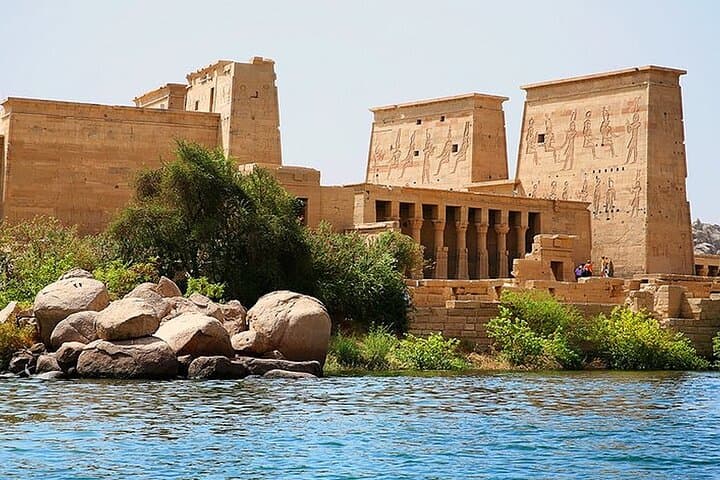
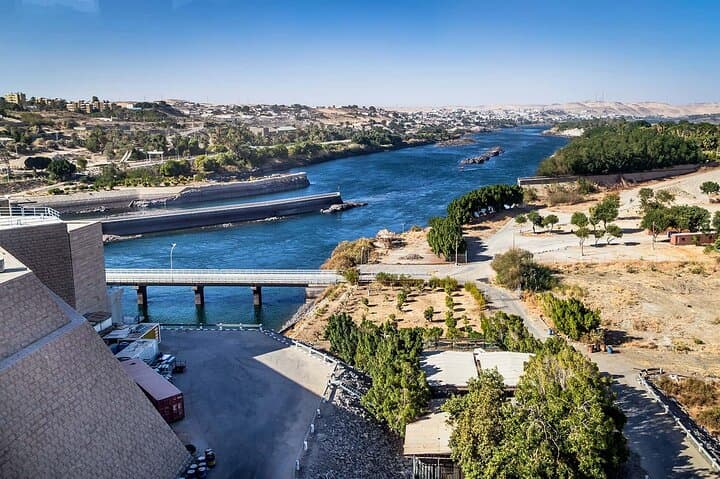
You step from a private vehicle onto the wind-swept roadside and the Nile, like a long silver ribbon, dares you to keep watching as the desert shifts light. The first day unfolds along the southern edge of Egypt: small boat crossings to Philae, palm-fringed islands, and the brick-red rise of the High Dam that tames Lake Nasser.
Verified experiences and guided adventures in the surrounding area.
Operated by Nile River Cruise · Aswan, Aswan Governorate
You step from a private vehicle onto the wind-swept roadside and the Nile, like a long silver ribbon, dares you to keep watching as the desert shifts light. The first day unfolds along the southern edge of Egypt: small boat crossings to Philae, palm-fringed islands, and the brick-red rise of the High Dam that tames Lake Nasser.
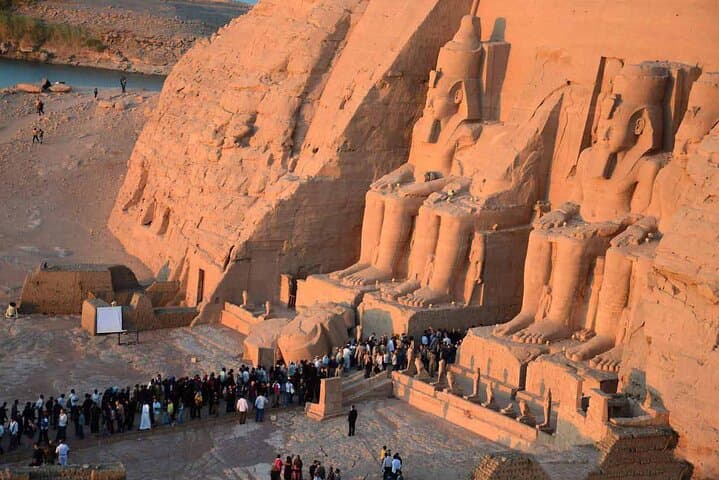
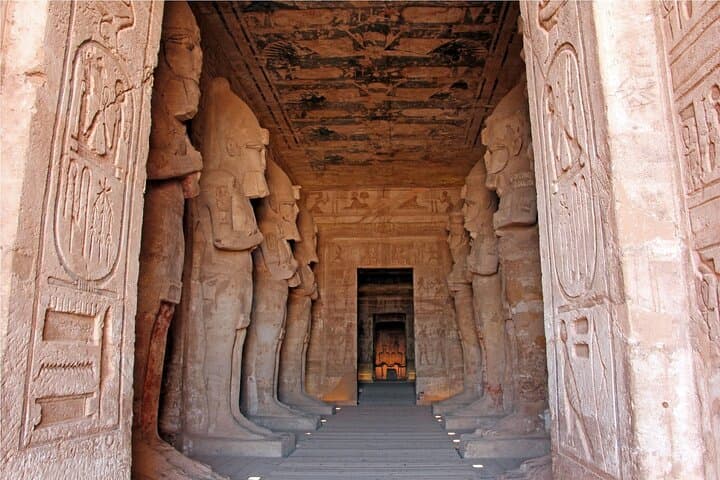
These places are geological and human waypoints. Philae’s granite and sandstone blocks were carefully moved to higher ground when the High Dam rose in the 1960s; Abu Simbel’s colossal facades were chiselled into the sandstone cliff by Ramesses II as a show of power at the empire’s southern border. Nubian culture threads the modern landscape—colourful homes, riverside markets and island gardens shaped by seasonal flooding and irrigation.
Practicality shapes the tour: expect two days with one overnight in Aswan at a five-star hotel, door-to-door transfers, a qualified Egyptologist guide and included admissions. Walks at temples involve steps and uneven stone; shade is sparse and solar exposure intense. Time your visits for early morning or late afternoon light to avoid the peak heat and to see statues and reliefs catch shadow and detail.
Bring a modest dress code for religious sites, carry water and sunscreen, and keep small notes of local currency for markets and tips. Photography is allowed at most sites but follow guide directions around restricted areas. The road trip itself is part of the experience—long stretches of desert and sudden views of the lake—so plan for comfortable travel, and let the monuments’ scale do the storytelling.
easy.
2 days.
Light fitness: able to walk short uneven stone steps and stand during guided explanations; most travel is by vehicle.
The drive from Luxor to Aswan is about 3–4 hours; Abu Simbel is roughly a 3-hour drive from Aswan along the lakeshore, each leg depending on stops and traffic.
Yes: entry to Philae and Abu Simbel and a qualified Egyptologist guide are included in the tour price.
The tour lists wheelchair-accessible options and minimal strenuous activity, but temple sites have uneven surfaces and steps—discuss individual needs with the operator in advance.
Photography is generally allowed at exterior and many interior areas but follow site rules and guide instructions where restrictions apply.
Abu Simbel was carved during Ramesses II’s reign and later relocated in the 1960s to save it from Lake Nasser after the High Dam was built.
Relocation of the temples was a UNESCO-led effort; visitors should stick to paths, avoid touching reliefs and support local conservation-minded guides.
Nile River Cruise operates guided outdoor trips and adventures with an emphasis on safety, stewardship, and memorable experiences.
You step from a private vehicle onto the wind-swept roadside and the Nile, like a long silver ribbon, dares you to keep watching as the desert shifts light. The first day unfolds along the southern edge of Egypt: small boat crossings to Philae, palm-fringed islands, and the brick-red rise of the High Dam that tames Lake Nasser.
You step from a private vehicle onto the wind-swept roadside and the Nile, like a long silver ribbon, dares you to keep watching as the desert shifts light. The first day unfolds along the southern edge of Egypt: small boat crossings to Philae, palm-fringed islands, and the brick-red rise of the High Dam that tames Lake Nasser.
These places are geological and human waypoints. Philae’s granite and sandstone blocks were carefully moved to higher ground when the High Dam rose in the 1960s; Abu Simbel’s colossal facades were chiselled into the sandstone cliff by Ramesses II as a show of power at the empire’s southern border. Nubian culture threads the modern landscape—colourful homes, riverside markets and island gardens shaped by seasonal flooding and irrigation.
Practicality shapes the tour: expect two days with one overnight in Aswan at a five-star hotel, door-to-door transfers, a qualified Egyptologist guide and included admissions. Walks at temples involve steps and uneven stone; shade is sparse and solar exposure intense. Time your visits for early morning or late afternoon light to avoid the peak heat and to see statues and reliefs catch shadow and detail.
Bring a modest dress code for religious sites, carry water and sunscreen, and keep small notes of local currency for markets and tips. Photography is allowed at most sites but follow guide directions around restricted areas. The road trip itself is part of the experience—long stretches of desert and sudden views of the lake—so plan for comfortable travel, and let the monuments’ scale do the storytelling.