THE ADVENTURE COLLECTIVE® · Independent discovery and booking for outdoor travel

See the Taj Mahal at first light and trade river plains for hilltop forts on a private 2-day tour from Delhi. This fast-paced itinerary pairs Mughal monuments in Agra with Jaipur’s Amber Fort and Pink City highlights.
See the Taj Mahal at first light and trade river plains for hilltop forts on a private 2-day tour from Delhi. This fast-paced itinerary pairs Mughal monuments in Agra with Jaipur’s Amber Fort and Pink City highlights.
You step into the day before dawn as the highway unspools toward Agra—the city’s low outline softened by the Yamuna’s cool hush. Arrive at the Taj Mahal as light warms the marble; the monument watches like a patient storyteller while the river nudges the city awake. By afternoon the fort’s red-sandstone ramparts offer a different cadence: guns, courts, and Mughal ambition etched into masonry.
Verified experiences and guided adventures in the surrounding area.
Operated by Kaimur Holidays · Agra, Uttar Pradesh
You step into the day before dawn as the highway unspools toward Agra—the city’s low outline softened by the Yamuna’s cool hush. Arrive at the Taj Mahal as light warms the marble; the monument watches like a patient storyteller while the river nudges the city awake. By afternoon the fort’s red-sandstone ramparts offer a different cadence: guns, courts, and Mughal ambition etched into masonry.
This two-day loop moves fast through Mughal and Rajput history. The Taj Mahal (17th century) and Agra Fort (Akbar and Shah Jahan periods) reflect imperial engineering and decorative inlay; Amber Fort outside Jaipur shifts the script into Rajput palaces, mirrored halls and hilltop defensive lines. Geologically, the Gangetic plains give way to low Aravalli foothills near Amber, so the terrain shifts from flat river floodplain to terraced stone steps and steep fort approaches.
Culturally, expect markets where craftspeople sell block-printed textiles and gemstone work; street food counters serve spiced chaats and cooling lassis. Local guides animate stories many visitors miss—royal rivalries, waterworks, and the logistics of palace life.
Practical guidance: book Taj Mahal entry in advance for early-morning slots, carry government ID, and wear sturdy shoes for cobbled paths and numerous steps. Plan hydration and sunscreen—the sun can be relentless. If you prefer fewer crowds, ask the operator to adjust timing or request a shorter stop at each bazaar.
This private itinerary compresses major sights into a manageable two days—optimal for travelers who want immersive history without broad logistical planning.
moderate.
2 days.
Moderate fitness recommended—short hikes up fort staircases and several hours of walking each day.
No — this tour’s description indicates admissions are not included, so plan to purchase tickets at the sites or arrange them in advance.
Yes — the tour includes hotel or airport pickup and drop-off from Delhi and can drop you in Jaipur on request.
The operator lists wheelchair accessibility, but some monuments have steps and uneven surfaces—ask ahead about specific site access and vehicle assistance.
Early morning at sunrise offers softer light and fewer crowds; late afternoon provides warmer tones but often more visitors.
The route links Mughal-era Agra (Taj Mahal built mid-17th century by Shah Jahan) with Rajput Jaipur, whose Amber Fort and Hawa Mahal reflect centuries of regional power and palace culture.
High visitor numbers strain monuments and local infrastructure; travel lightly, use less plastic, and follow site rules to reduce wear on fragile surfaces.
Kaimur Holidays operates guided outdoor trips and adventures with an emphasis on safety, stewardship, and memorable experiences.

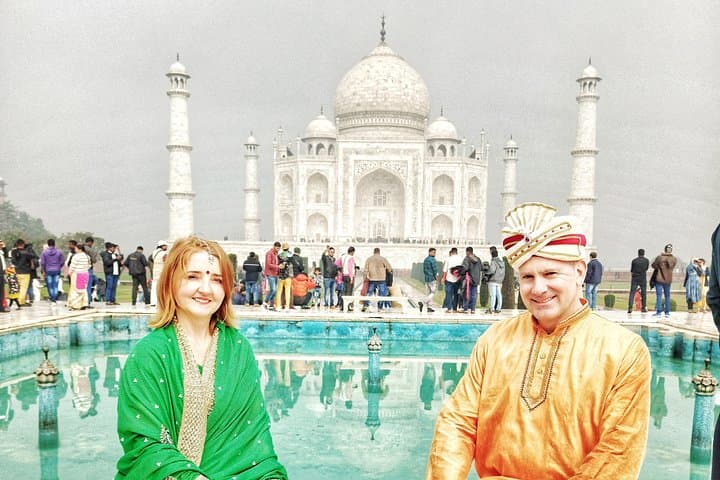
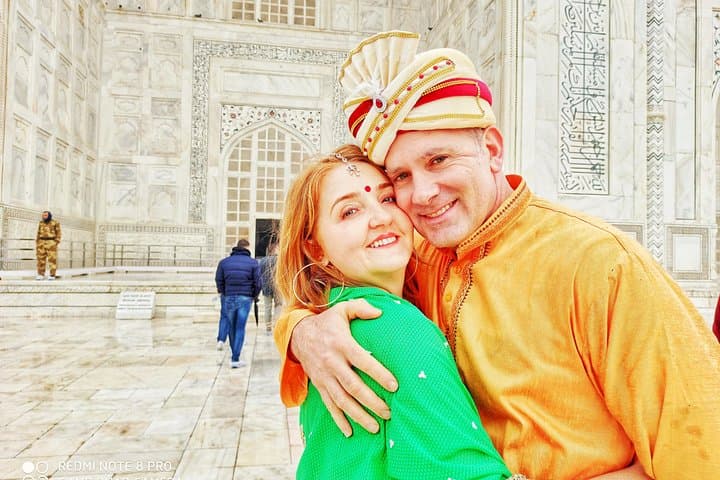
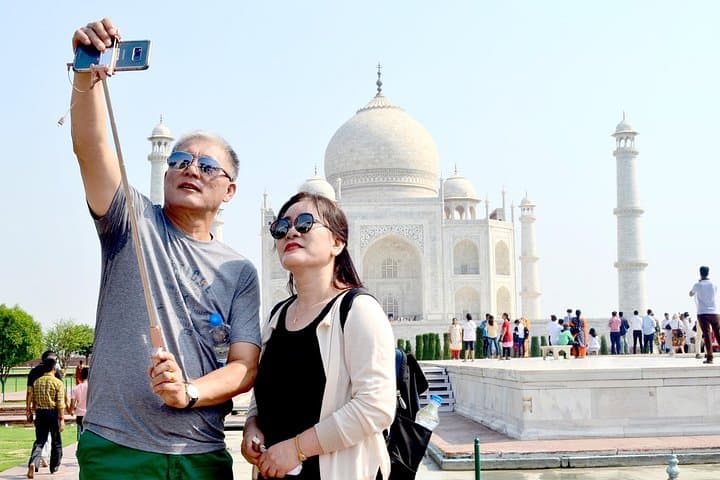
You step into the day before dawn as the highway unspools toward Agra—the city’s low outline softened by the Yamuna’s cool hush. Arrive at the Taj Mahal as light warms the marble; the monument watches like a patient storyteller while the river nudges the city awake. By afternoon the fort’s red-sandstone ramparts offer a different cadence: guns, courts, and Mughal ambition etched into masonry.
You step into the day before dawn as the highway unspools toward Agra—the city’s low outline softened by the Yamuna’s cool hush. Arrive at the Taj Mahal as light warms the marble; the monument watches like a patient storyteller while the river nudges the city awake. By afternoon the fort’s red-sandstone ramparts offer a different cadence: guns, courts, and Mughal ambition etched into masonry.
This two-day loop moves fast through Mughal and Rajput history. The Taj Mahal (17th century) and Agra Fort (Akbar and Shah Jahan periods) reflect imperial engineering and decorative inlay; Amber Fort outside Jaipur shifts the script into Rajput palaces, mirrored halls and hilltop defensive lines. Geologically, the Gangetic plains give way to low Aravalli foothills near Amber, so the terrain shifts from flat river floodplain to terraced stone steps and steep fort approaches.
Culturally, expect markets where craftspeople sell block-printed textiles and gemstone work; street food counters serve spiced chaats and cooling lassis. Local guides animate stories many visitors miss—royal rivalries, waterworks, and the logistics of palace life.
Practical guidance: book Taj Mahal entry in advance for early-morning slots, carry government ID, and wear sturdy shoes for cobbled paths and numerous steps. Plan hydration and sunscreen—the sun can be relentless. If you prefer fewer crowds, ask the operator to adjust timing or request a shorter stop at each bazaar.
This private itinerary compresses major sights into a manageable two days—optimal for travelers who want immersive history without broad logistical planning.