THE ADVENTURE COLLECTIVE® · Independent discovery and booking for outdoor travel

A focused two-day private trek from Marrakech to the summit of Mount Toubkal (4,167 m). This guided route combines cultural stops, an overnight at the mountain refuge, and a challenging summit push with panoramic Atlas views.
A focused two-day private trek from Marrakech to the summit of Mount Toubkal (4,167 m). This guided route combines cultural stops, an overnight at the mountain refuge, and a challenging summit push with panoramic Atlas views.
The morning air in the High Atlas bites with clarity as you leave Marrakech behind and wind up to Imlil; terraces and stone villages slide past the van window, and the mountains seem to rise to meet you. By mid-morning the trail narrows into rocky switchbacks, rivers dare you to linger at stream crossings, and the path climbs through walnut groves toward Sidi Chamharouch — a small, white-painted shrine that marks both a spiritual pause and a last chance for shade.
Verified experiences and guided adventures in the surrounding area.
Operated by Maroc Nomade · Imlil, Marrakech-Safi
The morning air in the High Atlas bites with clarity as you leave Marrakech behind and wind up to Imlil; terraces and stone villages slide past the van window, and the mountains seem to rise to meet you. By mid-morning the trail narrows into rocky switchbacks, rivers dare you to linger at stream crossings, and the path climbs through walnut groves toward Sidi Chamharouch — a small, white-painted shrine that marks both a spiritual pause and a last chance for shade.
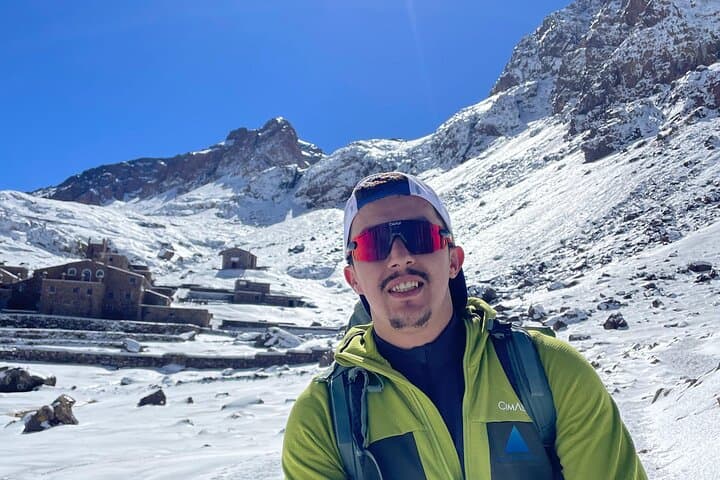
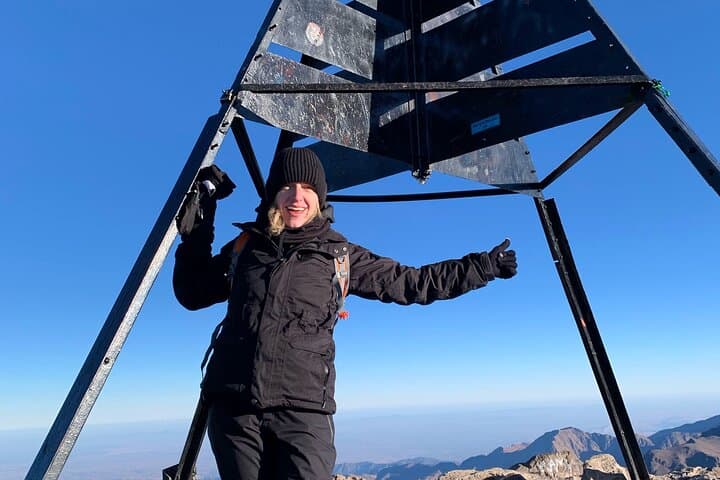
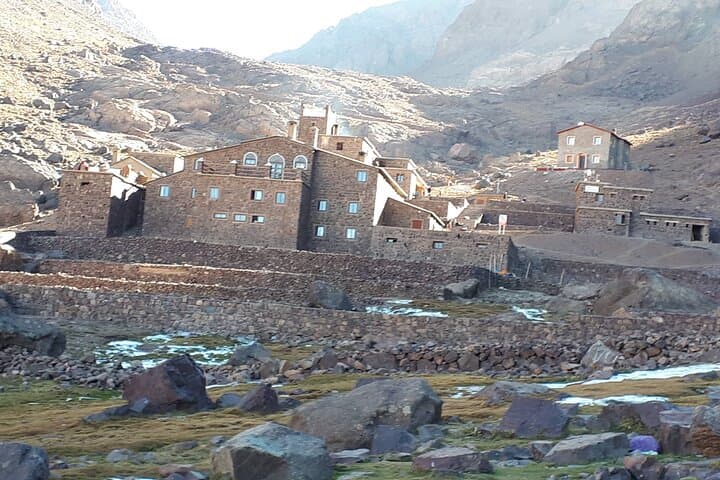
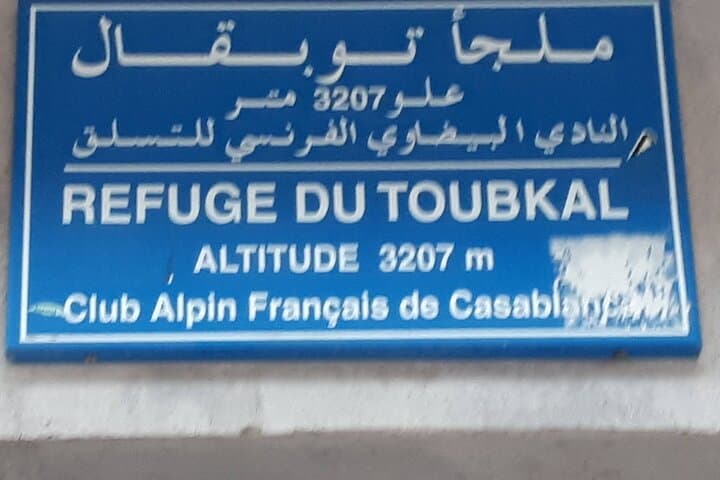
Geology here is raw: folded volcanic and metamorphic rock carved into steep ridges and glacial corries. The local Amazigh culture leaves its mark in stone houses and terraced fields; shepherds and muleteers are part of the route’s rhythm. The Toubkal Refuge (3,207 m) is basic but social — a place to acclimatize and plan the summit push. On day two you’ll gain roughly 960 m from refuge to summit (4,167 m), with total elevation gain from Imlil near 2,400 m over two days.
Expect steep scree, rocky steps, and exposed stretches near the summit; weather can swing from blazing sun to biting wind. Practical guidance: start pre-dawn on summit day, carry layers for rapid temperature change, hydrate steadily to help with altitude, and use trekking poles for loose sections. Footwear with solid ankle support and a snug crampon-compatible fit (winter) will make the climb safer. The route is strenuous but not technical; a guided, private schedule gives time to move at a steady pace and enjoy the views without racing the clock.
challenging.
2 days (approx. 48 hours).
Good cardiovascular fitness and experience with sustained uphill hiking; able to carry a daypack and move steadily at altitude.
The itinerary is physically demanding: expect long uphill hours and ~2,400 m total elevation gain over two days. It’s non-technical but challenging for those without recent mountain experience.
No technical alpine experience is required, but familiarity with long ascents and prior multi-day hikes is strongly recommended to manage altitude and endurance.
Overnight is at the Toubkal Refuge (basic dormitory-style lodging with meals), which offers a communal setting for acclimatization and planning the summit push.
This is a private guided tour with transport from Marrakech included; guides handle navigation, logistics, and local liaison, which is recommended for safety and cultural access.
The High Atlas has long been inhabited by Amazigh (Berber) communities; mule tracks and terraced fields reflect centuries of mountain agriculture and trade routes.
Trails are fragile — stick to established paths, pack out waste, and support local guides to ensure income flows to mountain communities and reduces informal trail widening.
Maroc Nomade operates guided outdoor trips and adventures with an emphasis on safety, stewardship, and memorable experiences.
The morning air in the High Atlas bites with clarity as you leave Marrakech behind and wind up to Imlil; terraces and stone villages slide past the van window, and the mountains seem to rise to meet you. By mid-morning the trail narrows into rocky switchbacks, rivers dare you to linger at stream crossings, and the path climbs through walnut groves toward Sidi Chamharouch — a small, white-painted shrine that marks both a spiritual pause and a last chance for shade.
The morning air in the High Atlas bites with clarity as you leave Marrakech behind and wind up to Imlil; terraces and stone villages slide past the van window, and the mountains seem to rise to meet you. By mid-morning the trail narrows into rocky switchbacks, rivers dare you to linger at stream crossings, and the path climbs through walnut groves toward Sidi Chamharouch — a small, white-painted shrine that marks both a spiritual pause and a last chance for shade.
Geology here is raw: folded volcanic and metamorphic rock carved into steep ridges and glacial corries. The local Amazigh culture leaves its mark in stone houses and terraced fields; shepherds and muleteers are part of the route’s rhythm. The Toubkal Refuge (3,207 m) is basic but social — a place to acclimatize and plan the summit push. On day two you’ll gain roughly 960 m from refuge to summit (4,167 m), with total elevation gain from Imlil near 2,400 m over two days.
Expect steep scree, rocky steps, and exposed stretches near the summit; weather can swing from blazing sun to biting wind. Practical guidance: start pre-dawn on summit day, carry layers for rapid temperature change, hydrate steadily to help with altitude, and use trekking poles for loose sections. Footwear with solid ankle support and a snug crampon-compatible fit (winter) will make the climb safer. The route is strenuous but not technical; a guided, private schedule gives time to move at a steady pace and enjoy the views without racing the clock.