THE ADVENTURE COLLECTIVE® · Independent discovery and booking for outdoor travel

Two days of private trekking through Muong Hoa Valley deliver close-up views of rice terraces, waterfall crossings, and immersive visits to Black H’mong and Dzay villages. A flexible itinerary and hotel overnight make this a practical introduction to Sapa’s highland culture.
Two days of private trekking through Muong Hoa Valley deliver close-up views of rice terraces, waterfall crossings, and immersive visits to Black H’mong and Dzay villages. A flexible itinerary and hotel overnight make this a practical introduction to Sapa’s highland culture.
The trail opens under a cool, thin mist as Sapa’s roofs shrink behind you and terraced fields roll out like green steps toward the valley.
Verified experiences and guided adventures in the surrounding area.
Operated by LOCAL TOURS VIETNAM · Sapa, Lao Cai
The trail opens under a cool, thin mist as Sapa’s roofs shrink behind you and terraced fields roll out like green steps toward the valley.
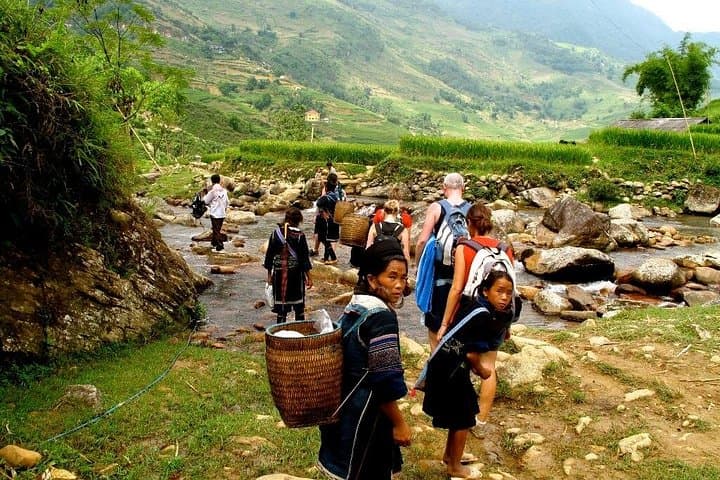
On this private two-day trek, walkers descend through bamboo and corn plots, cross the Muong Hoa stream, and enter the Black H’mong villages of Cat Cat, Y Linh Ho, Lao Chai and Ta Van. Waterfalls cut through limestone and slate; a narrow French-era channel still hums near Cat Cat’s old hydro station. The land here is young mountains heaved up by the same tectonic forces that created the Hoang Lien range, and the trails alternate between rocky switchbacks and packed earth beside rice benches.
Cultural threads show plainly: indigo-dyed garments, hand-stitched brocades, and households arranged around small terraces. Guides explain rice cycles and seasonal migration—what keeps local life moving and what tourism now supports.
Practical guidance: expect 10–12 km of hiking on the second day with steady but manageable climbs and descents; trails can be muddy after rain and stair-like near villages. Pack layered clothing, a rain shell, good traction footwear, and 2 liters of water. Start early to catch clearer air and best views; mid-day light can flatten the terraces. Because this is a private tour, pace and stops are flexible—use that to ask your guide about family-run farms, weaving demonstrations, or short detours to viewpoints. Respect local customs, keep noise low on village approaches, and carry out any litter. The reward is simple: terraced horizons, living culture, and a trek that feels remote while returning you each night to a warm hotel in Sapa town.
moderate.
2 days.
Moderate fitness; comfortable walking 4–6 hours with short steep sections and uneven footing
Day two covers about 10–12 km over 4–5 hours with steady ascents and descents; paths are well-trodden but uneven—moderate fitness is recommended.
Yes—breakfast, lunches and dinner as per itinerary are included, and one private hotel room in Sapa town is provided overnight.
Yes—the tour is private and guides will adjust pace and rest stops; shorter treks or more frequent breaks can be arranged.
Sapa sits around 1,500 m elevation; most travelers acclimate easily, but take it easy the first day if you feel short of breath.
Cat Cat’s hydro station and milling terraces date to French colonial engineering and early 20th-century village infrastructure; the Hoang Lien massif has long shaped human settlement patterns.
Terraced fields are sensitive to erosion—stick to marked paths, avoid trampling young rice, and opt for locally run services to support sustainable tourism.
LOCAL TOURS VIETNAM operates guided outdoor trips and adventures with an emphasis on safety, stewardship, and memorable experiences.
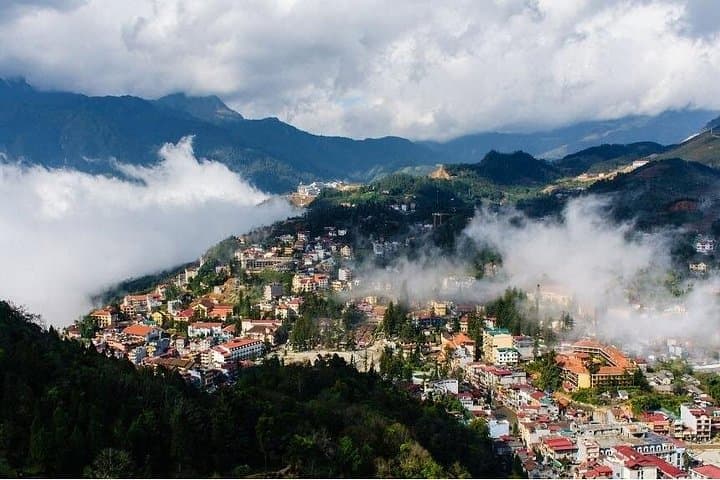
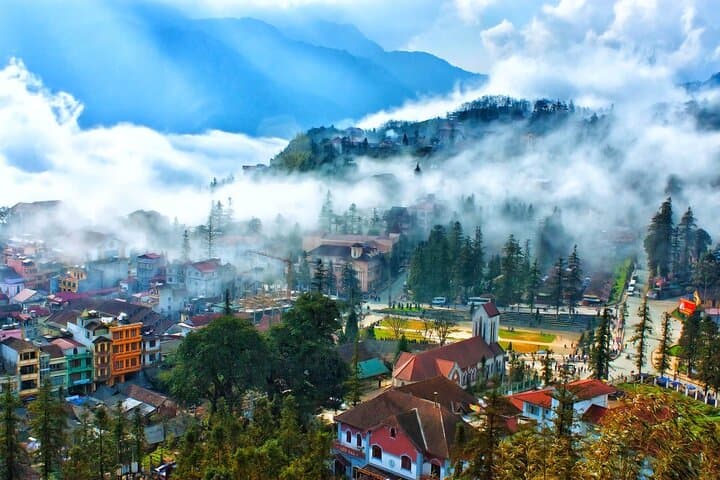
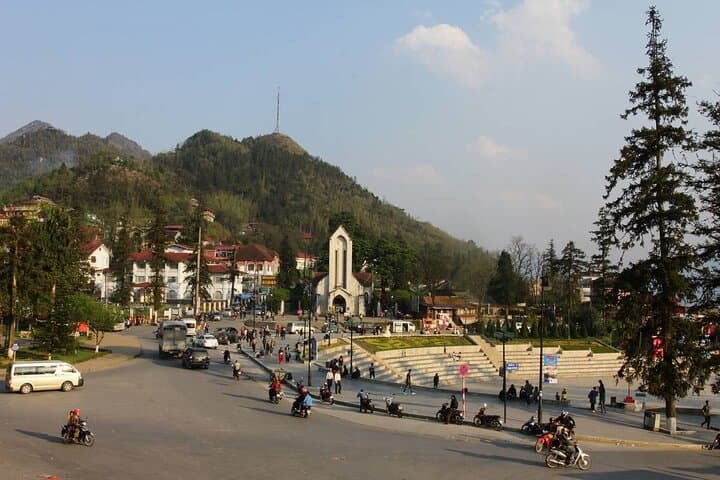
The trail opens under a cool, thin mist as Sapa’s roofs shrink behind you and terraced fields roll out like green steps toward the valley.
The trail opens under a cool, thin mist as Sapa’s roofs shrink behind you and terraced fields roll out like green steps toward the valley.
On this private two-day trek, walkers descend through bamboo and corn plots, cross the Muong Hoa stream, and enter the Black H’mong villages of Cat Cat, Y Linh Ho, Lao Chai and Ta Van. Waterfalls cut through limestone and slate; a narrow French-era channel still hums near Cat Cat’s old hydro station. The land here is young mountains heaved up by the same tectonic forces that created the Hoang Lien range, and the trails alternate between rocky switchbacks and packed earth beside rice benches.
Cultural threads show plainly: indigo-dyed garments, hand-stitched brocades, and households arranged around small terraces. Guides explain rice cycles and seasonal migration—what keeps local life moving and what tourism now supports.
Practical guidance: expect 10–12 km of hiking on the second day with steady but manageable climbs and descents; trails can be muddy after rain and stair-like near villages. Pack layered clothing, a rain shell, good traction footwear, and 2 liters of water. Start early to catch clearer air and best views; mid-day light can flatten the terraces. Because this is a private tour, pace and stops are flexible—use that to ask your guide about family-run farms, weaving demonstrations, or short detours to viewpoints. Respect local customs, keep noise low on village approaches, and carry out any litter. The reward is simple: terraced horizons, living culture, and a trek that feels remote while returning you each night to a warm hotel in Sapa town.