THE ADVENTURE COLLECTIVE® · Independent discovery and booking for outdoor travel

Two days move you from highland markets and Inca terraces to the high citadel of Machu Picchu. This private journey blends archaeology, Quechua culture and scenic rail travel with hands-on guiding and practical logistics handled for you.
Two days move you from highland markets and Inca terraces to the high citadel of Machu Picchu. This private journey blends archaeology, Quechua culture and scenic rail travel with hands-on guiding and practical logistics handled for you.
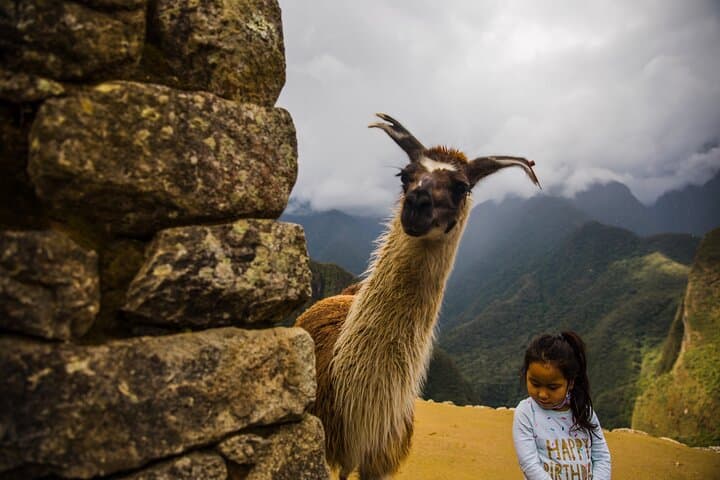
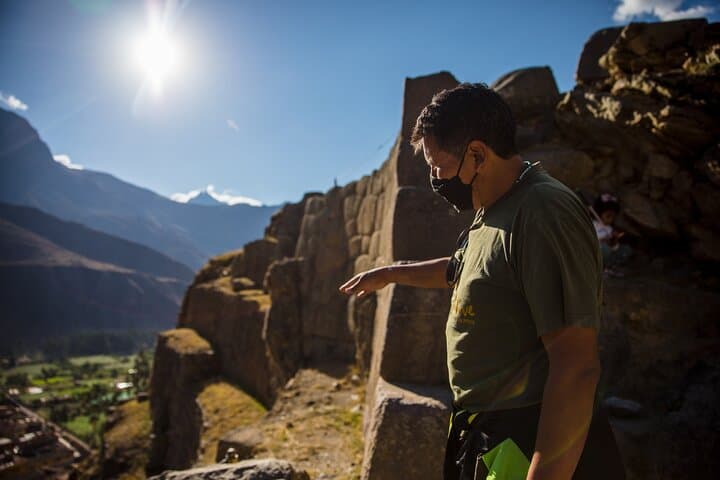
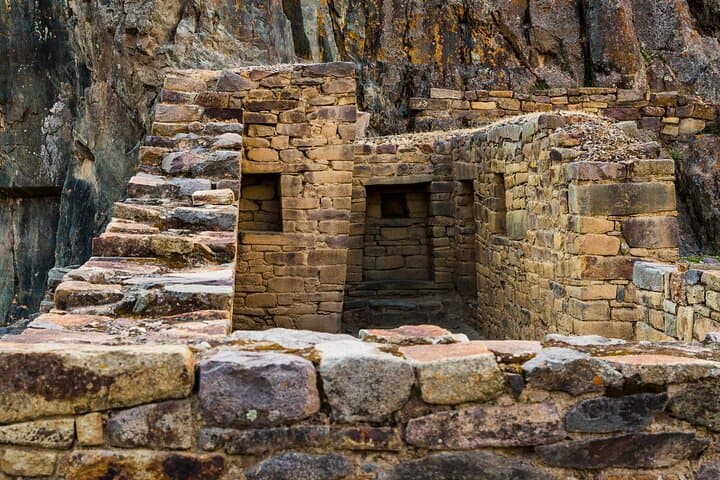
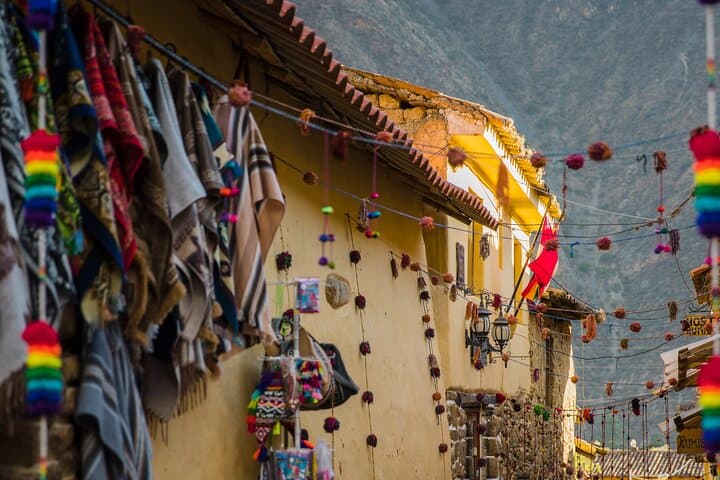
The day begins in Cusco as the valley exhales morning mist and the road drops into terraces that seem to have grown directly from the rock. On day one you walk Pisac’s stone stairways and browse its market before moving to Urubamba for lunch and the fortress at Ollantaytambo, where massive, bevelled stones climb the mountain like a carved ladder. Day two opens with a scenic train to Aguas Calientes and a short bus climb to Machu Picchu, where plazas, temples and terraces sit framed by cloud forest and the raw spine of the Andes.
Verified experiences and guided adventures in the surrounding area.
Operated by Cusco Native Tours · Cusco, Cusco
The day begins in Cusco as the valley exhales morning mist and the road drops into terraces that seem to have grown directly from the rock. On day one you walk Pisac’s stone stairways and browse its market before moving to Urubamba for lunch and the fortress at Ollantaytambo, where massive, bevelled stones climb the mountain like a carved ladder. Day two opens with a scenic train to Aguas Calientes and a short bus climb to Machu Picchu, where plazas, temples and terraces sit framed by cloud forest and the raw spine of the Andes.
Geology here is visible in every broken ridge: uplifted granite and volcanic sediments shaped by Andean orogeny and eroded into the steep, fertile valley the Incas terraced for high-elevation agriculture. Culturally the Sacred Valley remained a food and ceremonial heartland through pre-Inca and Inca eras; Quechua markets and weaving traditions persist in town squares. Your bilingual guide will point out Inca masonry, water channels and the strategic siting of citadels.
Practical guidance: the tour is private and covers long days of walking on uneven, sometimes steep stone steps—comfortable, broken-in footwear and layered clothing are essential. Altitude varies from Cusco (~3,400 m) down to Aguas Calientes (~2,040 m) and Machu Picchu (~2,430 m), so pace yourself, hydrate, and avoid heavy exertion the first day. Train and entrance tickets sell out—book in advance and carry passport info for permits. Plan time in Aguas Calientes for a hot-springs soak and for local crafts; expect early mornings, variable weather and unforgettable highland light.
moderate.
2 days (full days of sightseeing).
Suitable for travelers with basic fitness who can handle multiple hours of walking and stair climbing at altitude
Yes—passport details are required for train and Machu Picchu ticketing; carry the passport on travel days for ID verification.
Expect several hours of walking each day with steep stone staircases at archaeological sites; the tour is paced but not strenuous for people with basic fitness.
Yes—round-trip train to Aguas Calientes and transfers specified in the itinerary are included in the tour package.
Yes—there is time in Aguas Calientes to visit the town’s thermal pools, but entrance and transport there are typically not included in the tour price.
The Sacred Valley served as an agricultural and ceremonial core for the Inca, with Ollantaytambo functioning as a strategic fortress and storehouse during Inca resistance to Spanish conquest.
Visitor numbers at Machu Picchu are regulated—stick to marked paths, avoid feeding wildlife, and support local craft economies to reduce pressure on fragile mountain ecosystems.
Cusco Native Tours operates guided outdoor trips and adventures with an emphasis on safety, stewardship, and memorable experiences.
The day begins in Cusco as the valley exhales morning mist and the road drops into terraces that seem to have grown directly from the rock. On day one you walk Pisac’s stone stairways and browse its market before moving to Urubamba for lunch and the fortress at Ollantaytambo, where massive, bevelled stones climb the mountain like a carved ladder. Day two opens with a scenic train to Aguas Calientes and a short bus climb to Machu Picchu, where plazas, temples and terraces sit framed by cloud forest and the raw spine of the Andes.
The day begins in Cusco as the valley exhales morning mist and the road drops into terraces that seem to have grown directly from the rock. On day one you walk Pisac’s stone stairways and browse its market before moving to Urubamba for lunch and the fortress at Ollantaytambo, where massive, bevelled stones climb the mountain like a carved ladder. Day two opens with a scenic train to Aguas Calientes and a short bus climb to Machu Picchu, where plazas, temples and terraces sit framed by cloud forest and the raw spine of the Andes.
Geology here is visible in every broken ridge: uplifted granite and volcanic sediments shaped by Andean orogeny and eroded into the steep, fertile valley the Incas terraced for high-elevation agriculture. Culturally the Sacred Valley remained a food and ceremonial heartland through pre-Inca and Inca eras; Quechua markets and weaving traditions persist in town squares. Your bilingual guide will point out Inca masonry, water channels and the strategic siting of citadels.
Practical guidance: the tour is private and covers long days of walking on uneven, sometimes steep stone steps—comfortable, broken-in footwear and layered clothing are essential. Altitude varies from Cusco (~3,400 m) down to Aguas Calientes (~2,040 m) and Machu Picchu (~2,430 m), so pace yourself, hydrate, and avoid heavy exertion the first day. Train and entrance tickets sell out—book in advance and carry passport info for permits. Plan time in Aguas Calientes for a hot-springs soak and for local crafts; expect early mornings, variable weather and unforgettable highland light.